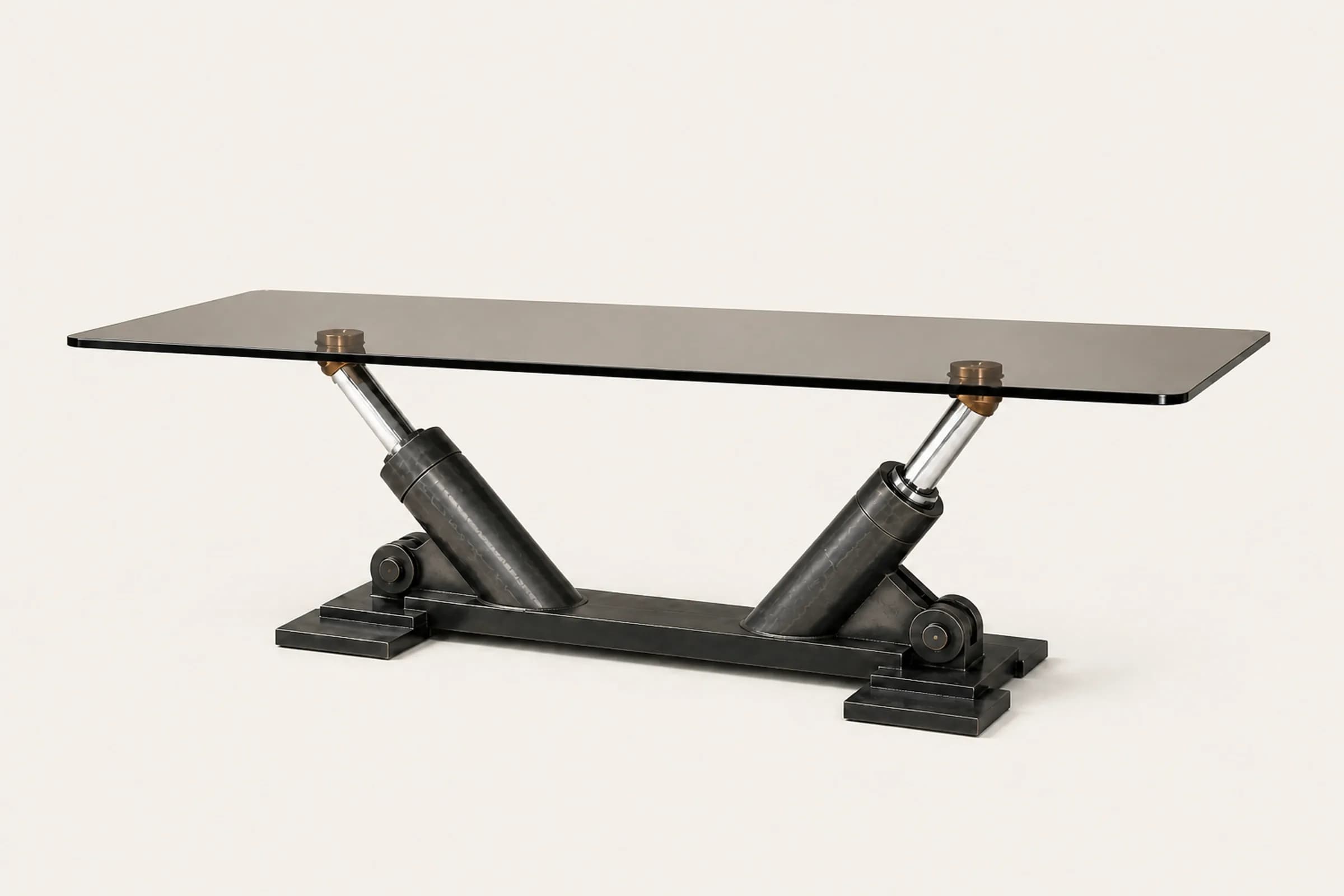
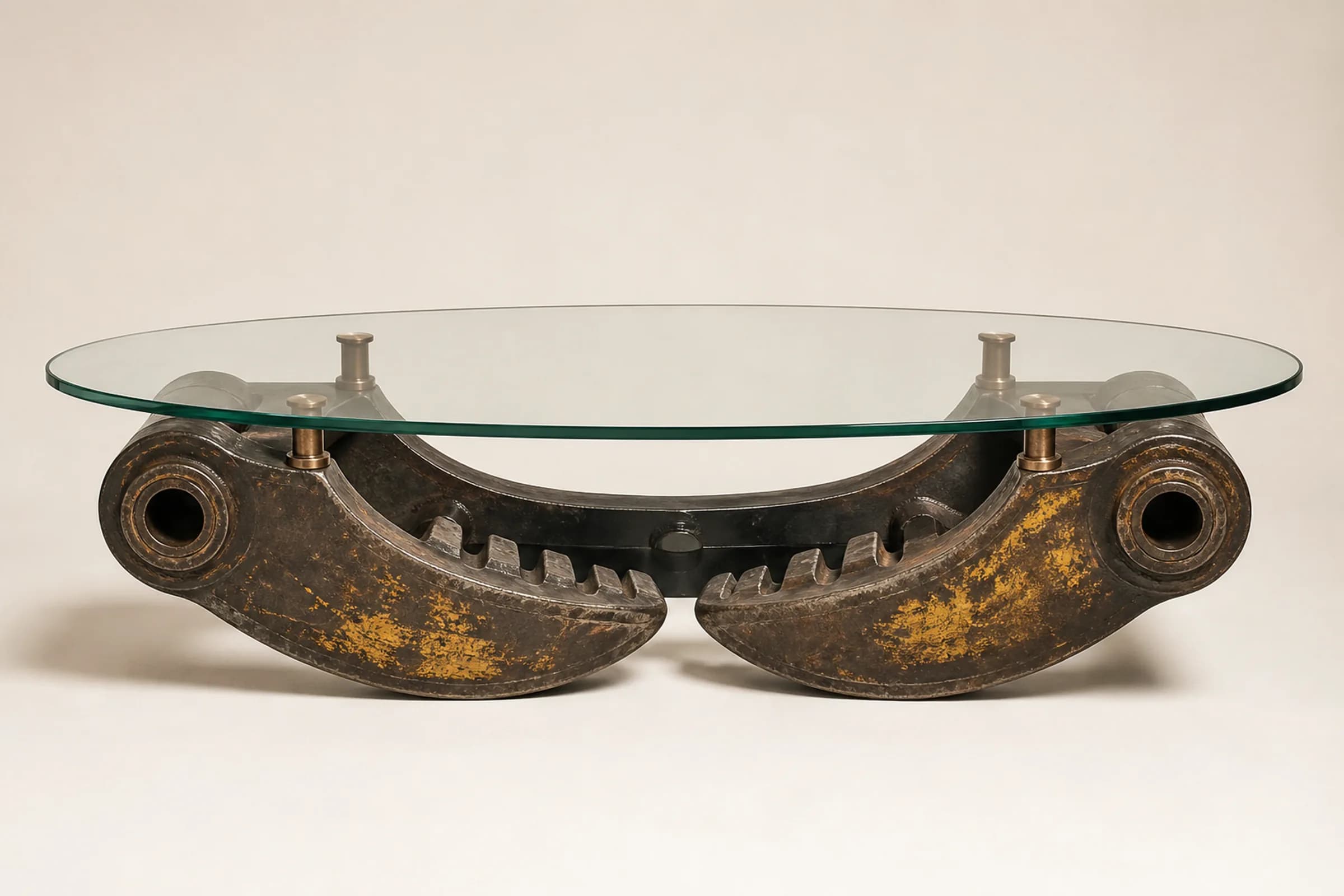
LEXICONMaterials and finishes
Blackening
Also called: Black oxide, cold blackening, gun bluing
A conversion treatment that chemically turns the steel surface itself into black iron oxide, producing an extremely thin, even, dark finish that adds no measurable thickness and almost no corrosion protection on its own.
What it is
Unlike paint or powder, blackening does not add a layer — it converts the outermost microns of the steel to magnetite. Hot processes use an alkaline nitrate bath near 140 °C; cold processes use selenium-based solutions at room temperature and are what most workshops use. Because nothing builds up, threads, tolerances and machined fits are unaffected, which is why the treatment is standard on tooling and fasteners.
Its limits, stated plainly
On its own, black oxide offers almost no corrosion resistance; it must be oiled, waxed or lacquered to be stable, and unsealed blackening will rust in a humid room. It also cannot hide preparation work: welded areas, ground patches and differing steel grades take the conversion at different rates and stay visible. It is the right choice where an even dark surface is wanted and the original patina was already lost — and the wrong one as a way of covering repairs.