Living with sealed steel: cleaning, marks and what never to use
A sealed patina is durable, not delicate — but it fails in one specific way. Three habits keep an object looking exactly as delivered for decades.
01What the sealant is doing
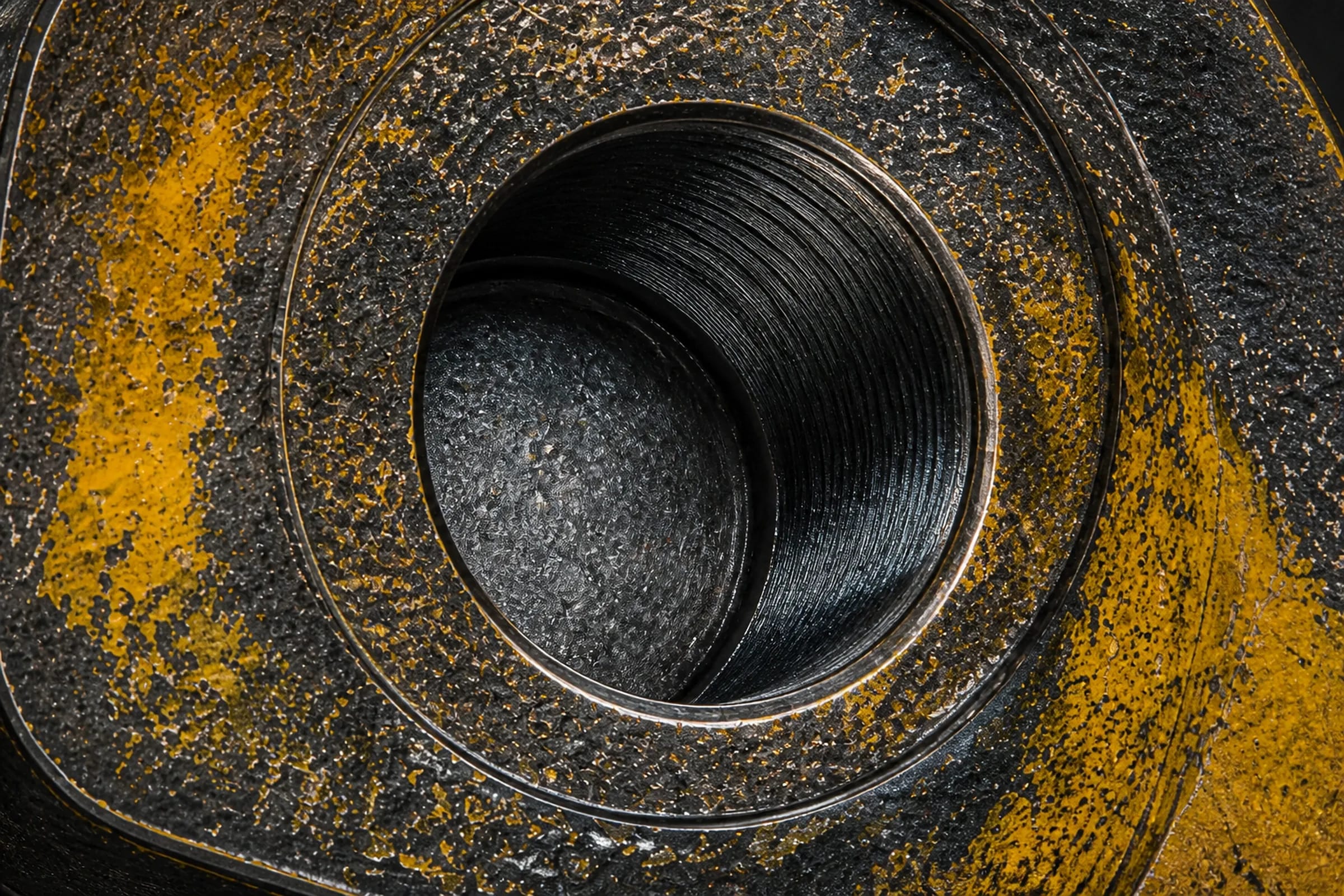
The steel arrives with a surface that took years to acquire, and the process stabilises it rather than replacing it: loose corrosion is removed, the sound material beneath is kept, and a clear sealant locks the result. That film is what stops atmospheric moisture reaching the patina and restarting the process. It is thin, hard and chemically resistant to ordinary domestic contact — and it is the only layer that can be damaged by ordinary domestic mistakes.
02Everyday cleaning
A soft cloth, damp with water, then dried. That is the entire routine, and it is enough for dust, fingerprints and the ring from a glass. For anything greasier, add a drop of pH-neutral soap and rinse the cloth rather than the object. Dry afterwards — not because water damages the sealant, but because standing water at a joint between steel and fixing is the one place where moisture can sit long enough to matter.
The sealant is the thing you are looking after. The steel underneath can take care of itself.
03What never to use
No abrasives of any kind: no scouring pads, no cream cleaners, no polishing compounds. They cut the sealant before you can see any effect, and where the sealant is cut the patina restarts. No ammonia-based glass cleaner near the steel — spray the cloth, not the object, when cleaning the top. No solvents, no acids, no rust removers; they are designed to attack exactly the surface you are keeping. And no wax or oil, which build a sticky film that traps dust and has to be removed later.
04Marks, and which ones matter
Fingerprints, water spots and dust are surface events on the sealant and wipe away. A scratch that reaches bare metal is different, and shows as a bright line rather than a dull one. Left alone in a dry interior it will oxidise slowly and darken into the surrounding patina, which many owners prefer. If you would rather it were arrested, tell us; a local re-seal is a small job and does not involve refinishing the object.
05Long-term conditions
Sealed steel is an interior material. Stable humidity and no standing water is the whole requirement. Avoid conservatories, unheated garden rooms and any position where condensation forms on cold mornings, because condensation collects at fixings. Under normal interior conditions the sealant does not need renewing on any schedule — it is inspected, not maintained, and after a decade the honest answer for most objects is that nothing needs doing.
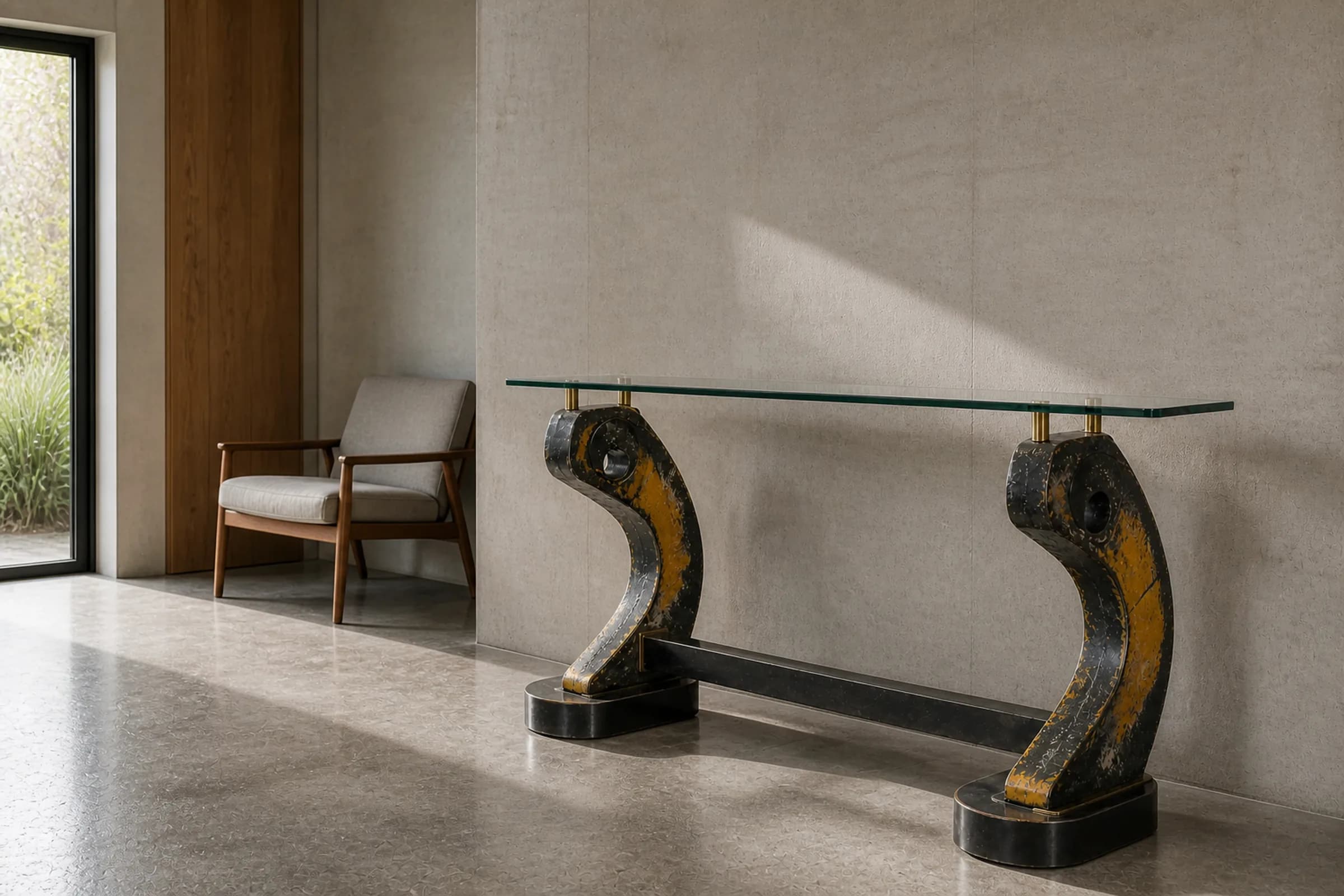
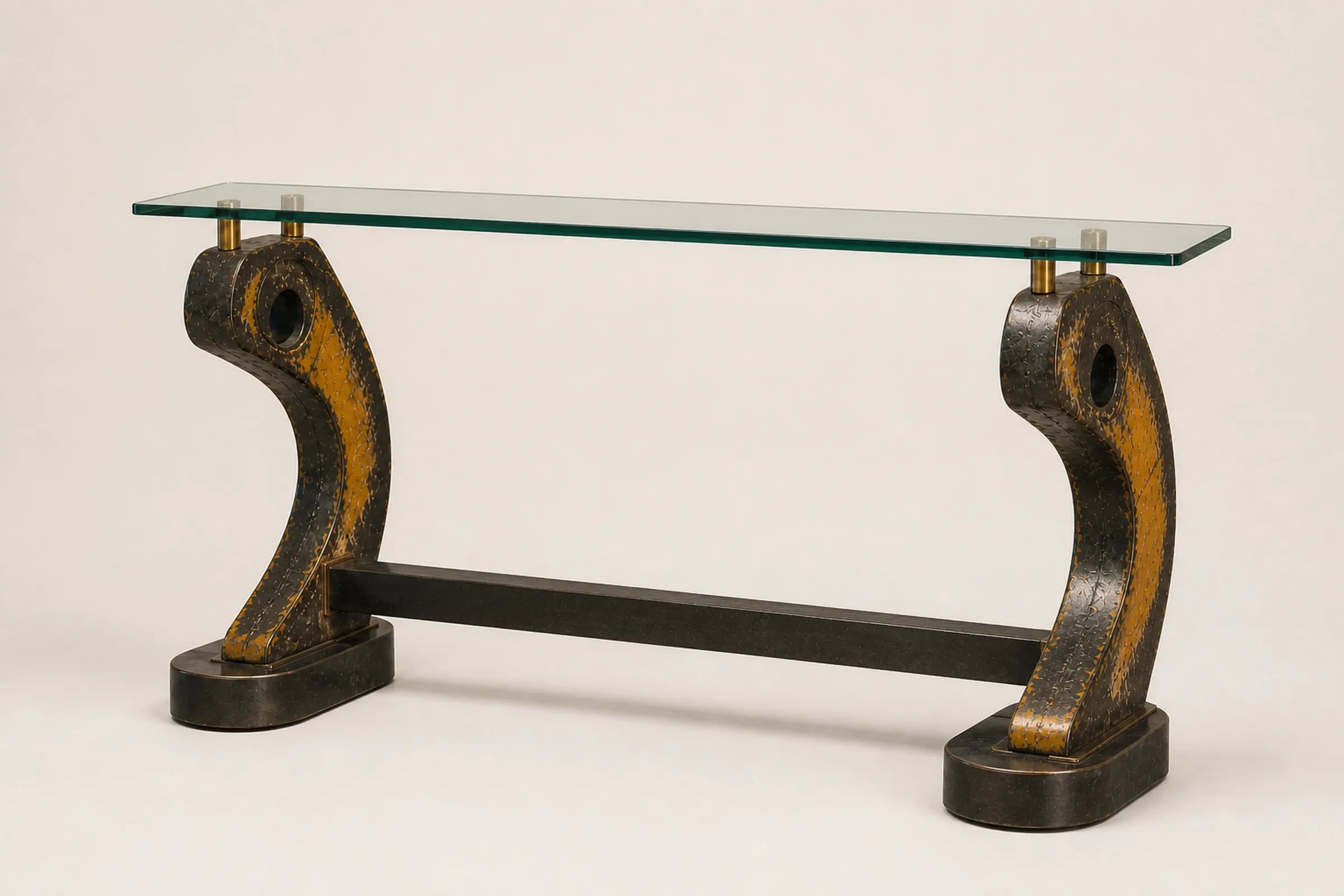
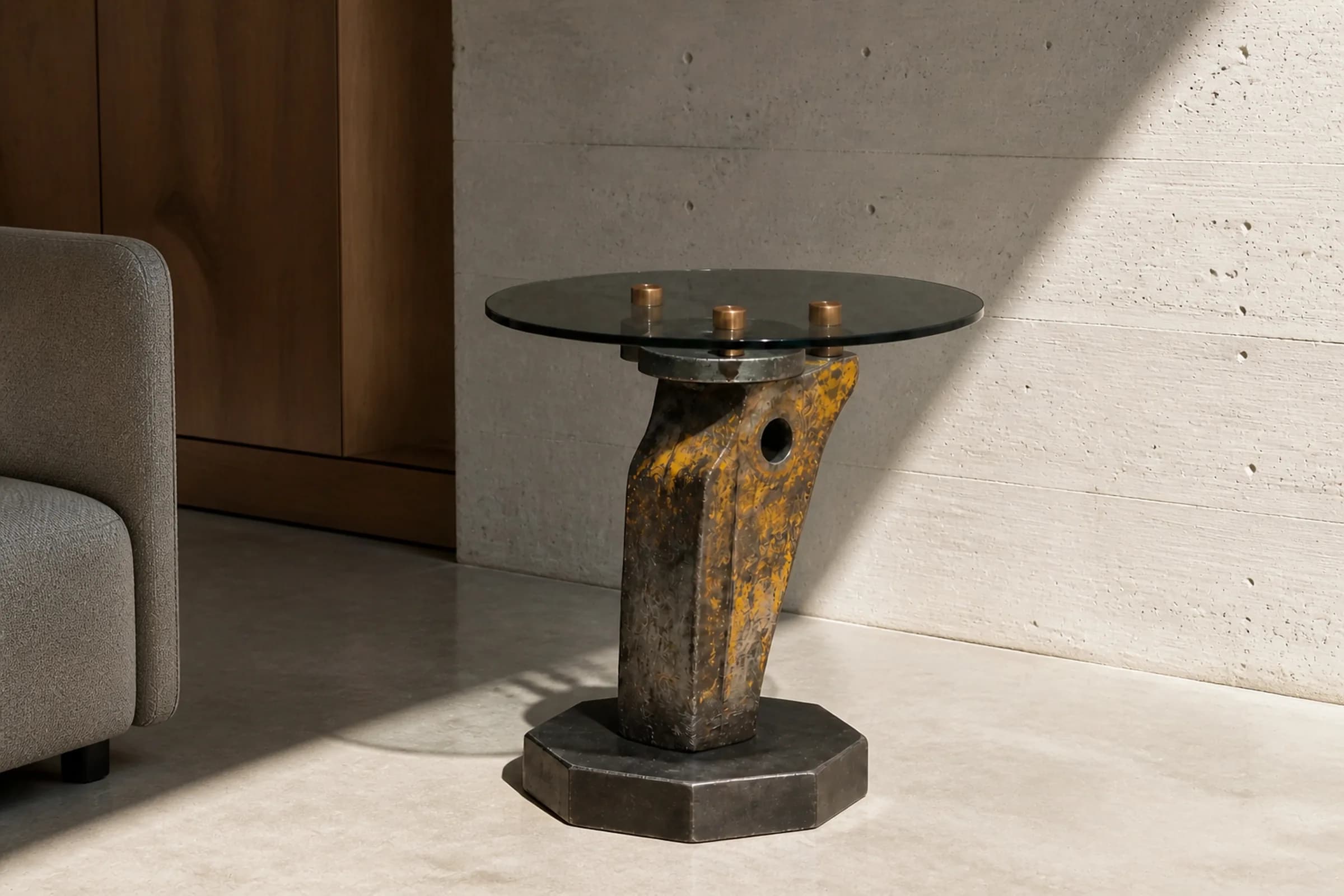
Objects in this note
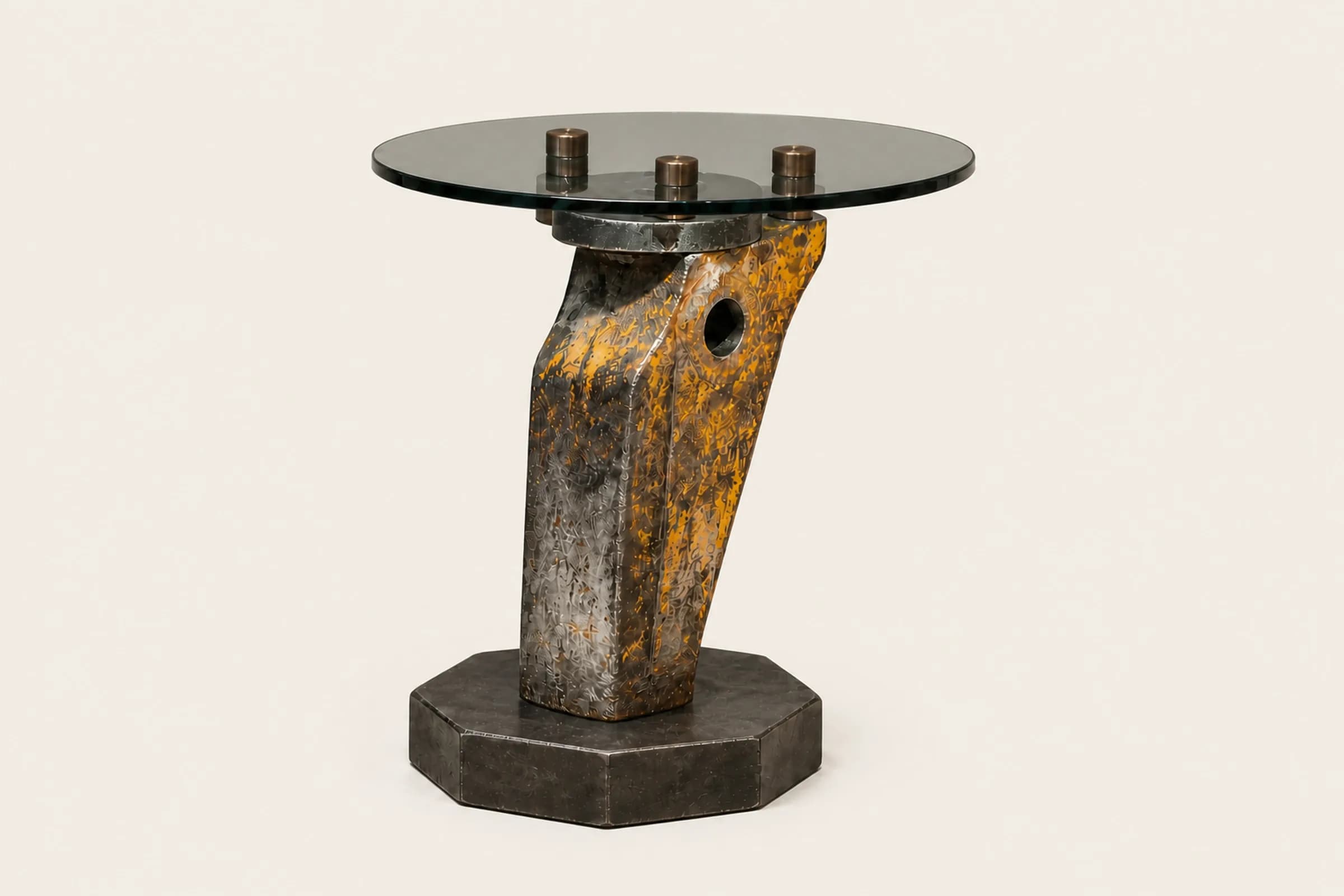
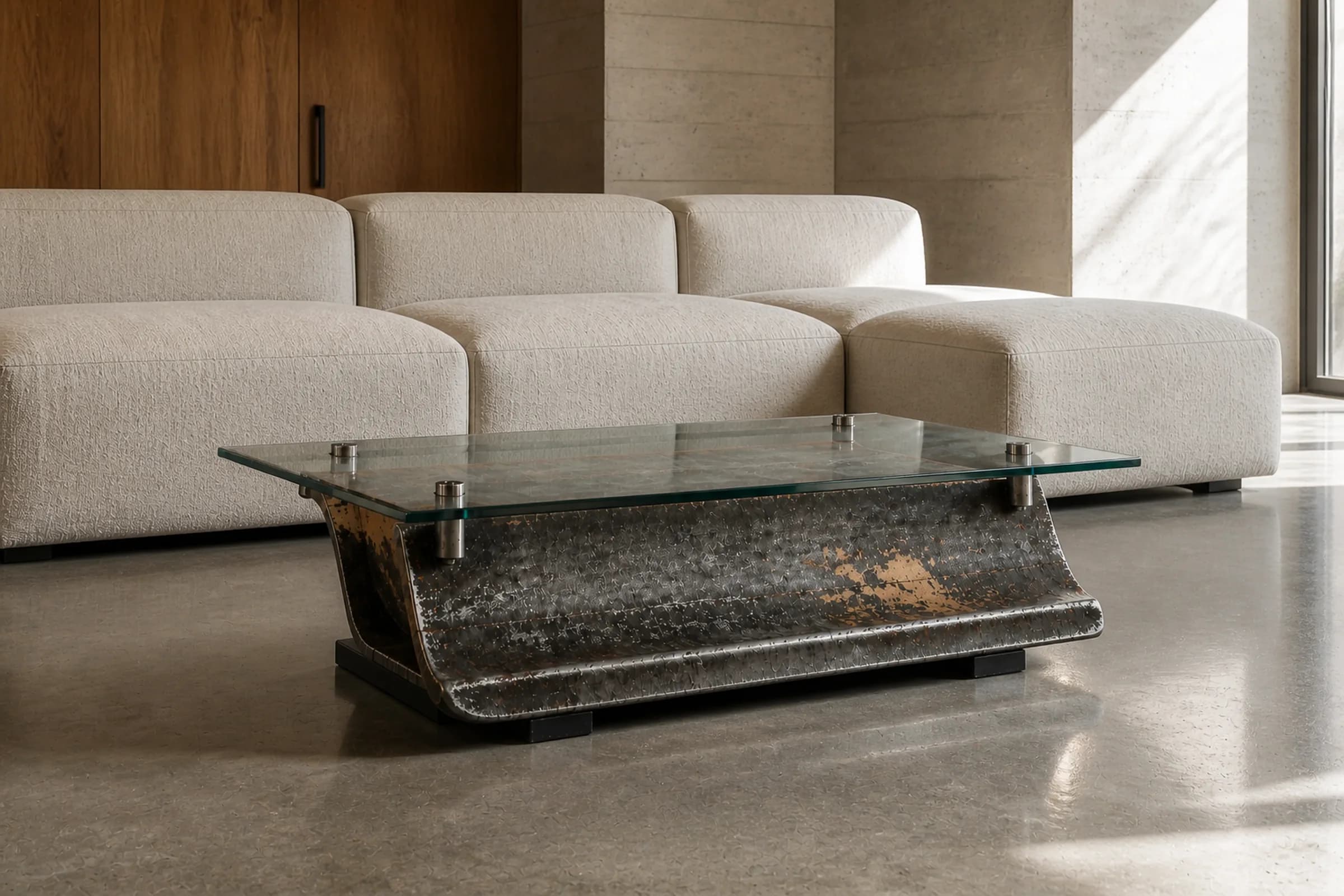
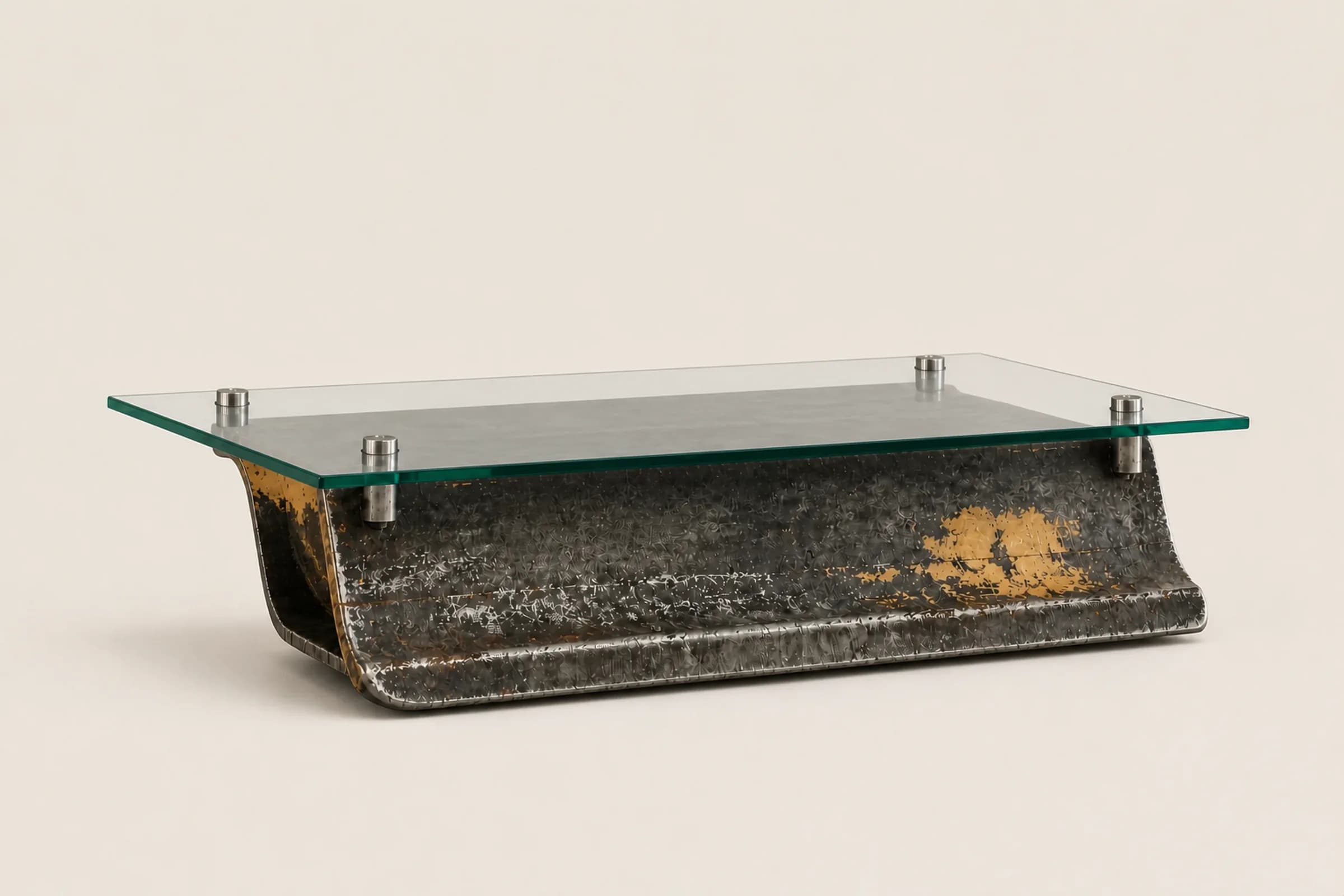
Considering a commission?
Tell us about the space and the location. We answer with availability, customisation scope and a transport estimate.