LEXICONMaterials and finishes
Toughened glass
Also called: Tempered glass, safety glass, ESG
Glass heat-treated so its surfaces are held in compression and its core in tension, giving roughly four to five times the bending strength of ordinary float glass and a break pattern of small blunt fragments.
How it works
The pane is heated to about 620 °C and then cooled rapidly with air jets. The surfaces solidify first; as the interior cools and contracts against already-rigid surfaces, the surfaces end in compression and the core in tension. Because glass fails from surface flaws in tension, that stored compression must be overcome before a crack can start. It also cannot be cut or drilled after treatment — every hole and edge must be finished before toughening.
Why the edge decides everything
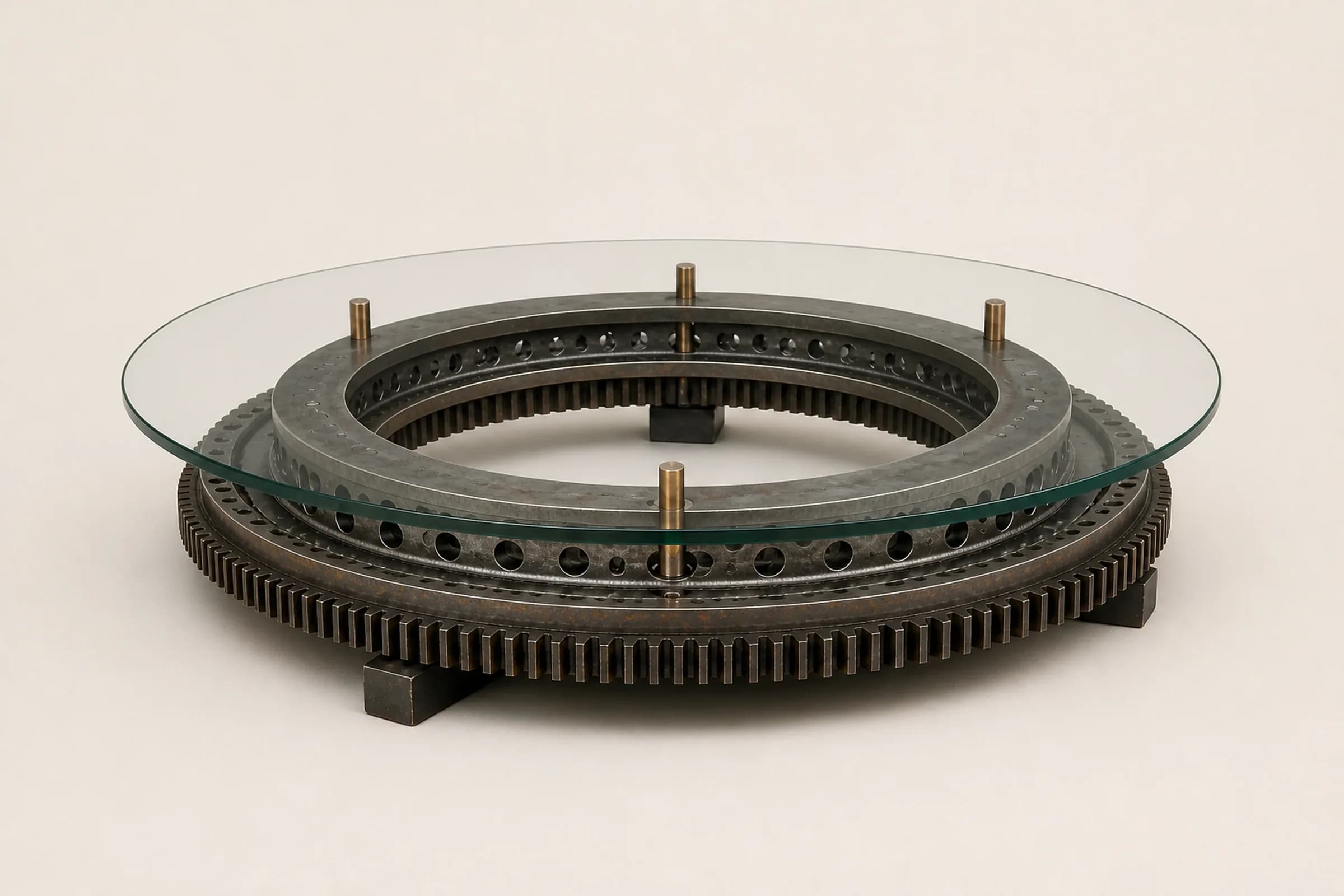
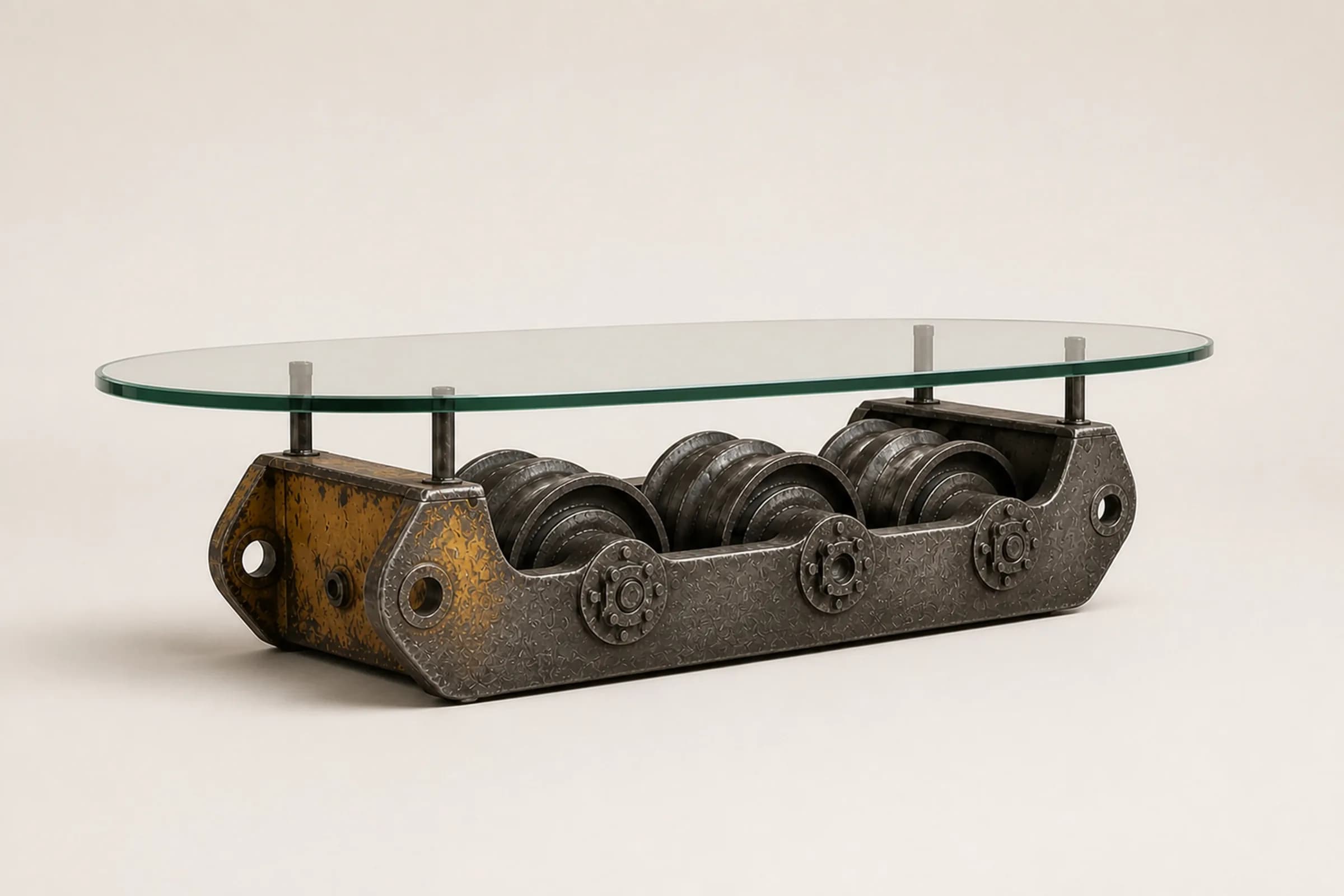
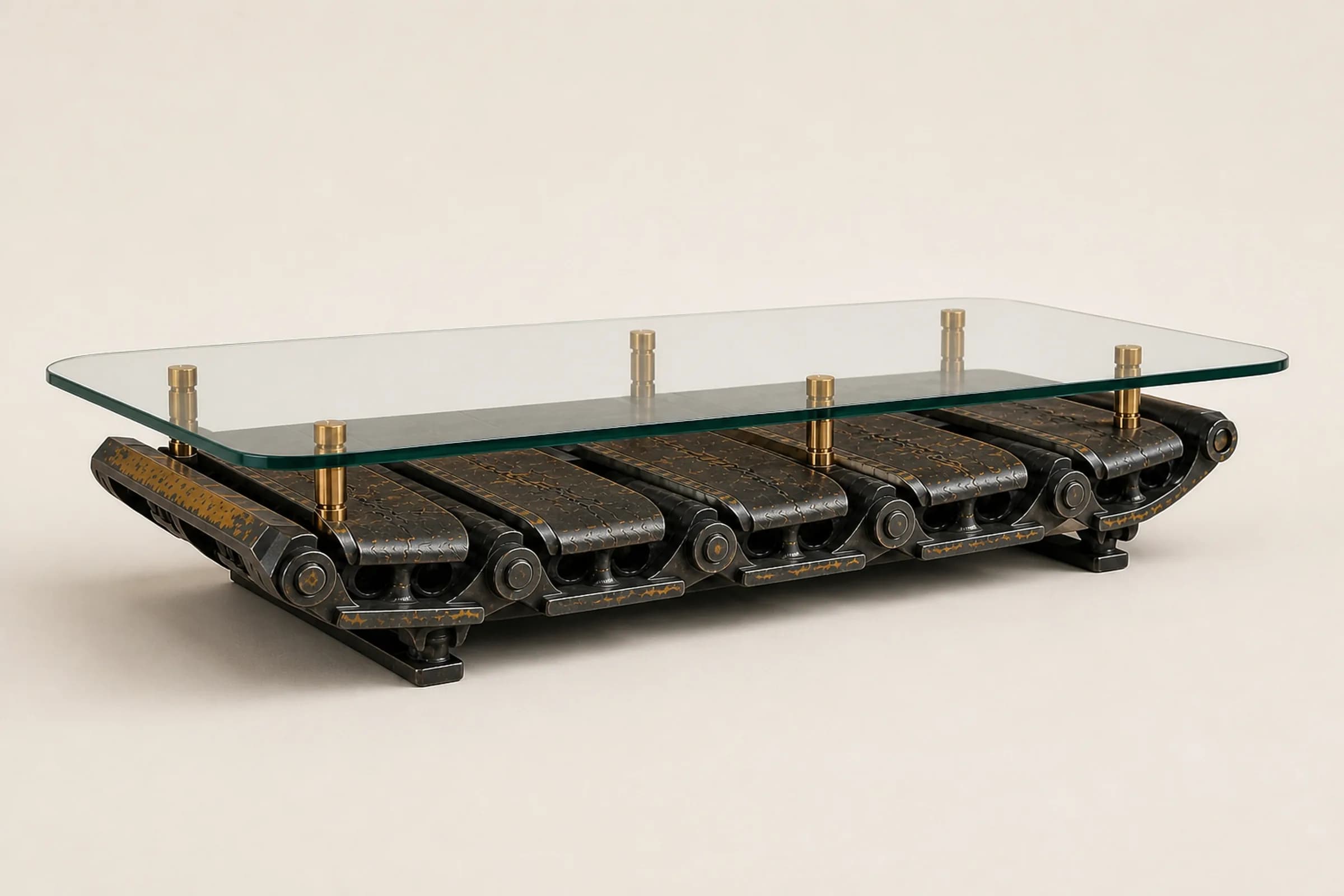
The same stored energy that makes toughened glass strong makes its edges vulnerable: a chip that reaches through the compressive layer releases the tension in the core, which is the mechanism behind panes that appear to shatter spontaneously. Specify polished and arrised edges, never let a hard object bear directly on the edge, and treat a visible chip as a reason to replace rather than a cosmetic complaint. Glass must also never rest directly on steel — setting blocks of EPDM, neoprene or silicone go at every bearing point.