What is collectible design, and how is it different from expensive furniture
Collectible design is furniture bought the way art is bought: in editions, through galleries, with documentation, and on the assumption that the object matters beyond its function.

01A definition that holds up
Collectible design — also called design art or functional art — describes furniture and objects produced in very limited numbers or as unique pieces, sold through galleries and design fairs rather than retailers, and traded afterwards on a secondary market that tracks maker and provenance. The category consolidated in the early 2000s around fairs such as Design Miami, founded in 2005, and PAD in London and Paris, and it now has established auction categories. The distinguishing features are edition size, documentation and distribution channel — not price, which is a consequence rather than a definition.
02Four tests that separate it from high-end furniture
First, edition: a limited run with a stated number, or a genuine one-off, rather than continuous production. Second, attribution: a named designer or studio, consistently applied. Third, documentation: a certificate identifying the piece, its materials, its date and its position in the edition. Fourth, market: sold through a gallery or fair, and resold with reference to who made it. Expensive furniture from a large brand can be beautifully made and still fail all four, because it is produced continuously and traded as a used good rather than as a work.
Design art is not defined by price. It is defined by edition size, documentation and where it is sold.
03Why materials with a history keep appearing in the category
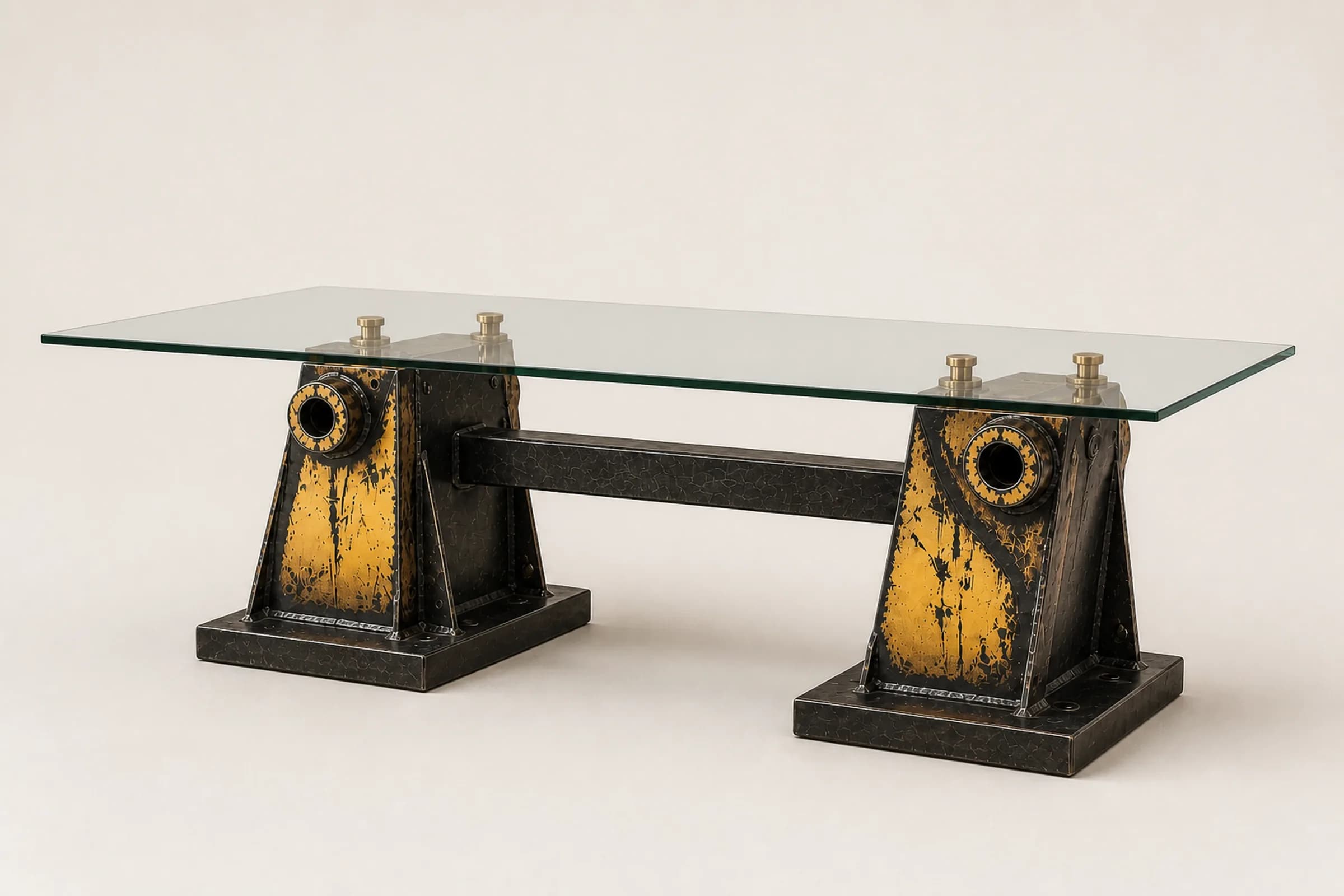
A recurring strand within collectible design uses materials that carry evidence of a previous life — salvaged industrial components, architectural fragments, reclaimed timber, decommissioned machinery. The appeal is straightforward: such material supplies a narrative the maker did not have to invent, and it enforces uniqueness at the level of the raw material rather than through an artificial edition limit. When two objects cannot be identical because the donor parts were not identical, the scarcity is structural rather than declared.
04Buying: the questions that actually matter
Ask what the edition is and whether the number is fixed and recorded. Ask what documentation comes with the piece and whether it identifies this specific object. Ask what the material was before, and expect a specific answer. Ask what happens if it is damaged — whether the maker can repair it and whether the repair is documented. And ask about practicalities that dealers sometimes skate over: mass, contact area, access route, and whether the object can be moved after installation. A gallery that answers all six well is telling you as much about its standards as about the object.
05An honest note on value
The secondary market for collectible design is real but narrow, concentrated on established names, and considerably less liquid than the market for art. Work by unknown makers rarely appreciates, and the pieces that do are usually the ones that were significant when new rather than merely expensive. Buying on the expectation of financial return is the wrong reason to buy in this category. Buying because the object is genuinely singular, documented and something you want to live with is the right one, and it is the only assumption we would encourage anyone to make about ours.
Objects in this note

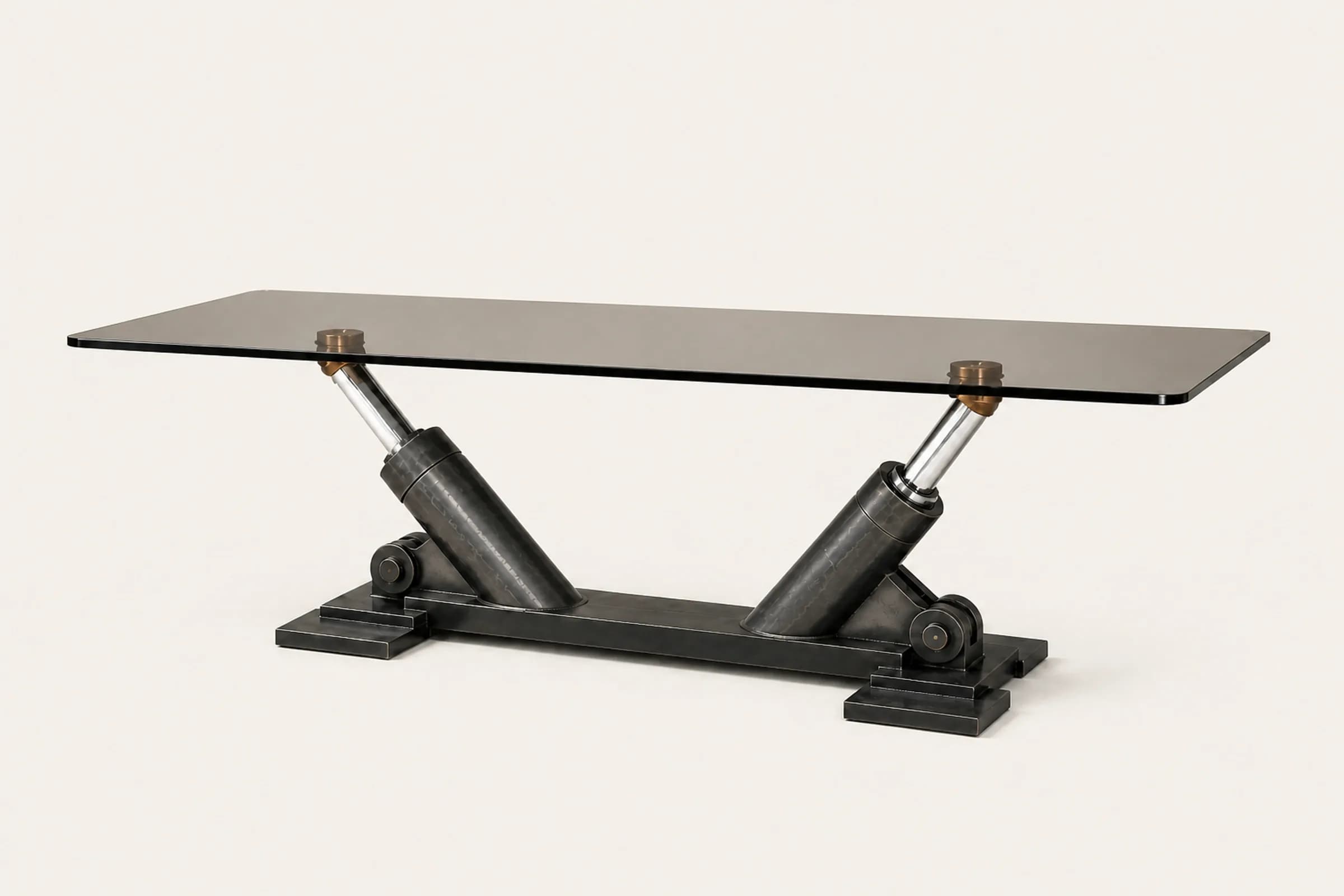
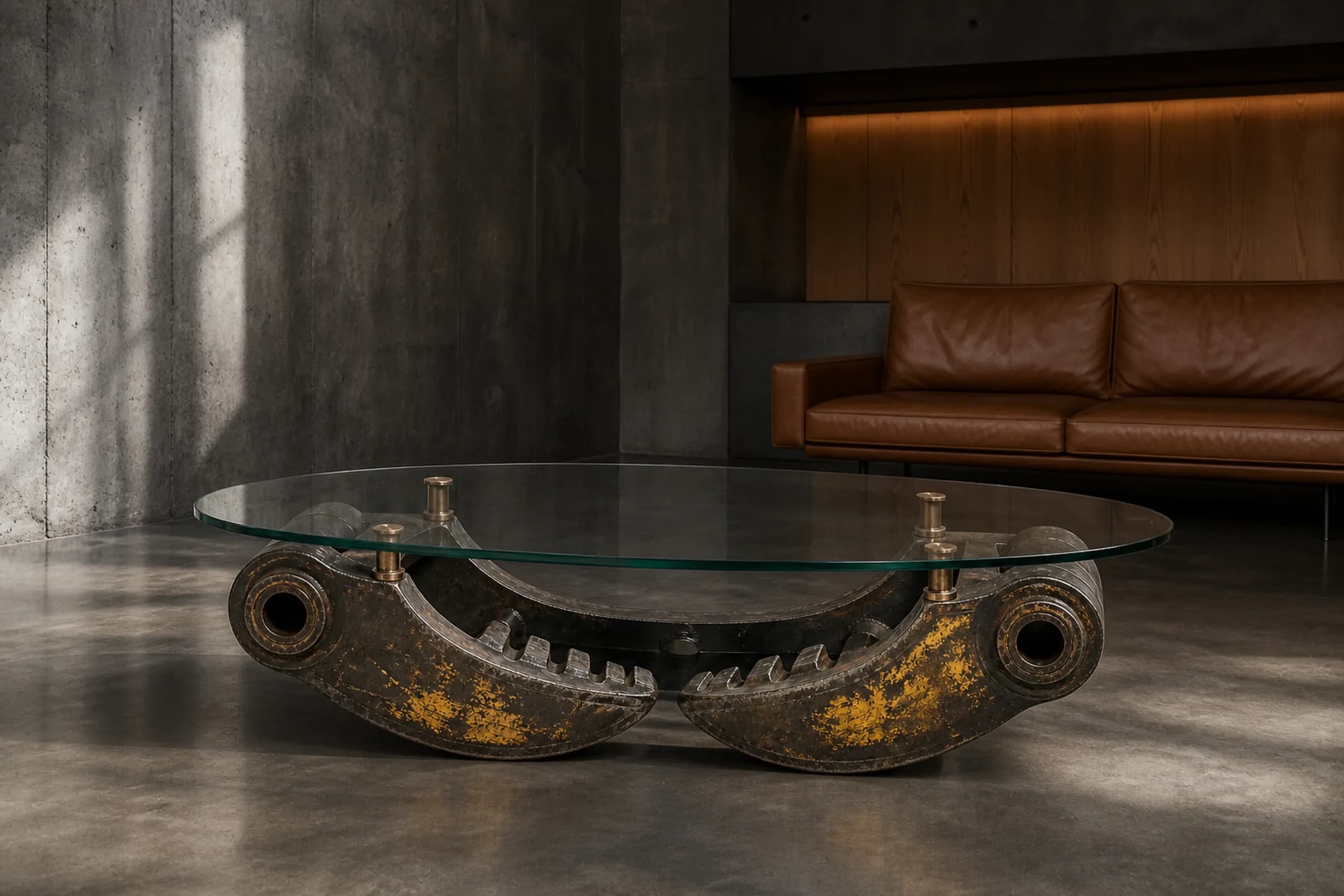
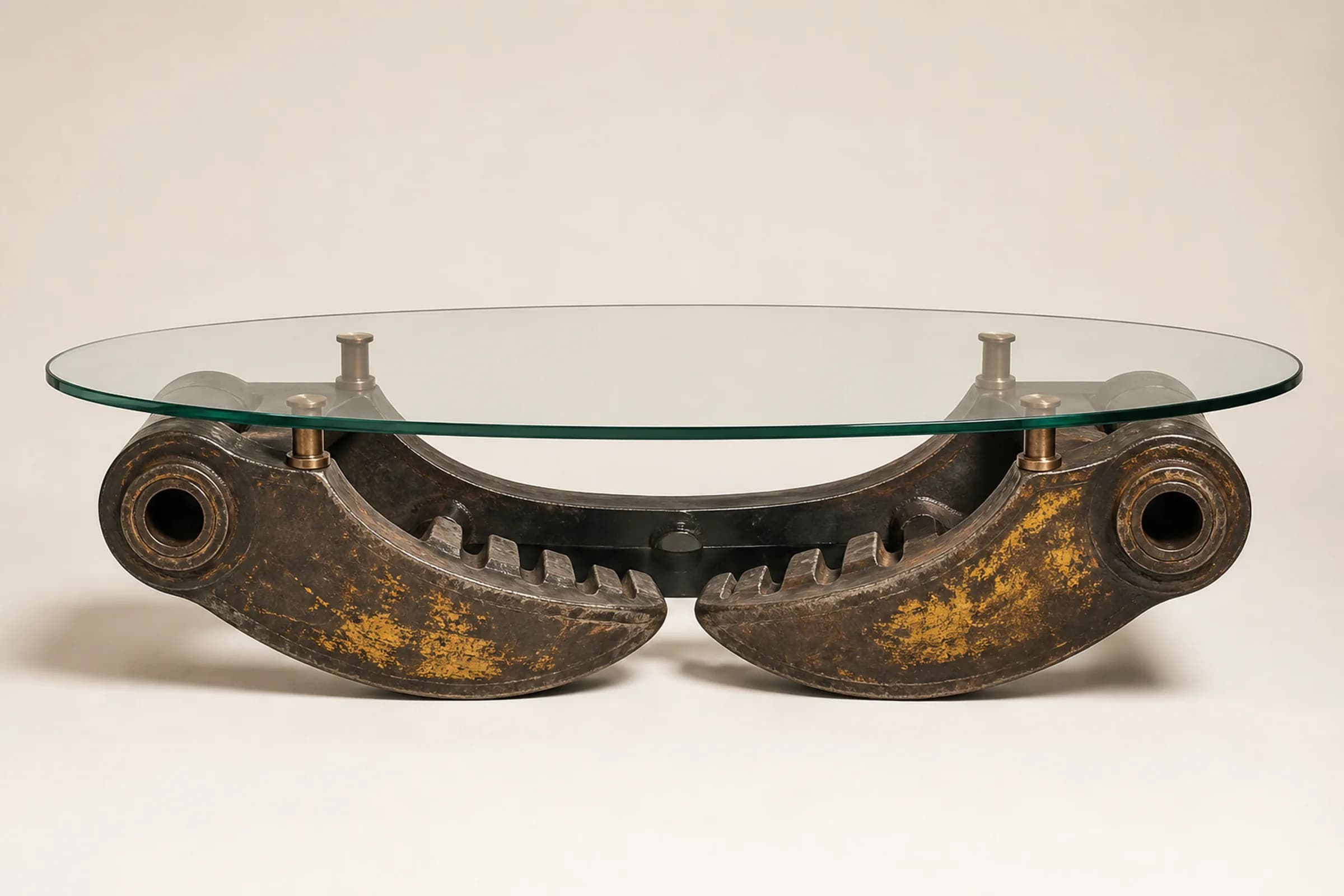
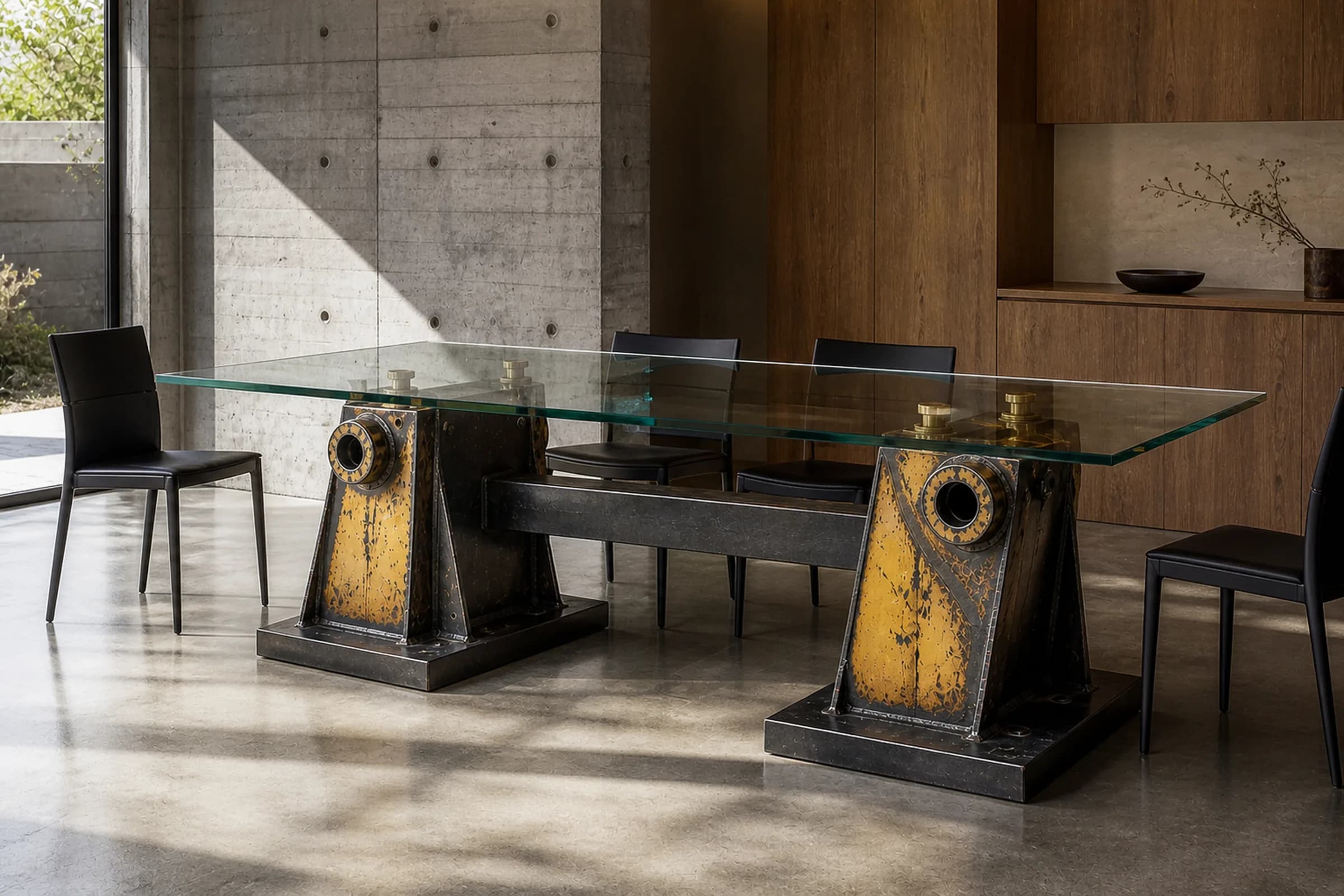
Considering a commission?
Tell us about the space and the location. We answer with availability, customisation scope and a transport estimate.