Steel patina: what the colours mean and which ones you can keep
Blue, straw, brown, black. The colours on a steel surface are not decoration — they are a record of heat, oxygen and time, and each one behaves differently once the object is indoors.
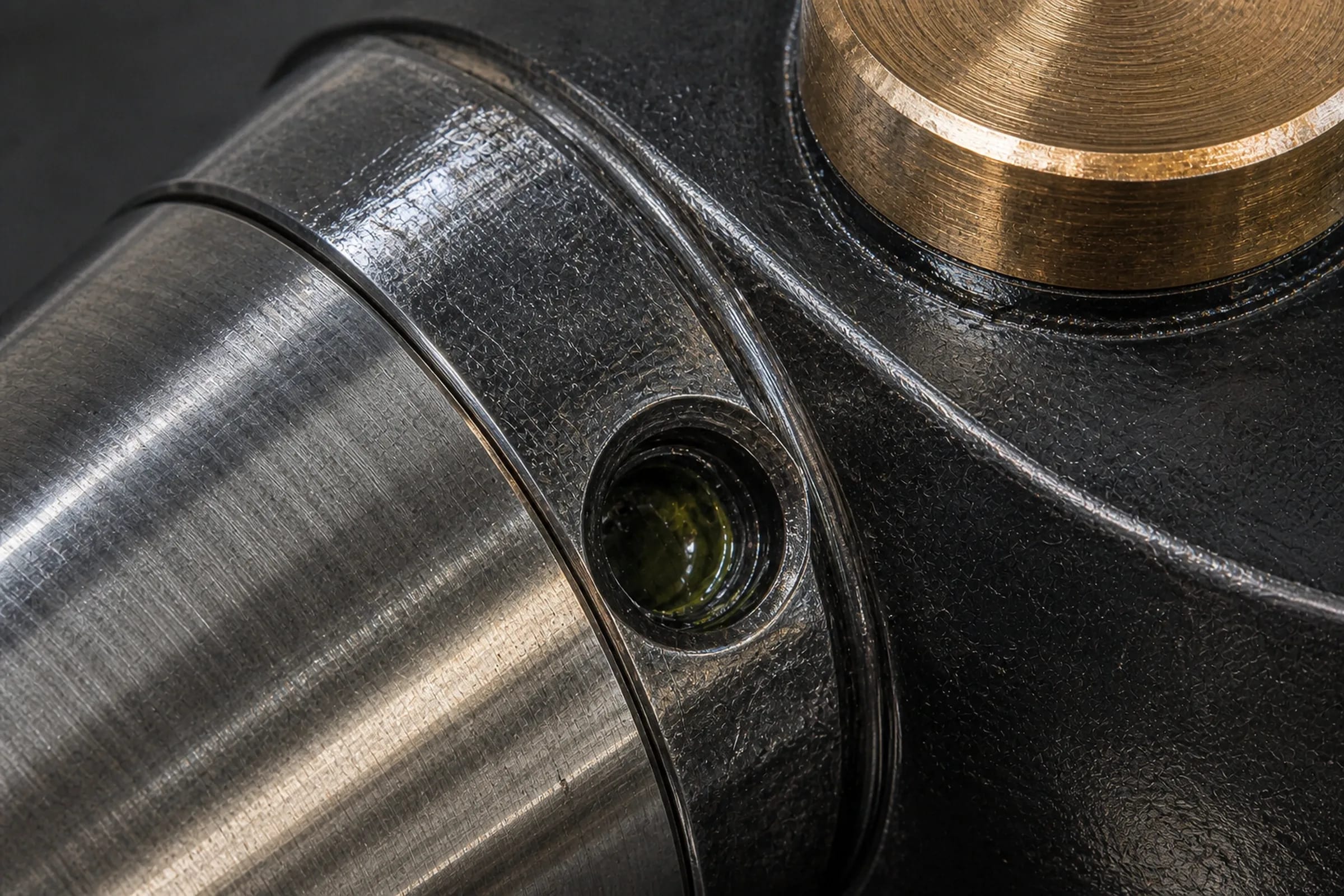
01Patina is chemistry, not a look
On steel, patina means a surface layer of iron oxides formed by reaction with oxygen and moisture. Which oxide forms depends on temperature, humidity, the presence of chlorides, and time. Magnetite — black iron oxide, Fe₃O₄ — is dense, adherent and genuinely protective. Red-brown rust — hydrated iron(III) oxide — is porous, holds water against the metal and keeps the reaction running underneath itself. Both are called patina in ordinary speech. Only one of them is stable, and telling them apart is the single most useful skill when buying anything made from reclaimed steel.
02The temper colours, and what they record
Heat clean steel in air and a thin oxide film grows, producing interference colours in a fixed sequence: pale straw around 200 °C, brown near 250 °C, purple around 280 °C, blue near 300 °C, and grey above roughly 340 °C. Blacksmiths and toolmakers used this sequence to judge tempering long before pyrometers existed. When you see straw or blue banding on a salvaged component, it is generally a record of grinding, flame cutting or welding — the colour marks exactly where the heat went. These films are extremely thin, chemically stable and worth preserving; they are also easy to destroy with an abrasive pad in seconds.
Patina is an oxide layer. Whether it protects the steel or slowly eats it depends entirely on which oxide formed.
03Mill scale, and why it is not rust
Hot-rolled steel leaves the mill with a blue-grey adherent skin of iron oxides formed during rolling. This is mill scale, and it is the surface most people mistake for a deliberate dark finish. It is hard, it is attractive, and it is unreliable as protection: it is cathodic to the steel beneath, so where it cracks, corrosion at the break is accelerated rather than slowed. Mill scale that has survived intact on a component is worth keeping and sealing. Mill scale that is lifting must come off, because sealing over it traps a problem underneath a finish.
04Which patina we keep, and what we remove
Our rule is that stable oxide stays and active corrosion goes. Loose scale, flaking red rust and anything holding moisture is removed mechanically to sound metal. Adherent dark oxide, temper colours, polished wear patches and pitting are kept, because they are the object's record. The surface is then de-greased and sealed with a matte clear that alters colour as little as possible. Chloride contamination is the exception that forces a harder decision: a component that worked in a salted or coastal environment can hold chlorides in its pits, and those will keep driving corrosion under any coating, so such pieces are either fully stripped or rejected.
05Living with it, and the honest limits
A sealed patina indoors is stable for years, but it is not inert. Strong direct sunlight will shift the tone slightly over several seasons. Standing water at a joint will eventually find a way under any clear coat. Fingerprints on unsealed dark oxide will etch faintly, which is why handles and grip points on some objects darken unevenly over time. None of this is failure — it is the material continuing to behave like the material. If you want a surface that will look identical in a decade, patina is the wrong choice and a powder coat is the right one.
Objects in this note
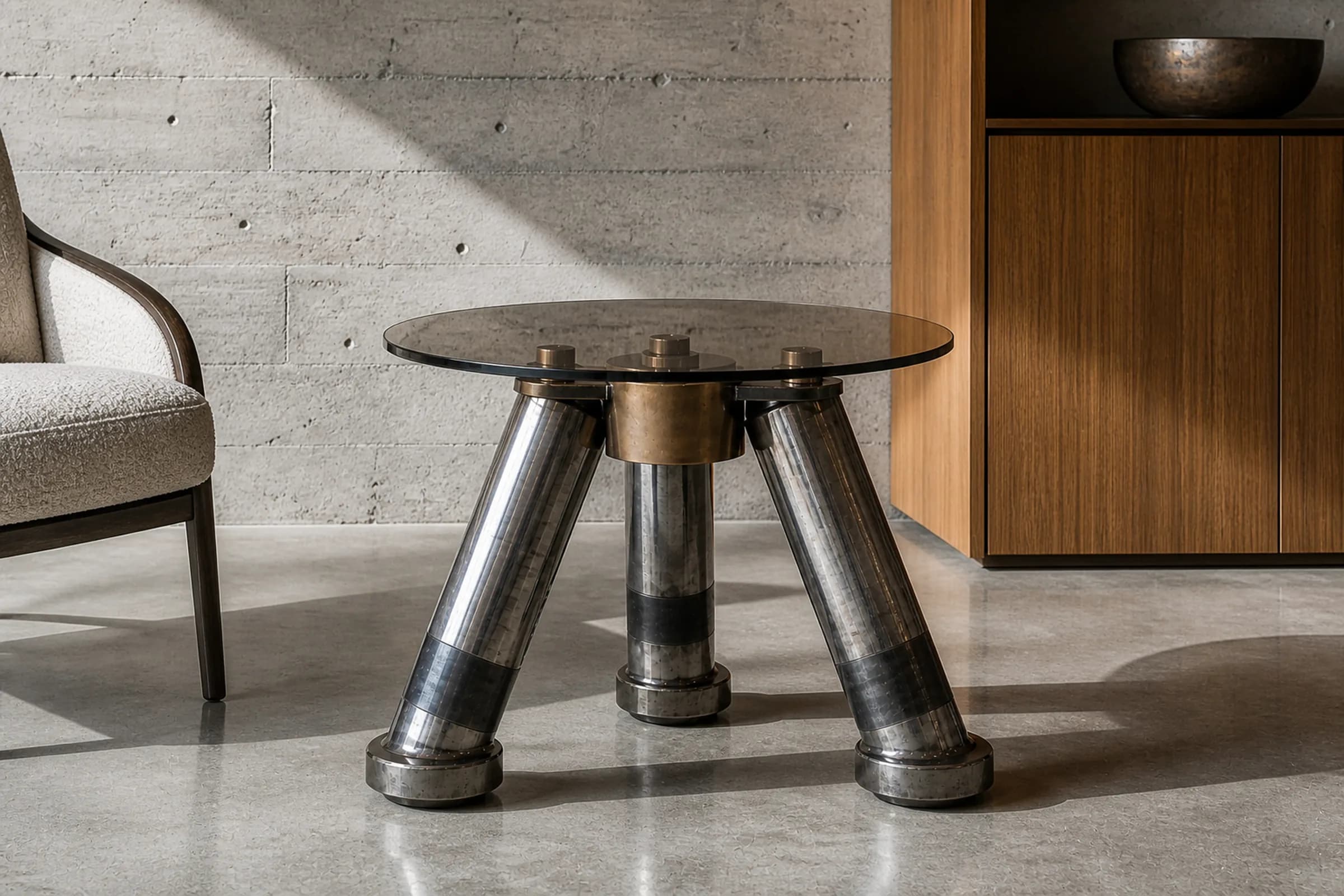
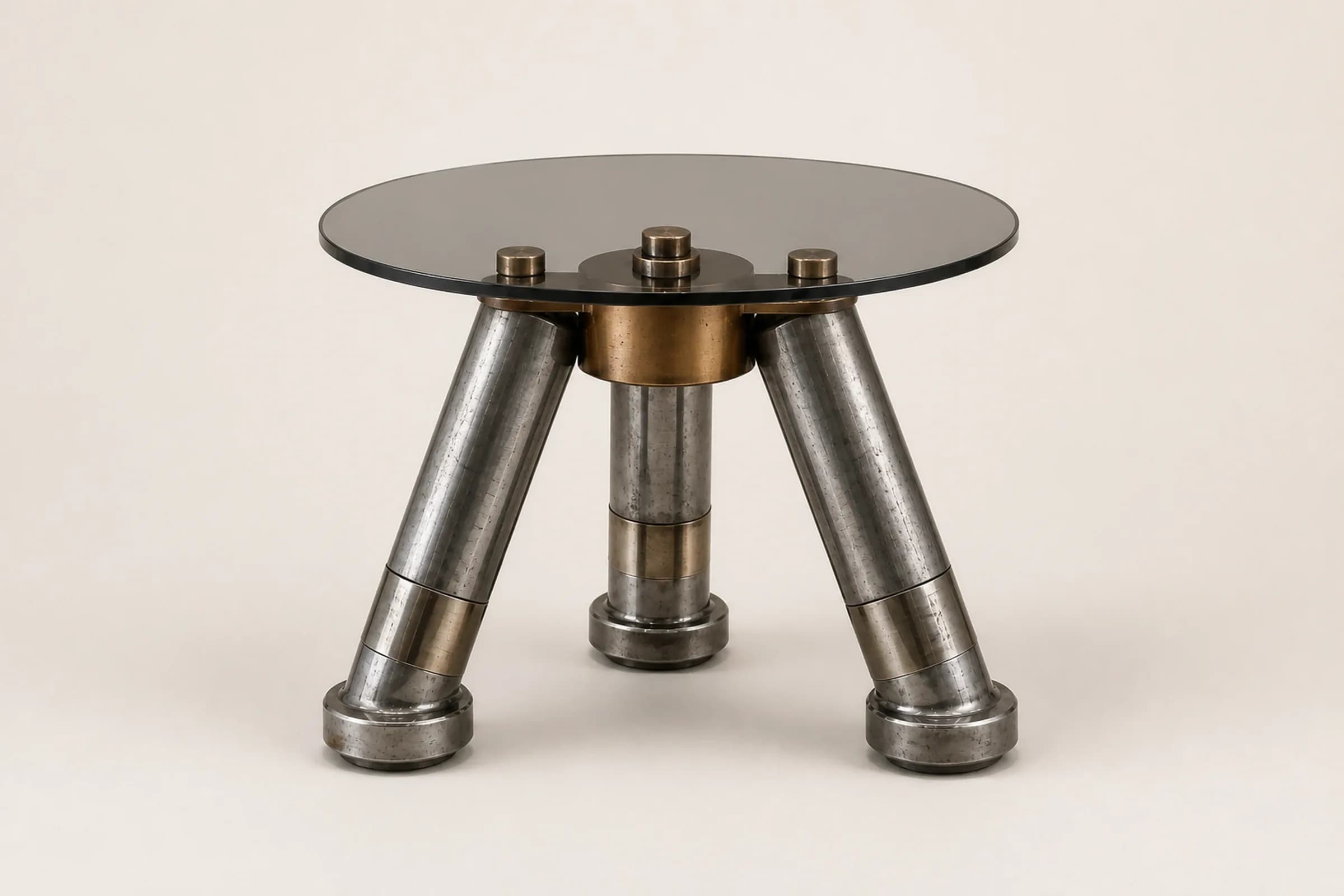
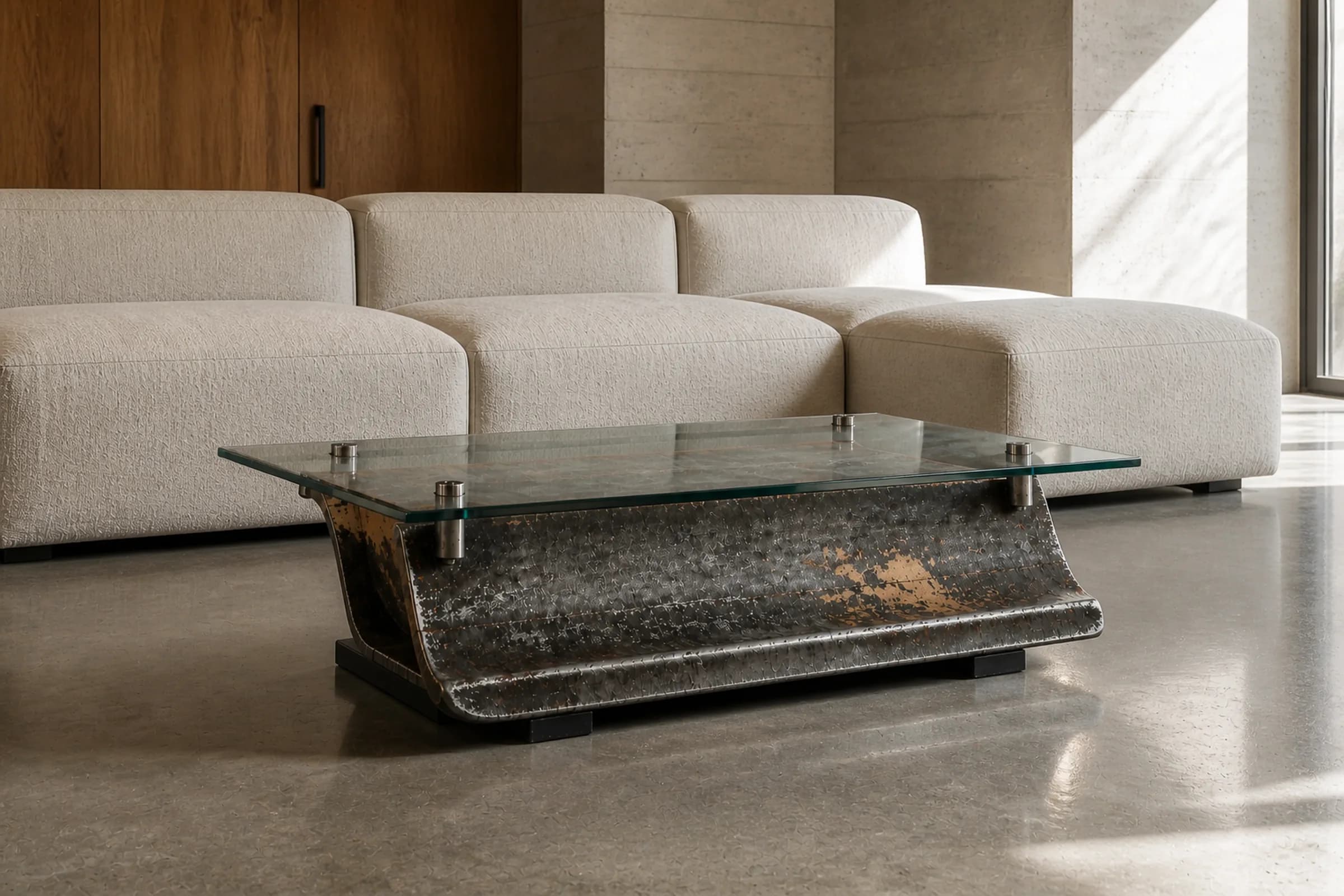
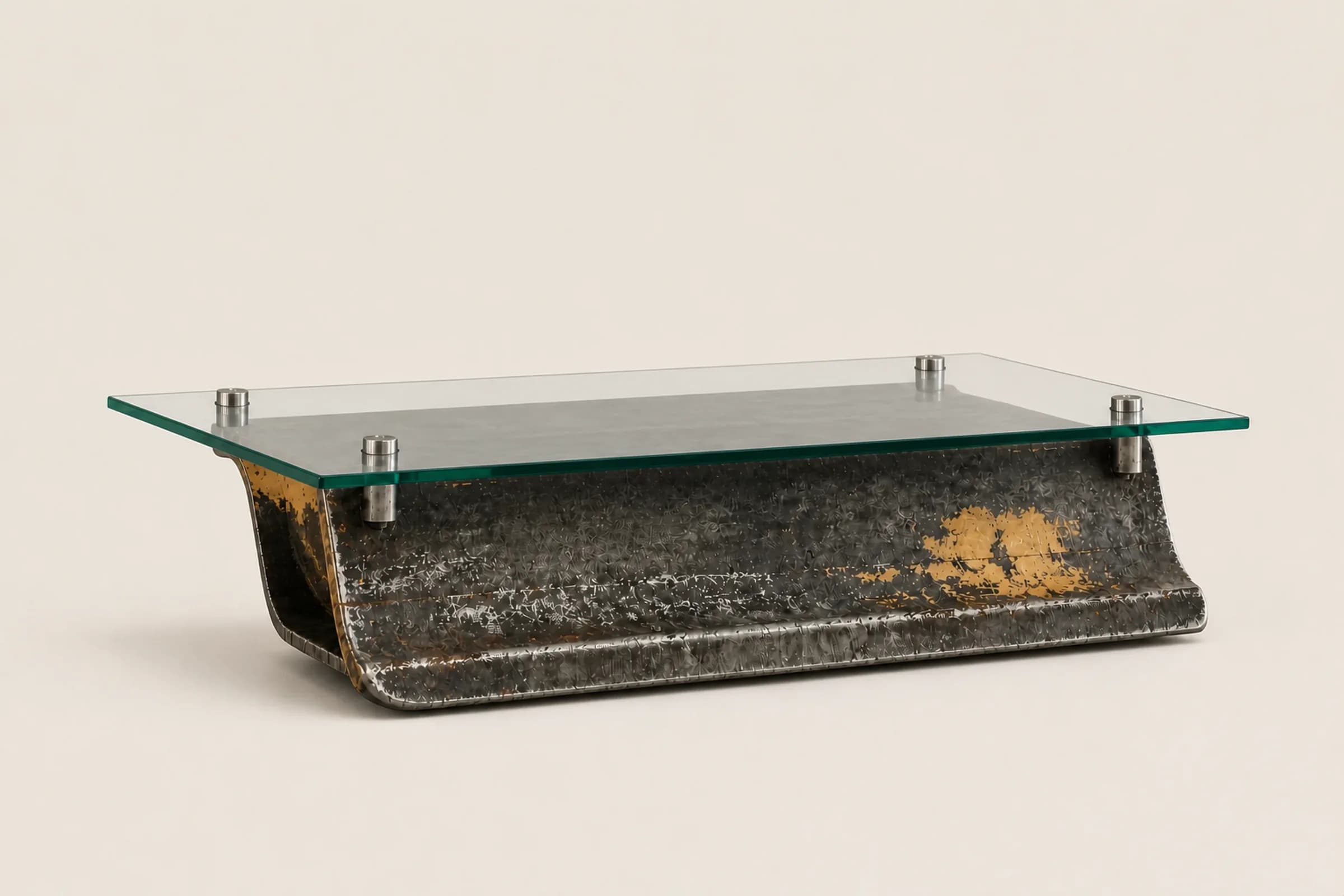
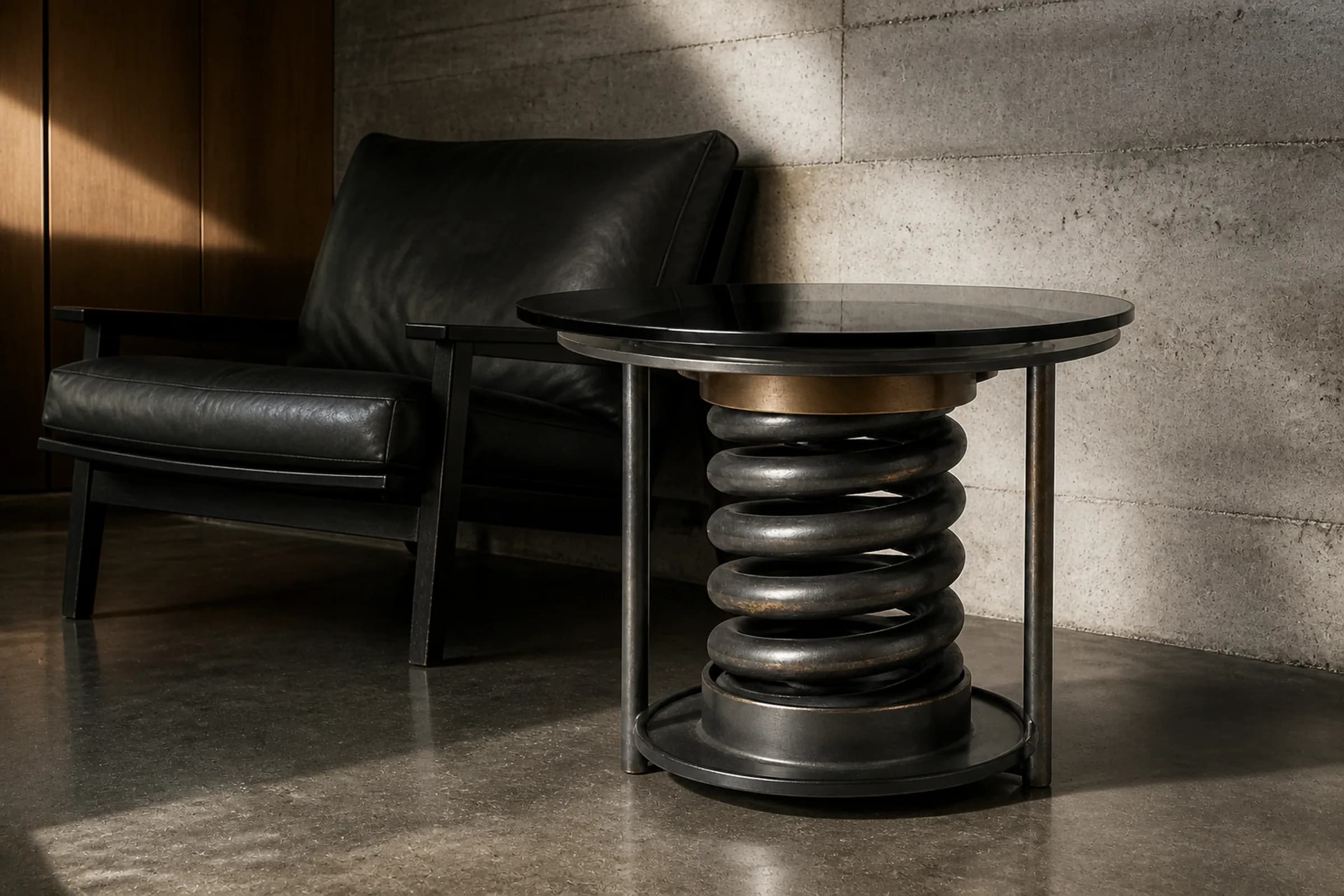
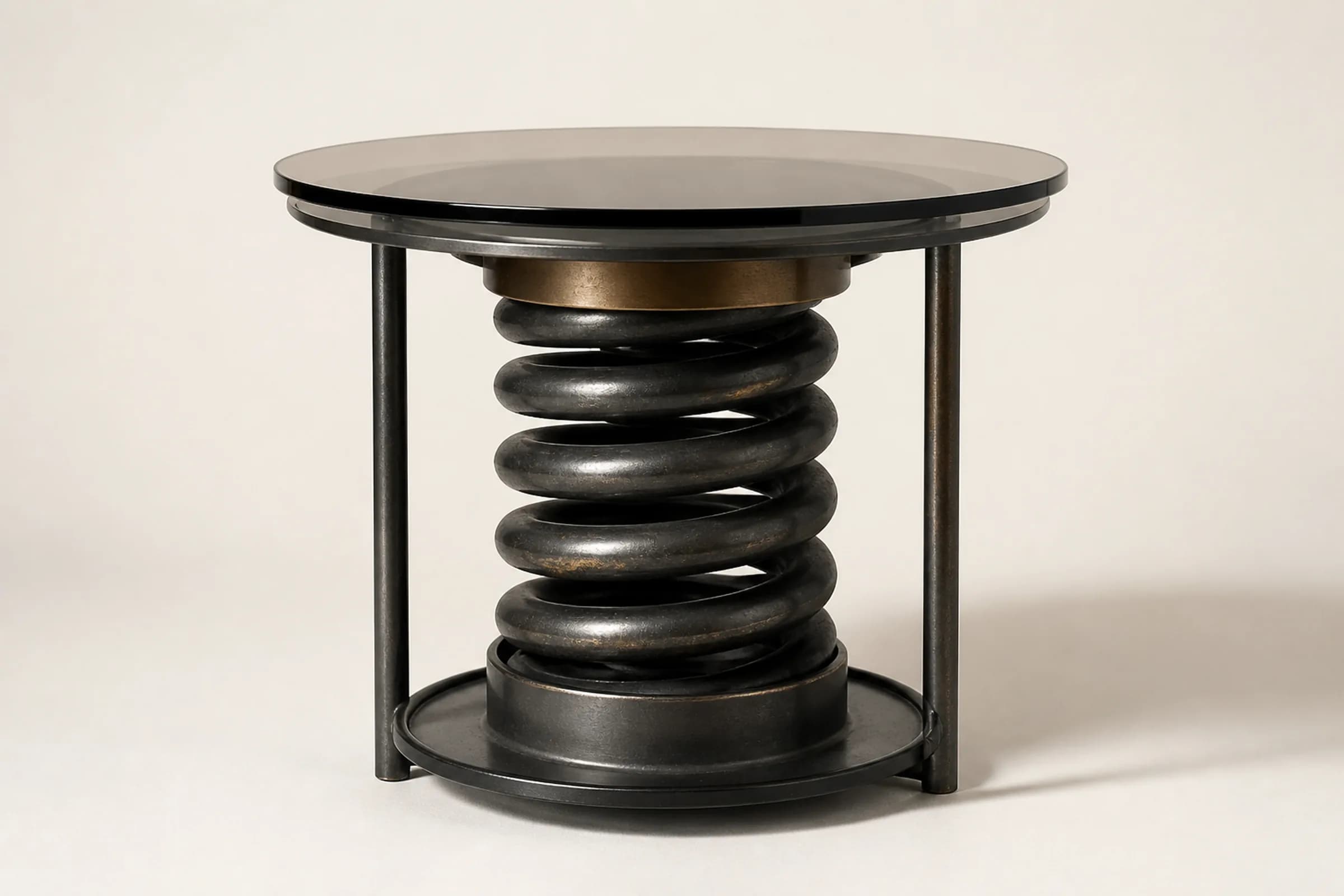
Considering a commission?
Tell us about the space and the location. We answer with availability, customisation scope and a transport estimate.