How we document the origin of every part
A certificate that says “reclaimed steel” says nothing. Ours names the machine class, the sourcing location and the condition of the part before we touched it.
01Why a generic certificate is worthless
“Reclaimed steel” on a certificate tells a buyer nothing that looking at the object does not already tell them. For a piece whose value rests on having had a working life, the documentation is the substance of the claim rather than a formality — remove the history and what remains is a heavy metal shape. That asymmetry creates an obvious temptation to embroider, and the category contains a good deal of invented backstory. The counter is to state precisely what is known, precisely how it is known, and precisely where knowledge ends.
02Condition report before the first cut
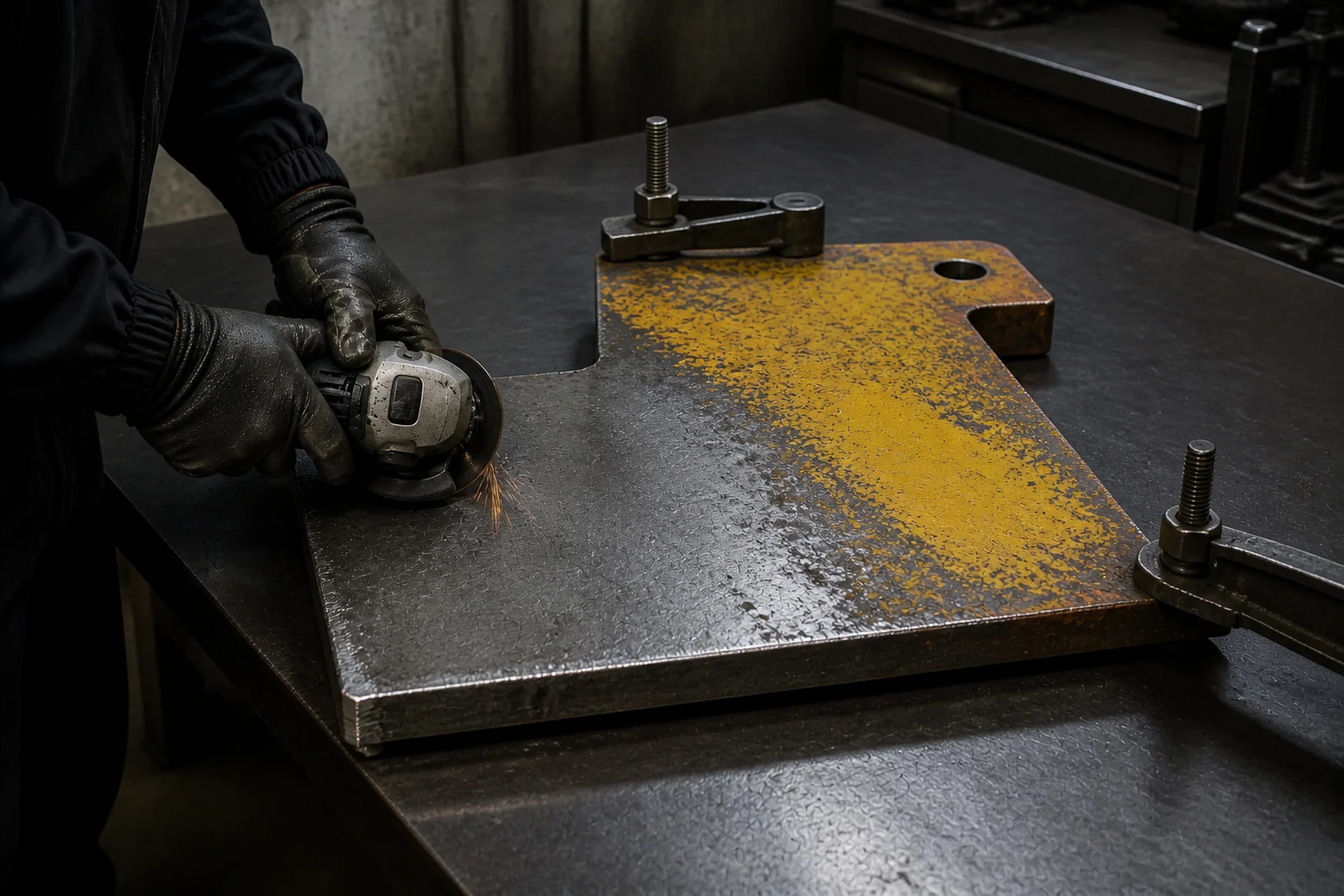
Every component is photographed, measured and assessed before any work begins, because preparation destroys evidence. The report records dimensions, mass, the pattern and depth of wear, corrosion type and location, any cracks found at the mounting points, and the material class established by hardness testing. Fatigued wear components crack more often than people expect, and a crack has to be found before the part is used structurally, not after. If a piece fails this inspection it is rejected, and there is no second identical unit to fall back on.
If we cannot evidence it, it does not go on the certificate.
03What the certificate actually contains
A specific identifier for the object. Its finished dimensions and mass. The component type and its original function. The donor machine class and the approximate service period, each with the basis on which it was determined — geometry and mounting details for the class, wear depth and corrosion character for the period. The material class and the finish specification. The date of making and the maker. A statement of whether the piece is unique or repeatable. And photographs of the part before and after preparation.
04What we will not claim
A specific machine serial number is almost never recoverable, because components are routinely swapped between machines during a working life and identification plates live on the chassis rather than on the wear parts. The precise site the machine worked on is not recoverable either, unless the part came directly from an identified operator with records — which occasionally happens and is then stated as such. Exact dates of manufacture are usually unavailable. Any certificate offering all of these for a generic salvaged part is describing a level of traceability the salvage chain does not support.
05Why this matters on resale
Provenance is only useful if it survives with the object. Keep the documentation somewhere it will not be lost in a move, photograph the piece on arrival for insurance, and record any repair or refinishing with dates, because a future condition assessment depends on knowing what was original and what was later work. If the piece is ever sold, the documentation goes with it. An object of this kind without its record loses most of what distinguished it, and the record cannot be reconstructed after the fact by anyone, including us.
Objects in this note
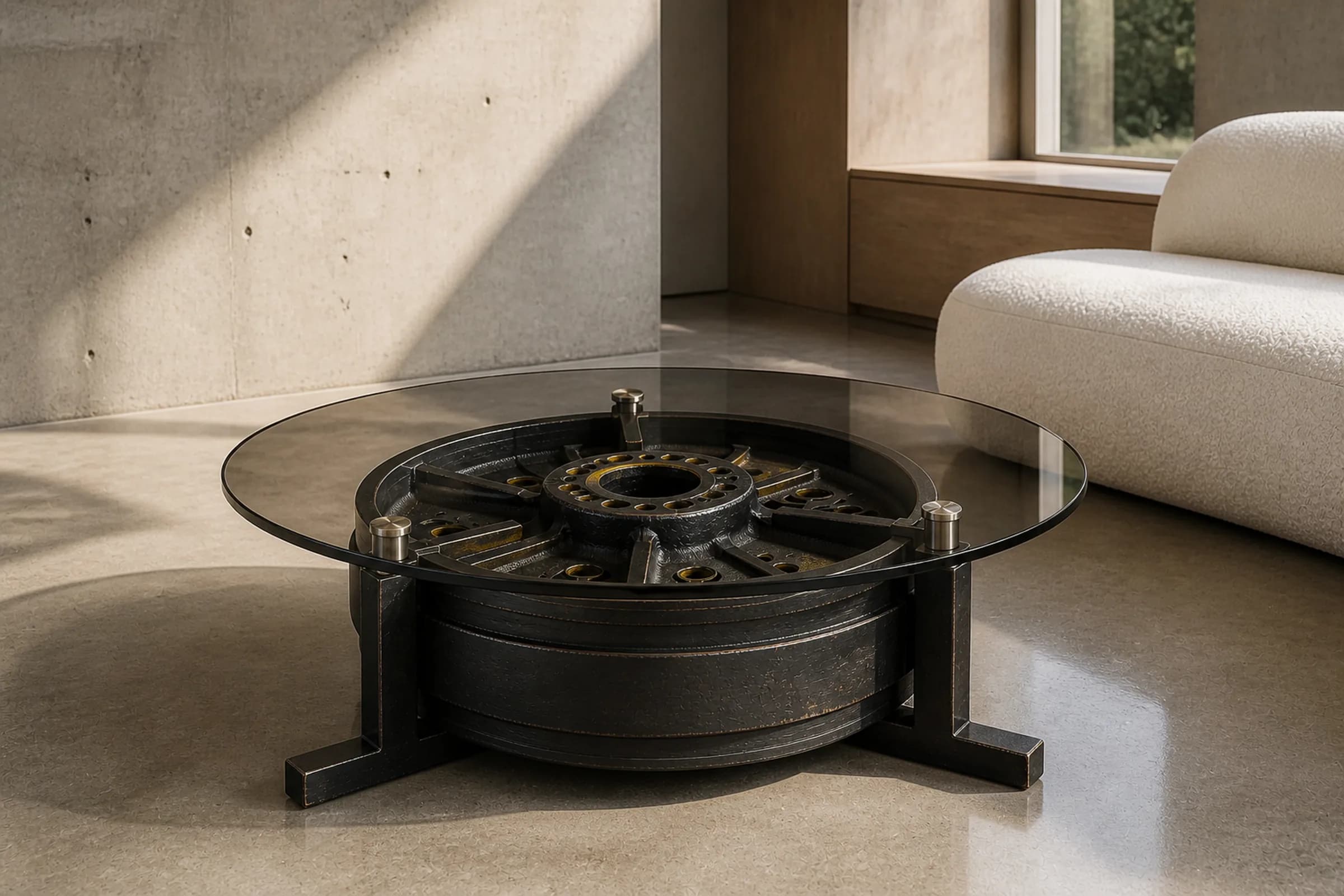
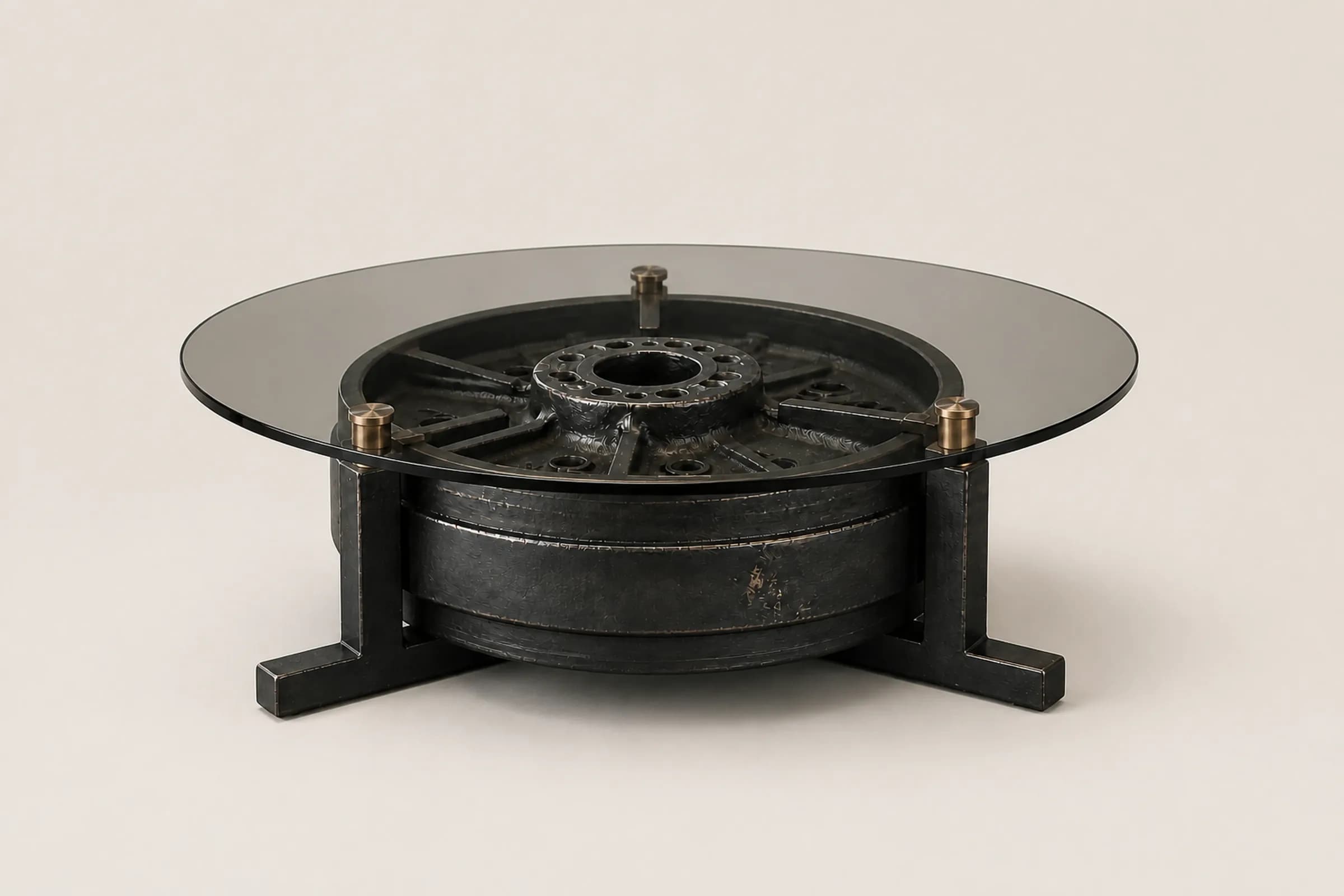
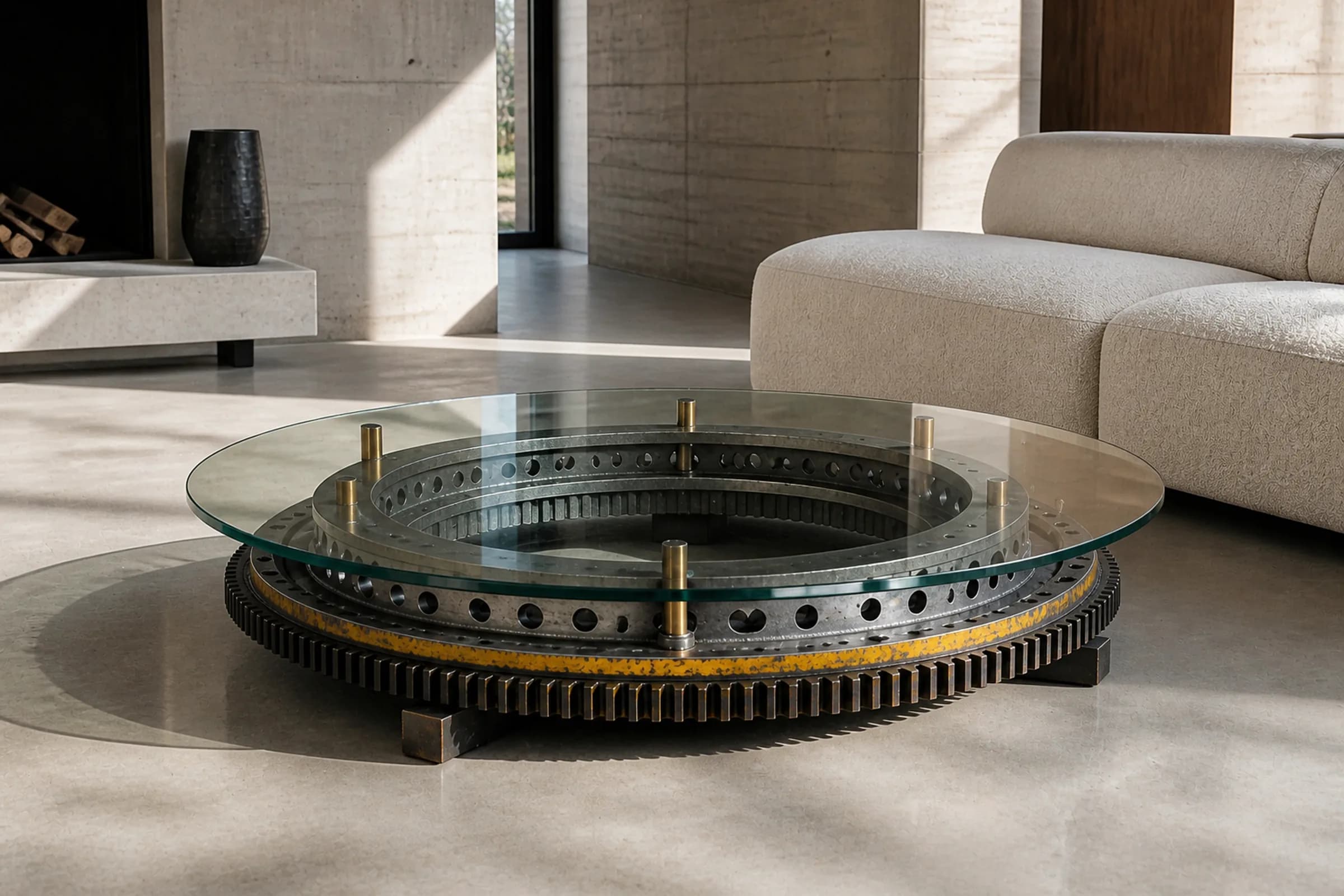
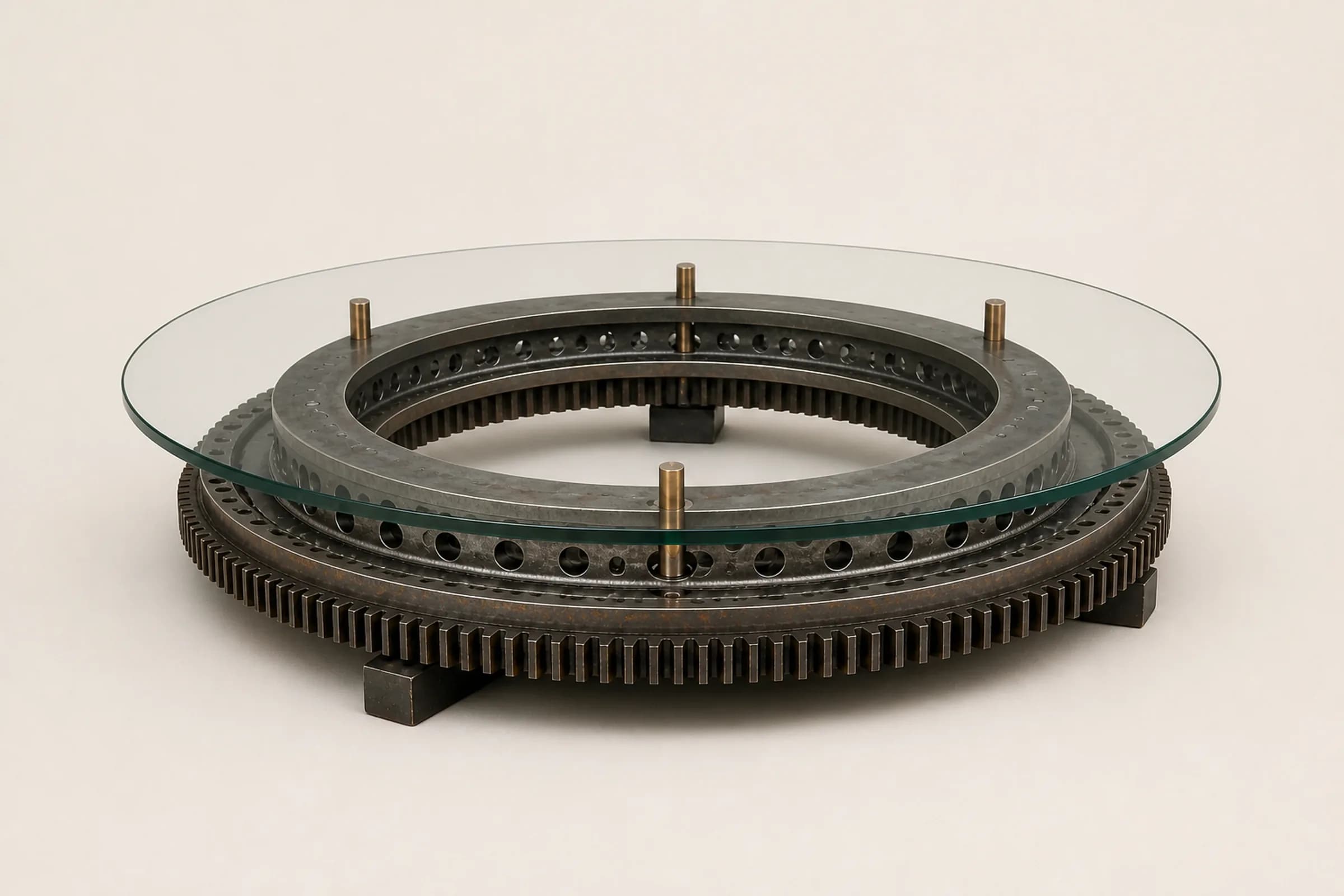
Considering a commission?
Tell us about the space and the location. We answer with availability, customisation scope and a transport estimate.