Styling a large rectangular coffee table without filling it up
A 1400 mm top invites decoration and punishes it. The larger the surface, the more a scattered arrangement reads as neglect rather than abundance.
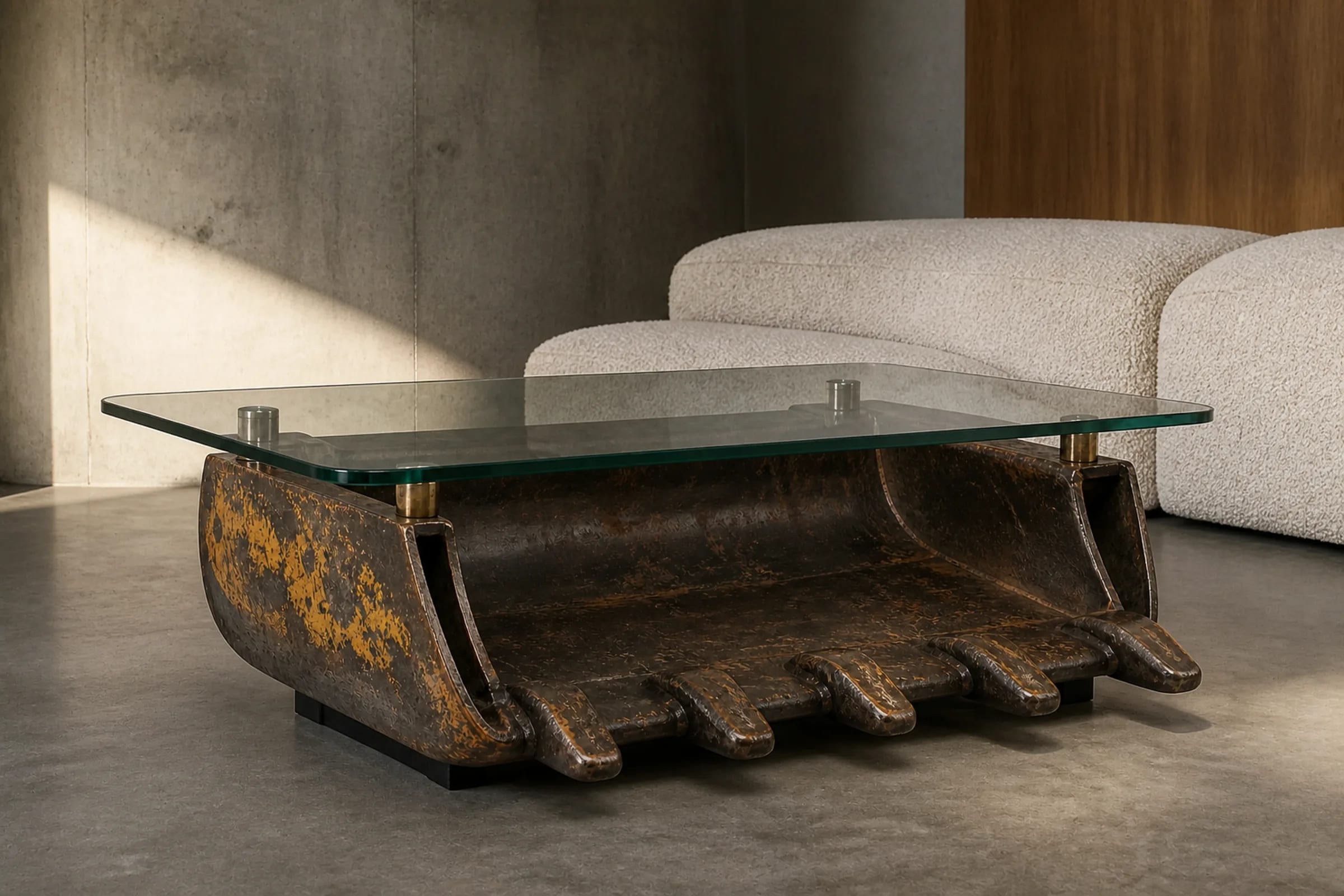
01Divide the length before you place anything
The reliable method on a long top is zoning, not clustering. Split the surface into three notional bands across its length and commit to using no more than two of them. On a 1400 mm table that gives three roughly 460 mm zones: one holds a composed group, one stays deliberately clear for cups and feet, the third either stays empty or carries a single low object. Filling all three produces a display case. Zones also give you a rule for putting things away — anything that migrates into the clear band goes back at the end of the day.
02Height variation matters more than quantity
Where a group exists, it needs three heights and no more than three items: something low and wide, something upright, something with mass at the base. A flat stack of books, a vessel of 200–300 mm and one dense object is the whole formula. Adding a fourth element almost always duplicates a height that is already present, which is what makes an arrangement read as busy. On steel and glass, keep the materials warm and matte — ceramic, stone, paper — because a second reflective surface next to glass fights it.
Empty space on a large table is not a gap to fill. It is the reason the table looks generous.
03Circulation on a long piece
Rectangles dictate movement in a way circles do not. Keep 350–450 mm between the sofa edge and the long side, and check that anyone can pass along at least one side at 700 mm or more. On heavy objects this matters more than on light ones, because you cannot nudge a 340 kg table aside to get past — the position you choose at delivery is effectively permanent. Set out the footprint in tape on the floor and live with it for a day before the object arrives; the tape costs nothing and catches the mistake while it is still free to fix.
04What to do about the underside
On a large piece with a glass top, the space beneath is a substantial part of what you see, and it is usually mishandled — a basket of remote controls under a sculptural steel structure undoes the object. Either keep it genuinely clear, or place one large item that can hold its own against the base: a flat woven basket, a single stack of oversized books, nothing that rattles. Storage belongs elsewhere in the room; a heavy sculptural object is the wrong place to hide clutter, because glass makes hiding impossible.
05Living with a big surface in a family room
Large tops are, in practice, the most used surface in a house. Accept that and specify for it rather than fighting it: toughened glass at 12 mm or more, edges polished and arrised so a knock does not chip, and enough clear zone that people can genuinely put things down. Coasters help less than people expect on glass — the real risk is thermal shock from a very hot dish, which is worth a mat, and point impacts from dropped hard objects, which no accessory prevents. Set the expectation early with everyone who uses the room: it is a table, it will be used, and it is specified to take that.
Objects in this note
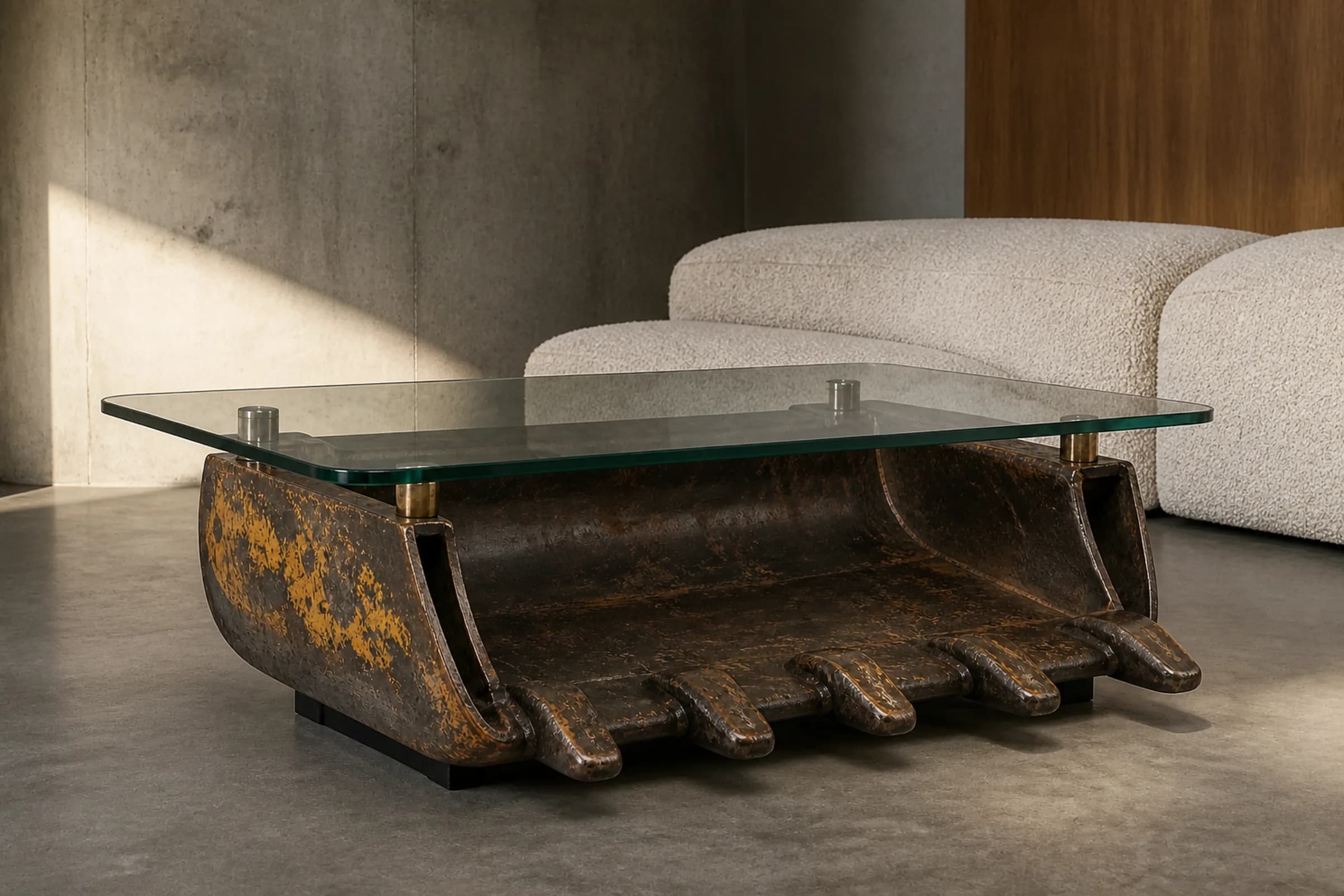
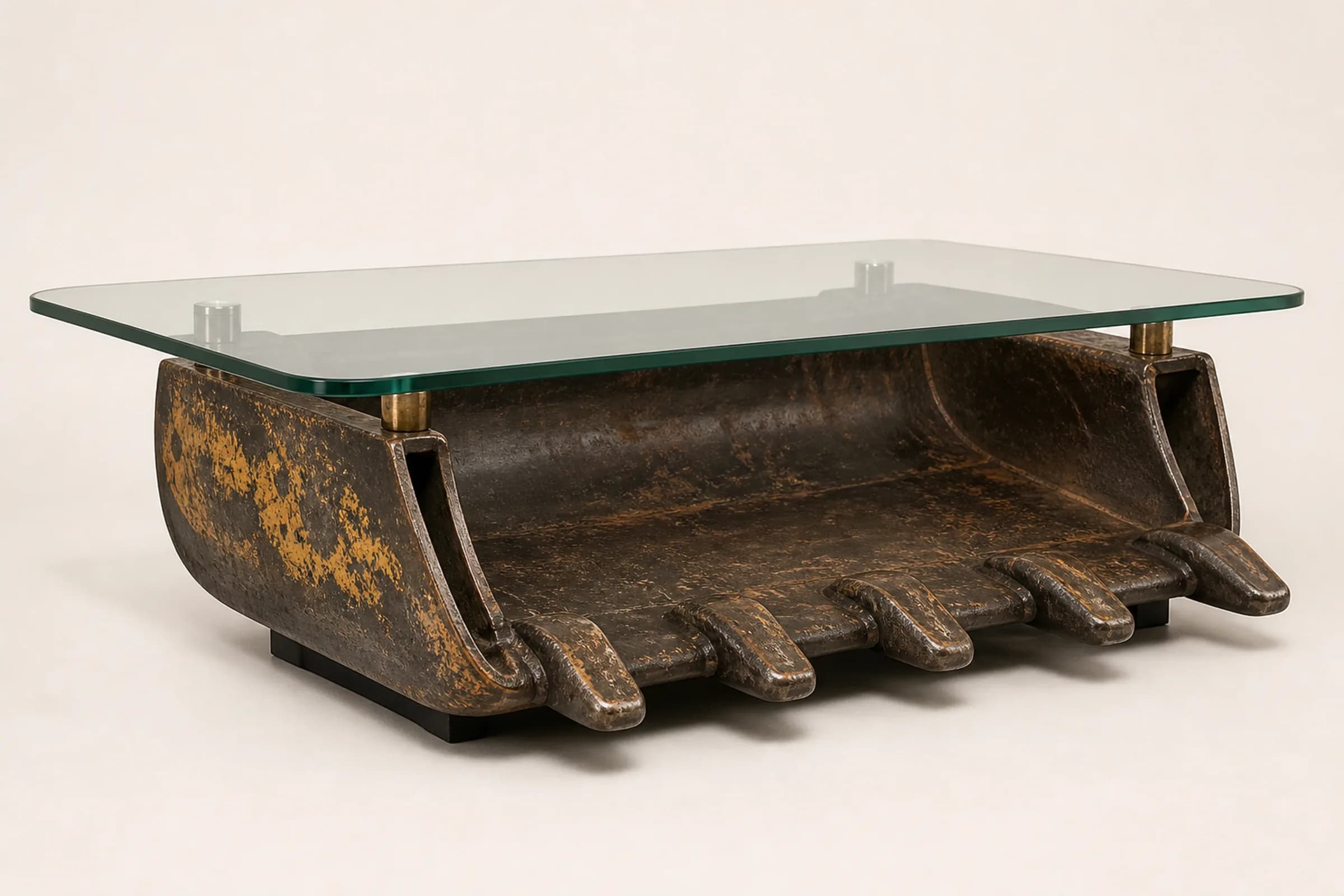
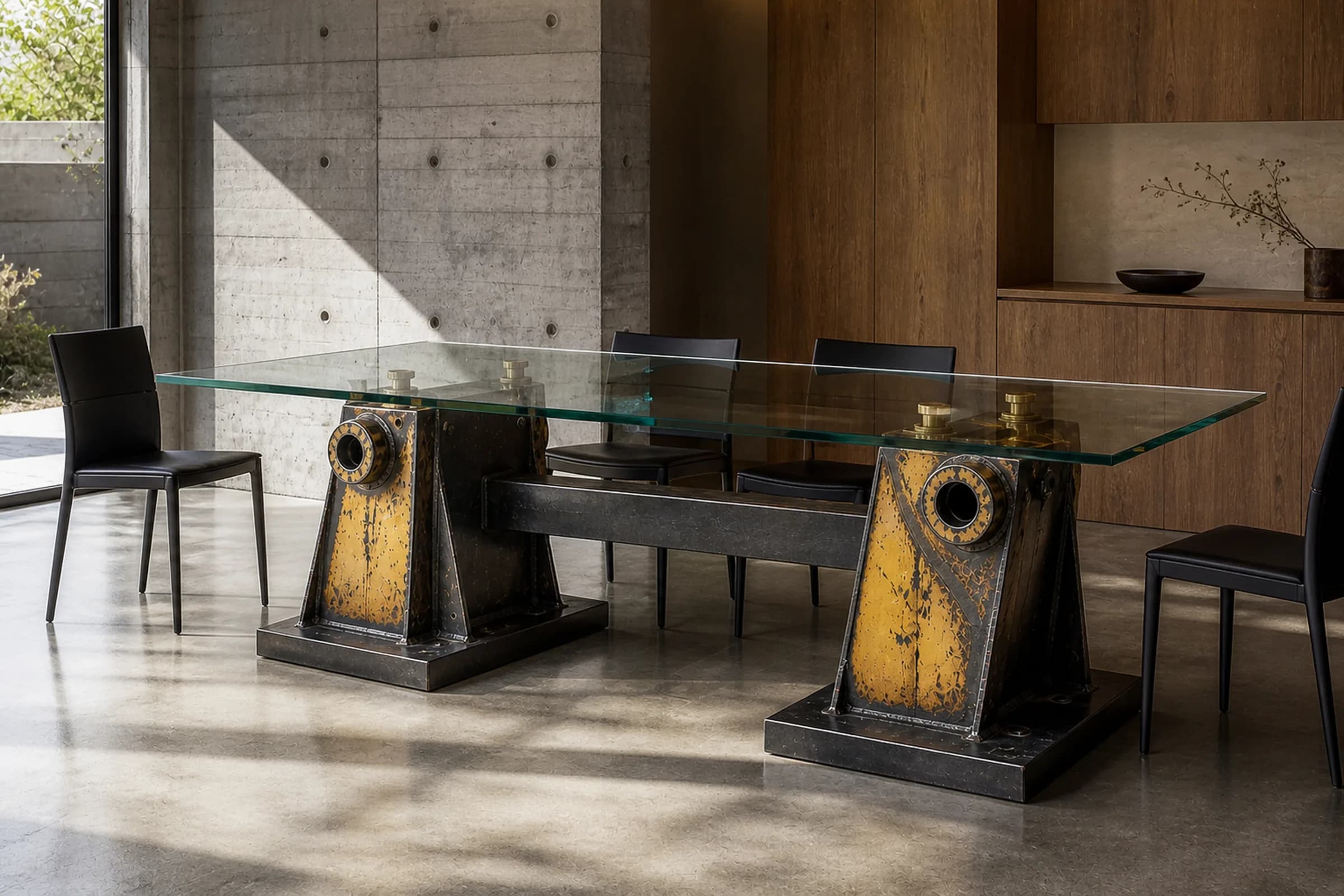
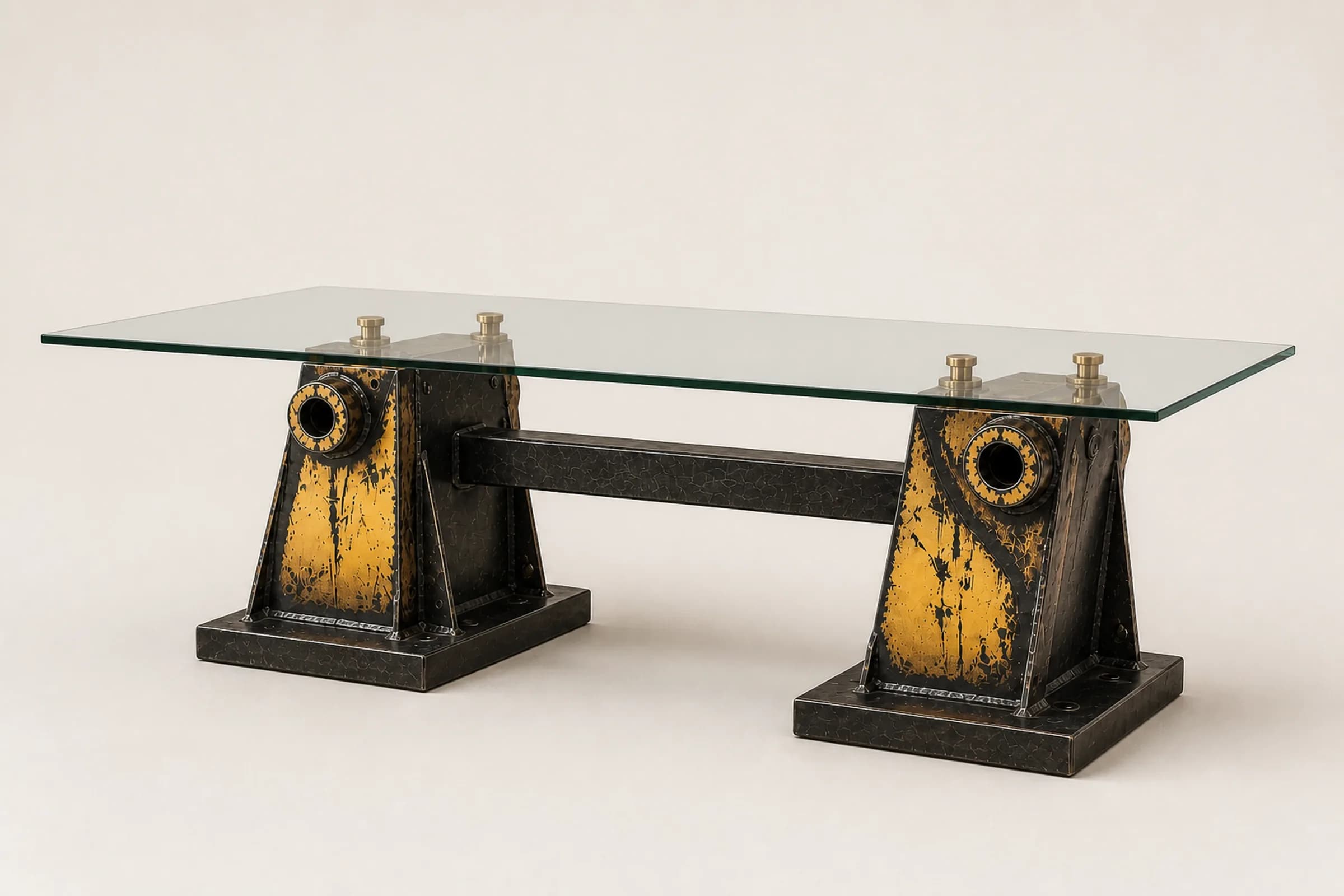
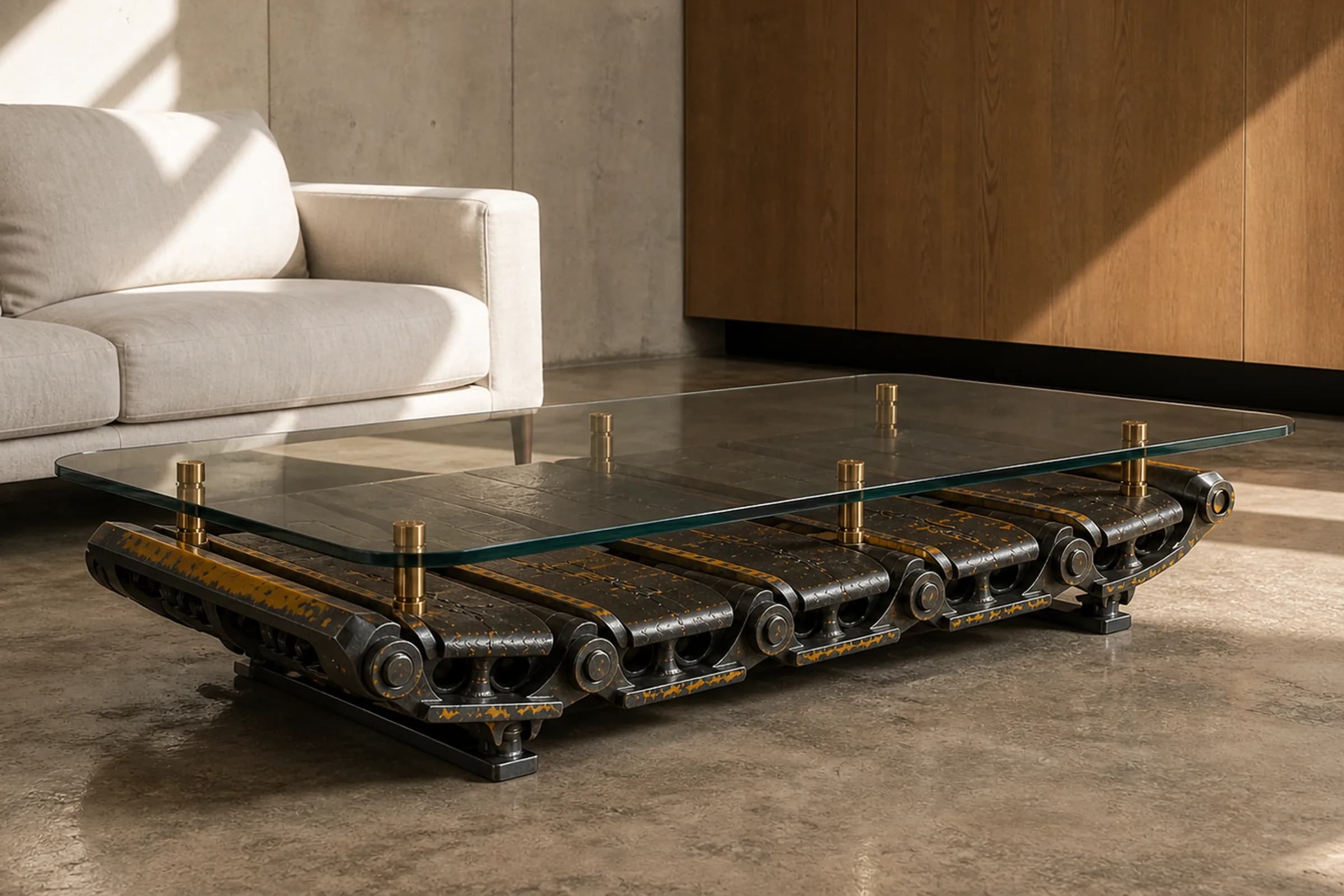
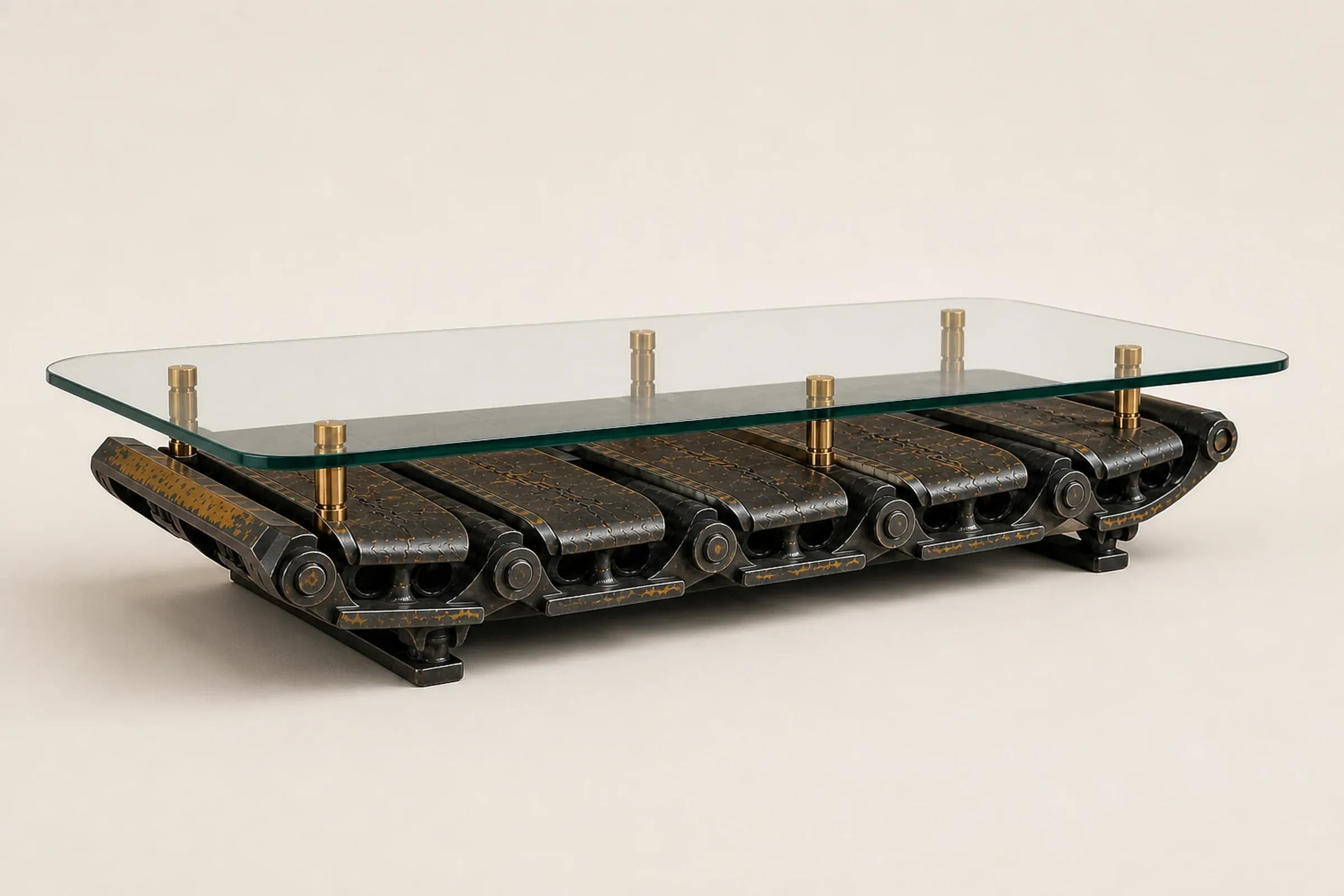
Considering a commission?
Tell us about the space and the location. We answer with availability, customisation scope and a transport estimate.