Heavy steel over underfloor heating: what actually matters
Underfloor heating changes two things about placing a dense object — where the point loads land, and how the floor finish behaves under sustained pressure. Neither is a reason to avoid steel.
01The steel is not the problem
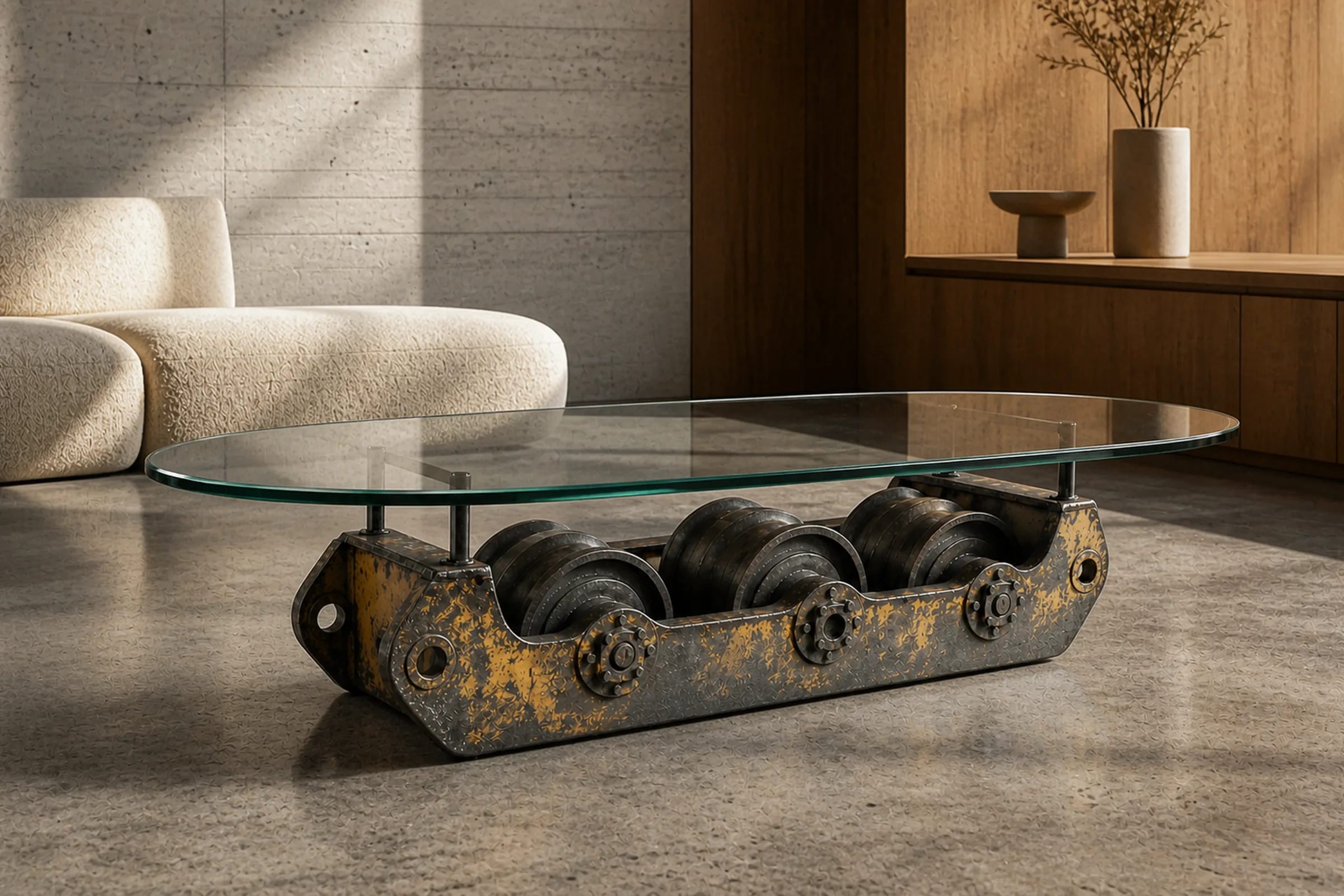
A common worry is that a large metal object over a heated floor will act as a heat sink and rob the room of warmth. In practice a steel object reaches equilibrium with the floor and then radiates that heat back into the room; it stores energy rather than consuming it. The real effects are slower response when the system starts from cold, and a warm surface where the steel meets the floor. Neither is a performance problem in a normally specified system.
02Point loads and the pipe layer
The genuine constraint is mechanical. Heating pipes sit inside the screed, typically 30–50 mm below the finished surface, and manifold runs concentrate several circuits into a narrow band. A dense object on small feet applies very high pressure to a small area, and while a properly cured screed handles that, nobody wants to discover the exception above a manifold. Ask for the pipe layout drawing before choosing a position, and keep concentrated loads away from the dense run near the manifold cabinet.
Steel does not care about the heating. The screed and the floor finish do.
03Screed thickness and curing
Anhydrite and cement screeds over heating reach full strength only after a proper commissioning cycle, and placing a heavy object on a screed that has not completed it is the one genuine mistake available here. If the floor is new, ask when the heat-up protocol finished. After that, a correctly specified screed of normal thickness takes a distributed load from a wide-footed object without difficulty.
04Finish behaviour under sustained pressure
Warmth softens some finishes. Vinyl, LVT and certain resins are more prone to indentation when warm and under sustained load, and an indentation from a steel foot on a heated LVT floor will not recover. Engineered timber and stone are far more forgiving. On any soft finish, a hard spreader pad under each foot converts a point load into a small distributed one, which is usually the whole solution.
05A short checklist
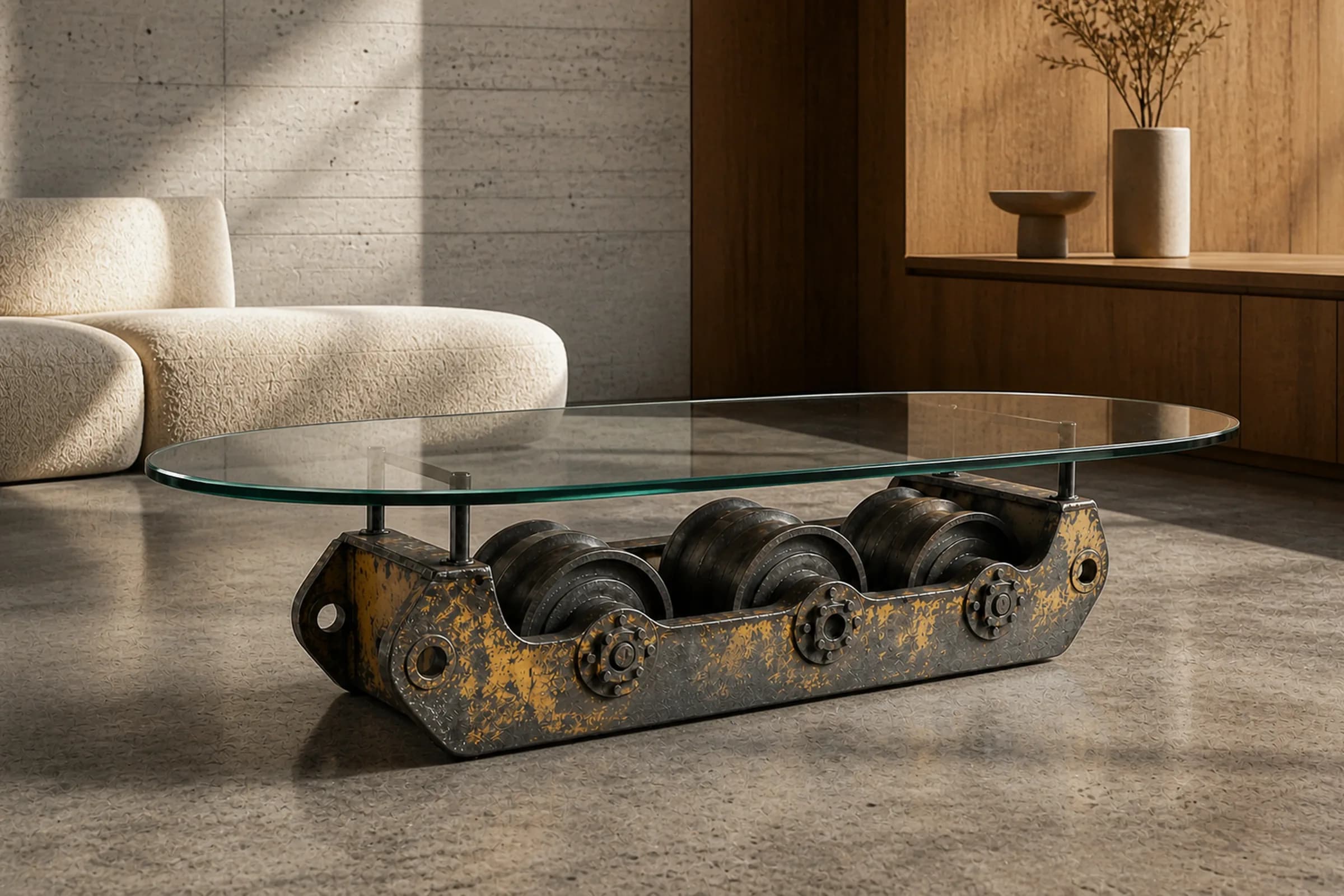
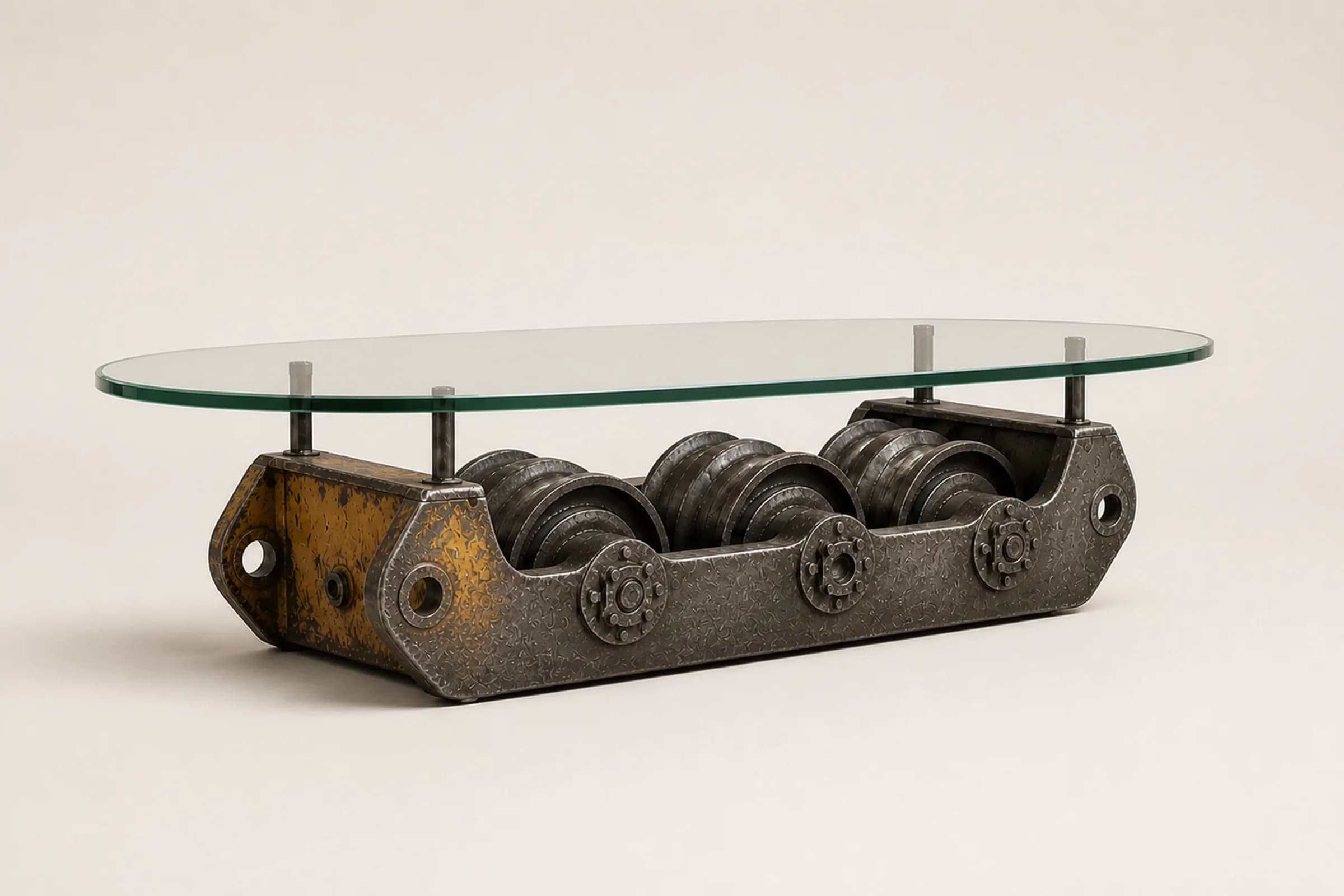
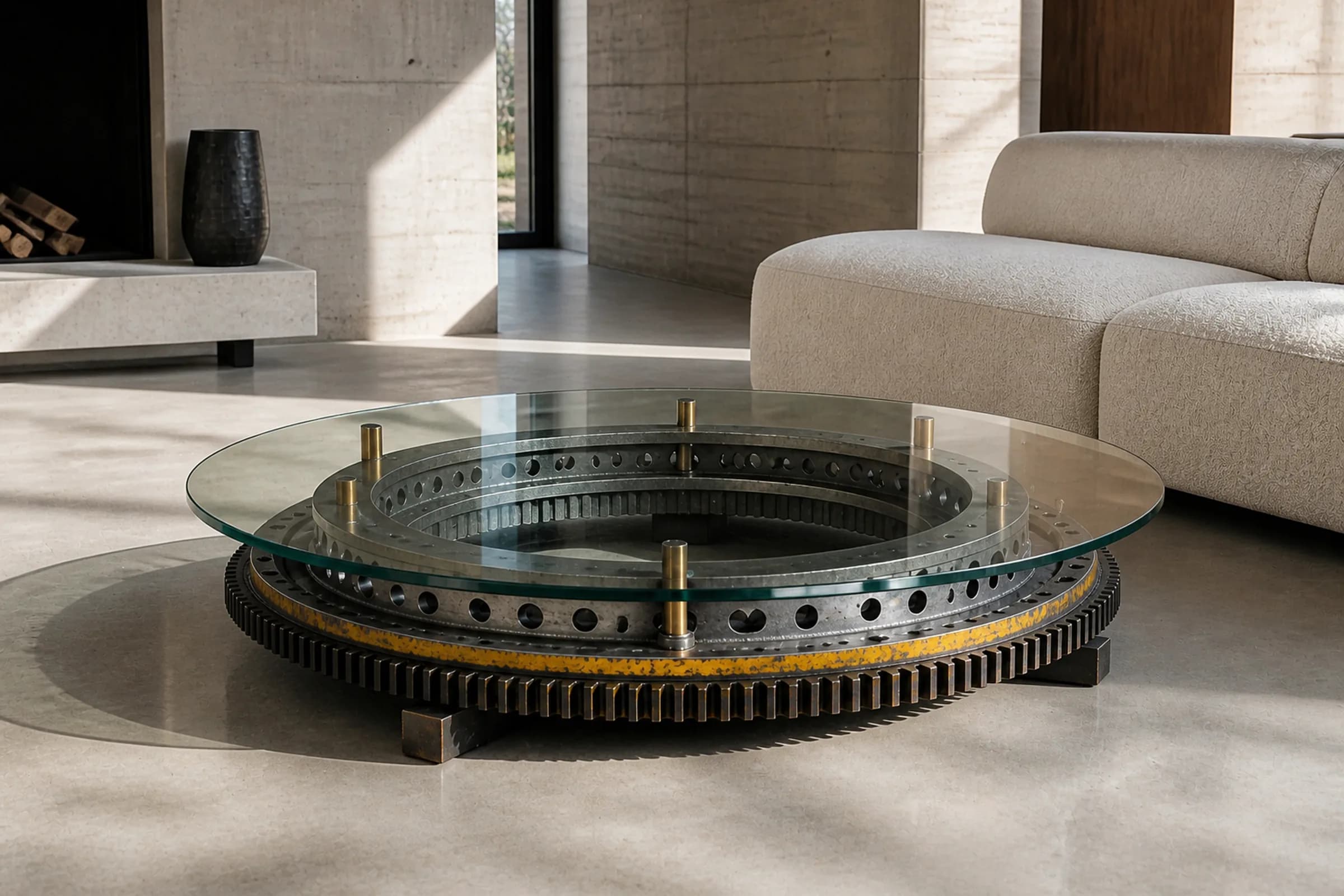
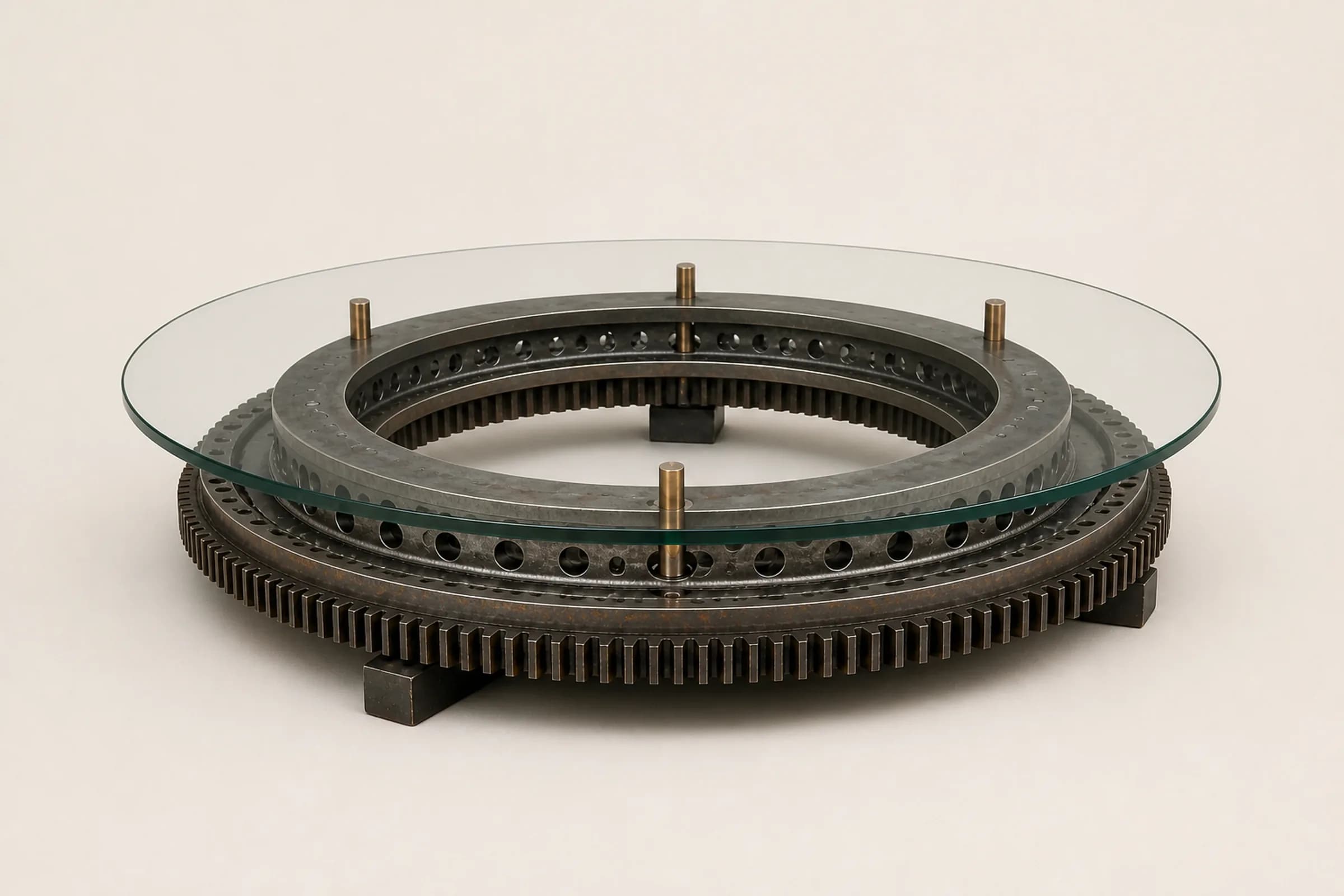
Get the pipe layout and avoid manifold runs. Confirm the commissioning heat-up cycle is complete. Identify the finish and, if it is vinyl, LVT or resin, plan spreader pads. Prefer objects with wide feet or continuous base plates — several in the collection are built that way. Do all four and a heavy object over underfloor heating is an unremarkable installation, which is exactly what you want it to be.
Objects in this note
Considering a commission?
Tell us about the space and the location. We answer with availability, customisation scope and a transport estimate.