Corten versus mild steel: what weathering steel actually does, and where it fails
Weathering steel forms a protective rust layer and never needs painting — outdoors, in the right climate, with the right detailing. Indoors, most of that advantage disappears and one drawback remains.
01What the alloy actually is
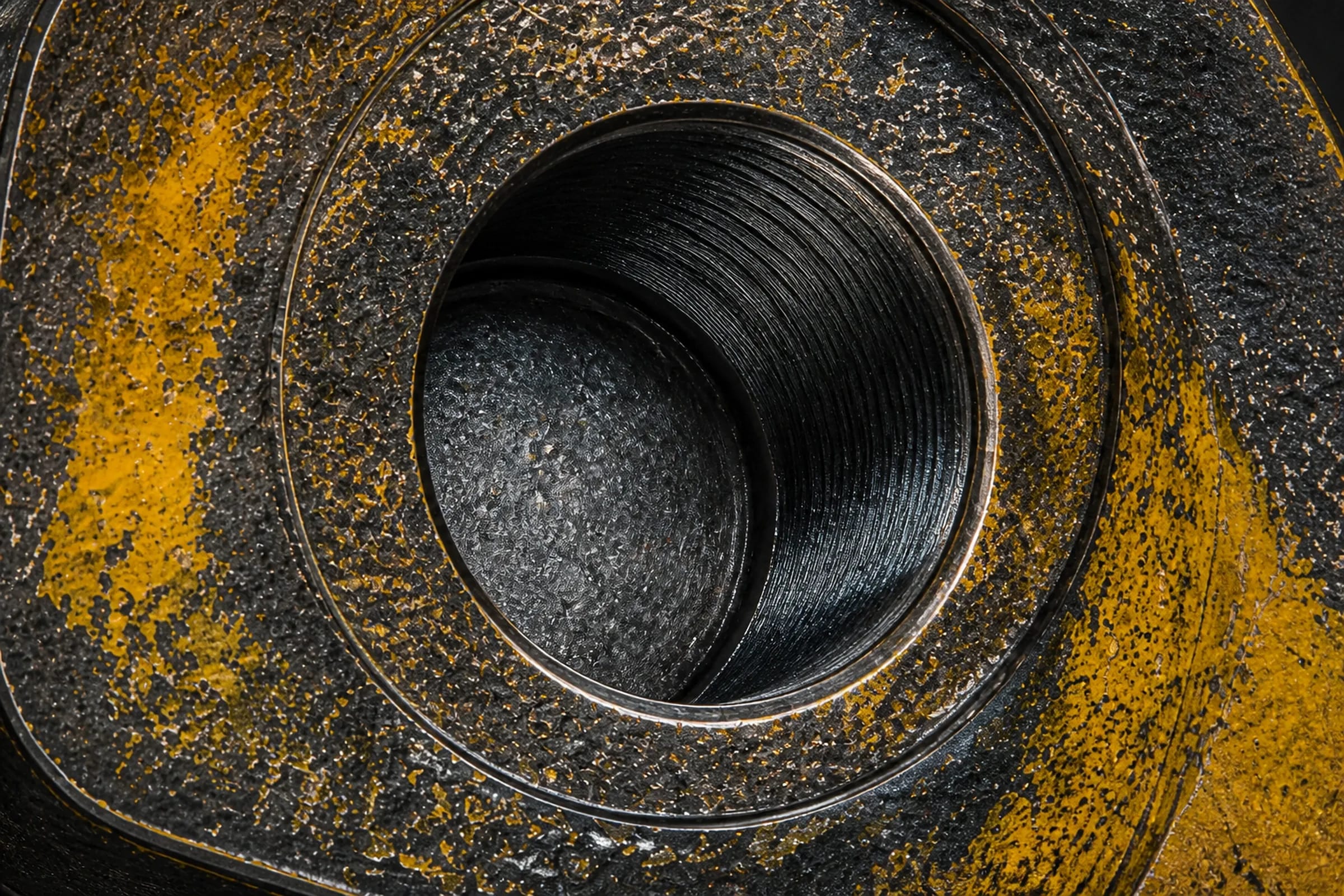
Weathering steel is a low-alloy structural steel containing small additions of copper, chromium, nickel and phosphorus — typically under 3 % in total — standardised as ASTM A242, A588 and A606, and in Europe under EN 10025-5 as S355J0WP and similar. Corten is a trade name, originally US Steel's, used generically much as Hoover once was for vacuum cleaners. The alloying does not prevent oxidation. It changes the structure of the oxide that forms, producing a dense, adherent layer that slows further attack instead of flaking off and exposing fresh metal.
02The patina needs wet and dry cycles to form
This is the point most specifications miss. The protective layer develops properly only under alternating wetting and drying. In permanently damp conditions — buried, submerged, sheltered but condensing, or in constant shade — the stable layer never forms and the steel corrodes at rates approaching ordinary carbon steel. It also fails near the sea: chlorides disrupt the layer, and most guidance advises against unpainted weathering steel within roughly a kilometre of a marine environment. Time to a settled appearance is typically eighteen months to three years, and colour ranges from orange through to a deep violet-brown depending on exposure.
Corten does not stop rusting. It rusts until the rust becomes a barrier, and then it rusts very slowly.
03The staining problem, which is real
During the first two years, rainwater running off weathering steel carries oxide with it and stains everything below: concrete, stone, render, paving. This is well documented on public installations and is essentially permanent on porous substrates. Any competent detail either isolates the runoff path with a drip and a sacrificial zone, or accepts the stain as part of the design. Indoors, the equivalent problem is smaller but not zero — an unsealed weathering-steel surface will mark a light rug or an oak floor if it is ever damp.
04Indoors, the advantage mostly evaporates
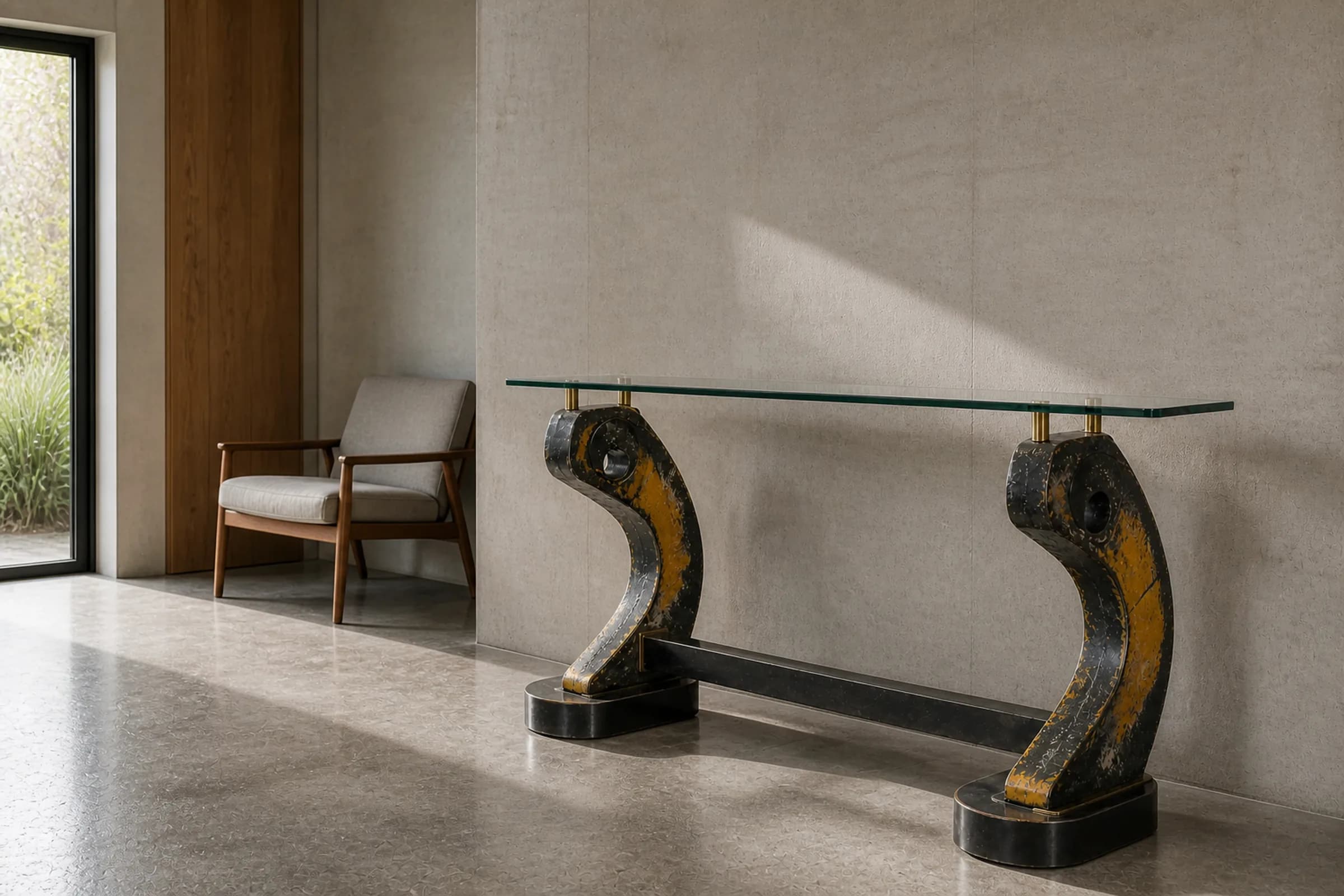
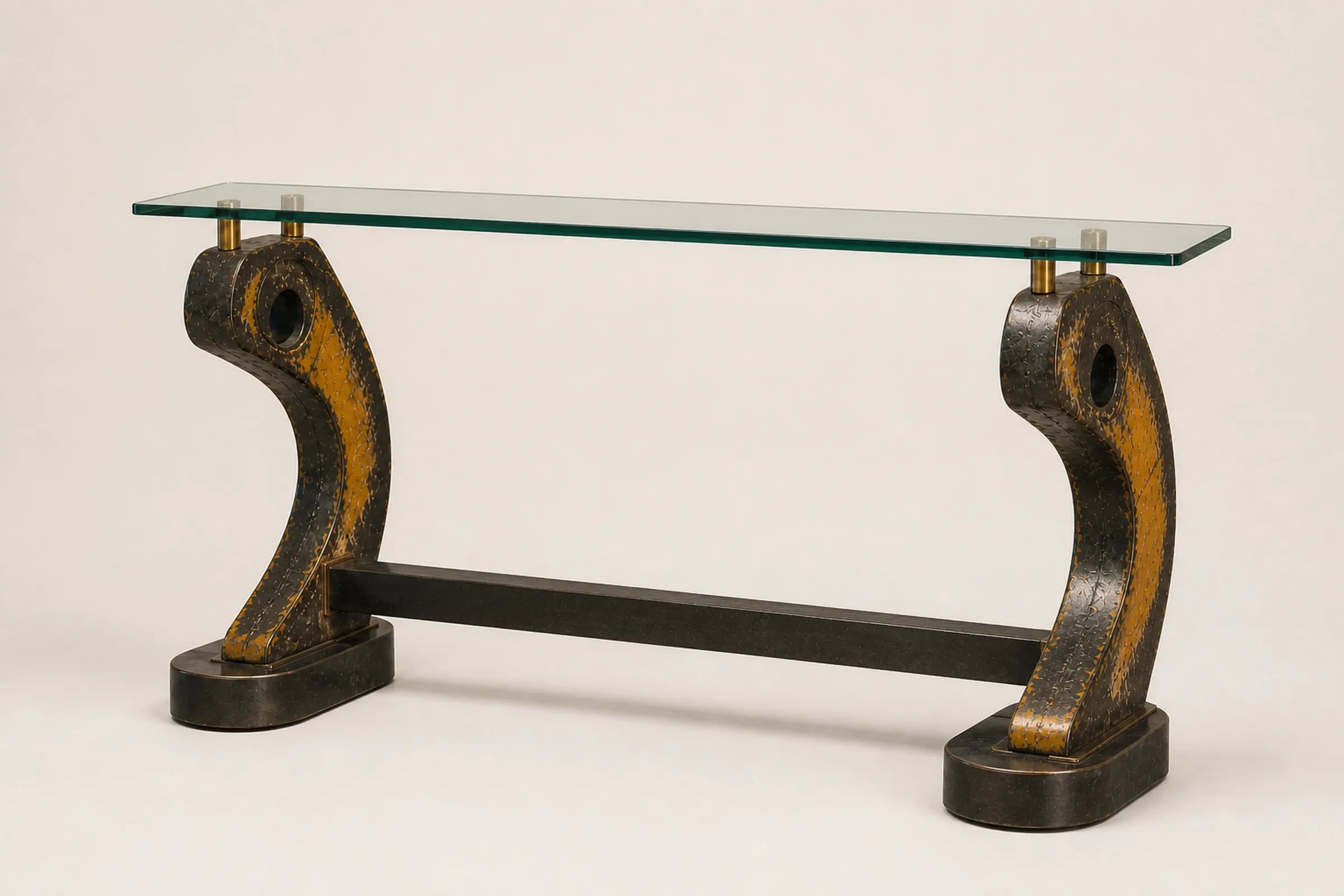
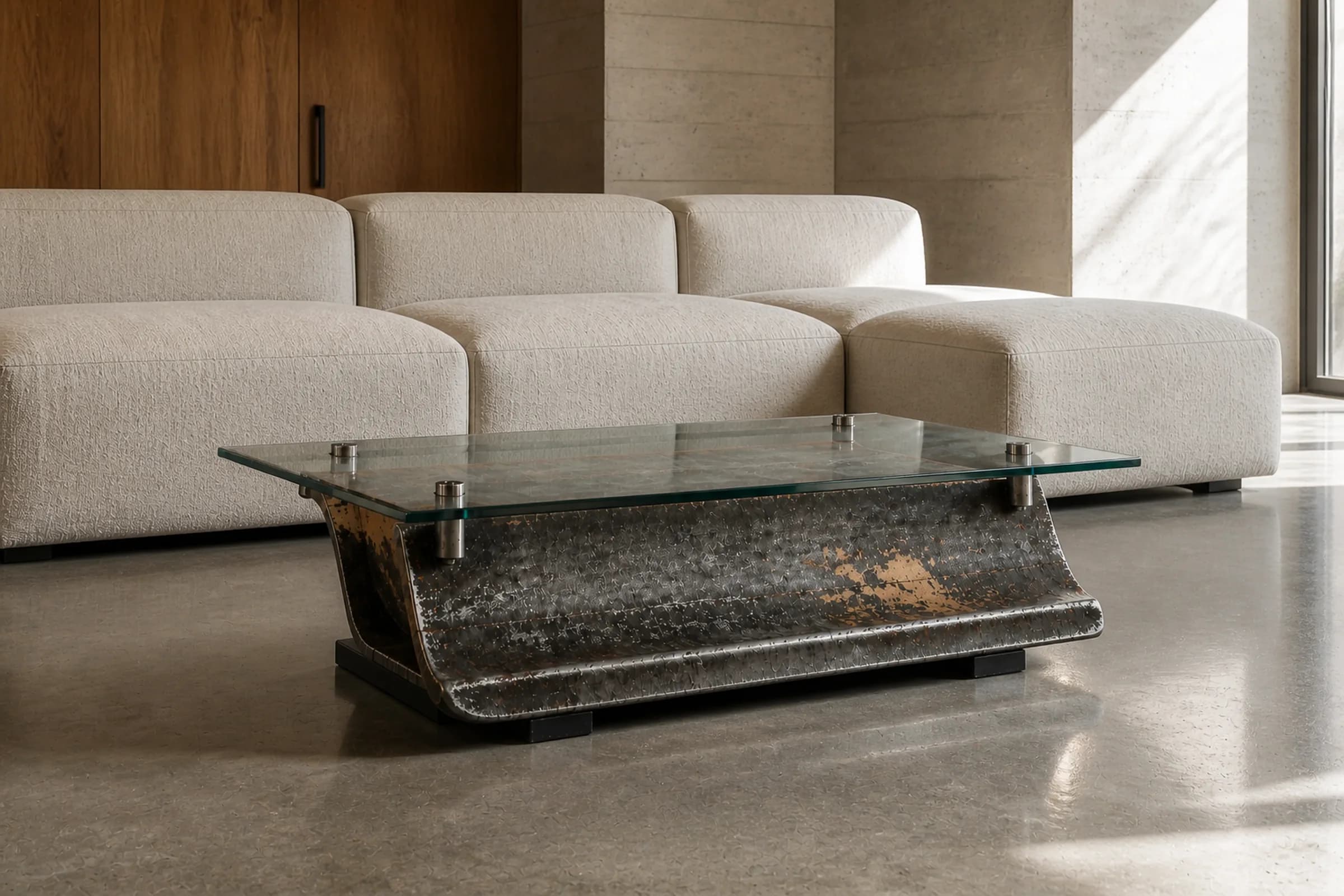
Inside a heated building there is no rain, no wet-dry cycling and low humidity, so a weathering steel object never develops its designed patina and behaves essentially like mild steel with a decorative surface. The corrosion resistance you paid the alloy premium for is not doing anything. That is why, indoors, the honest choice is usually ordinary carbon steel with a considered finish: the appearance is achievable by other means, the cost is lower, and the material is easier to weld and work. Our objects are carbon steel because the machines they came from were, and because indoors that is the correct material.
05Where each one belongs
Weathering steel earns its place outdoors, freely exposed, well drained, away from salt, where a maintenance-free structural surface has real value — bridges, façades, planters, sculpture. Mild steel with a sealed patina or a coating belongs indoors, where it is cheaper, more predictable and easier to repair. The failure mode to avoid is specifying weathering steel indoors for the look, or specifying it outdoors in a sheltered damp corner and expecting the patina to do work it cannot do in those conditions.
Objects in this note
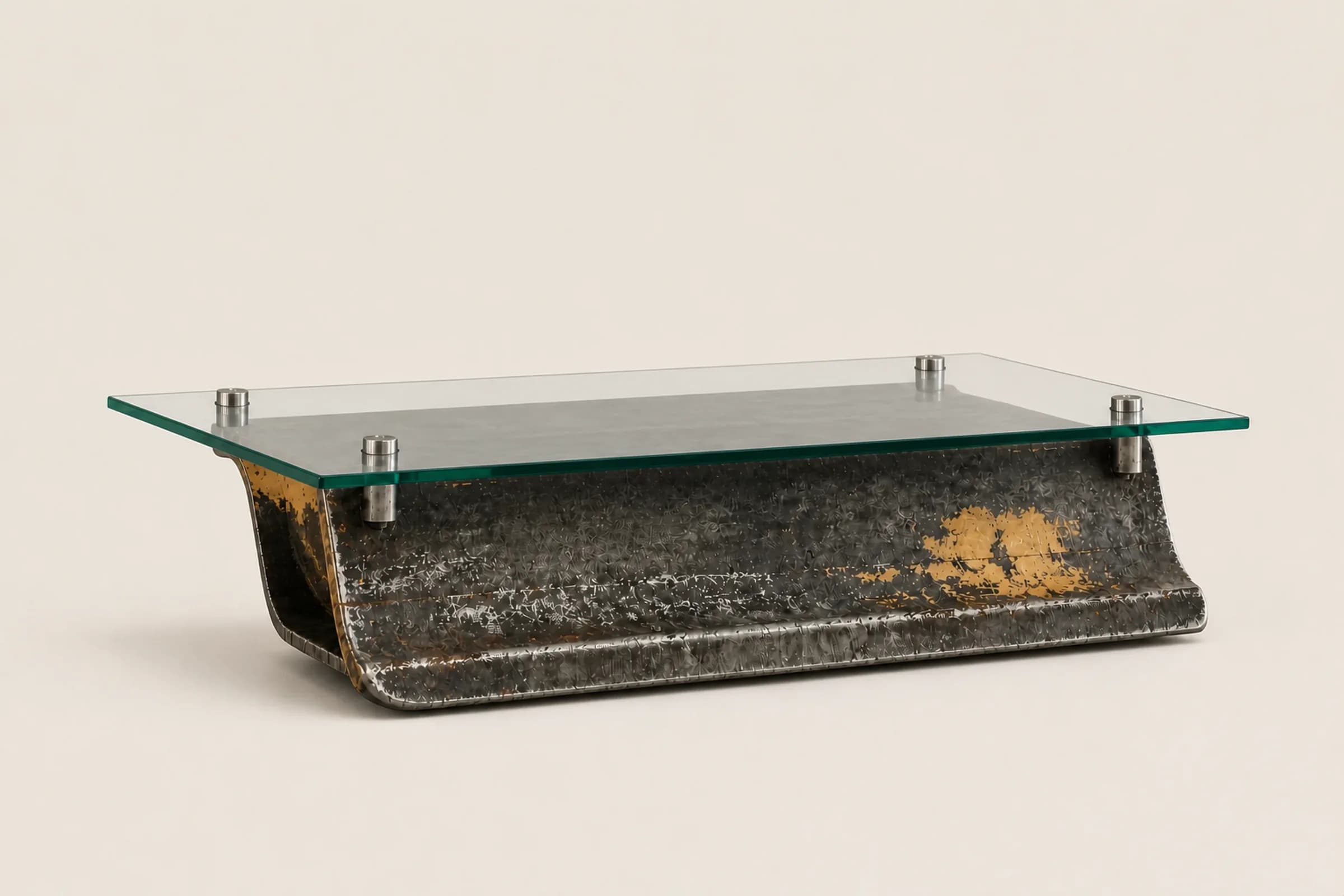
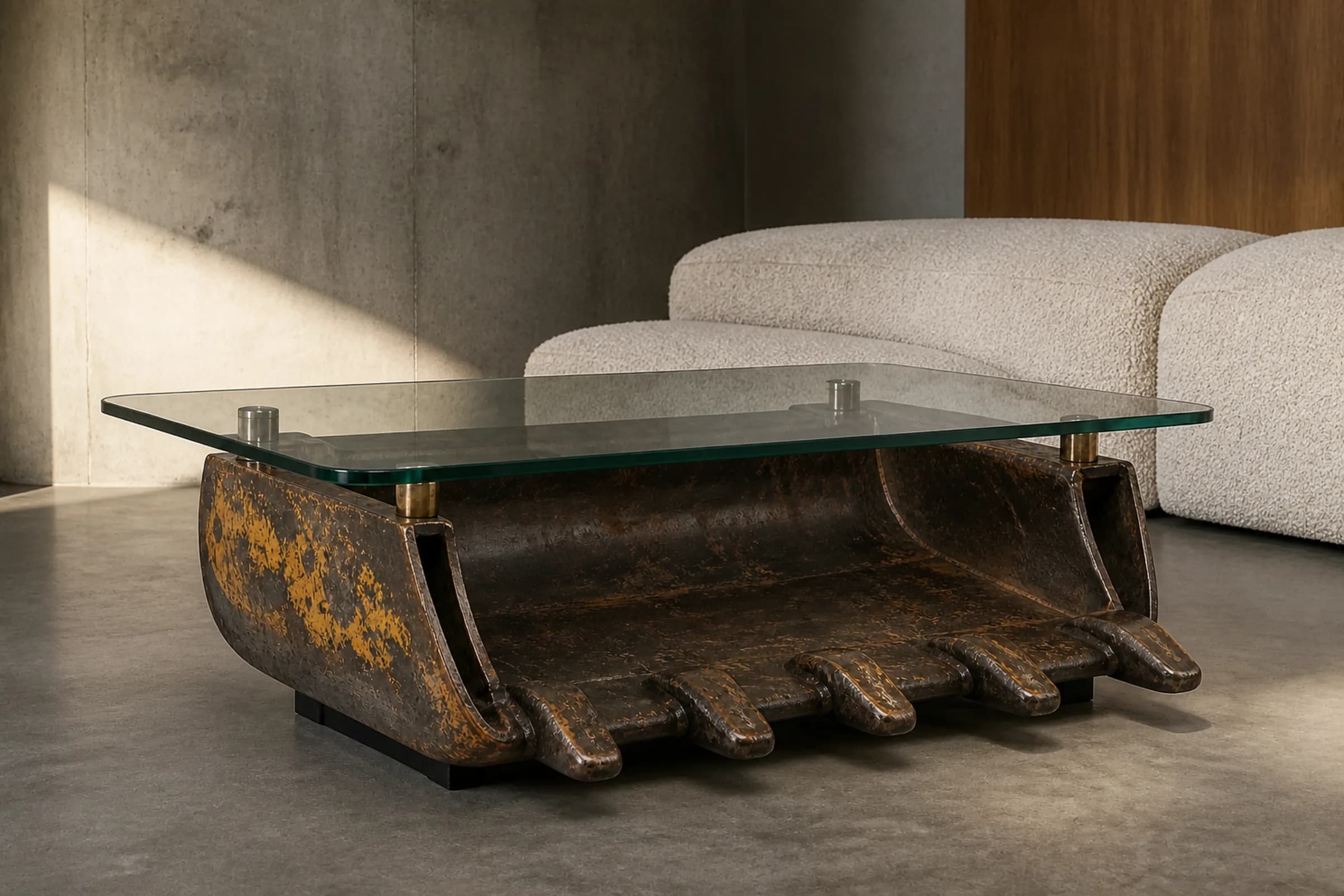
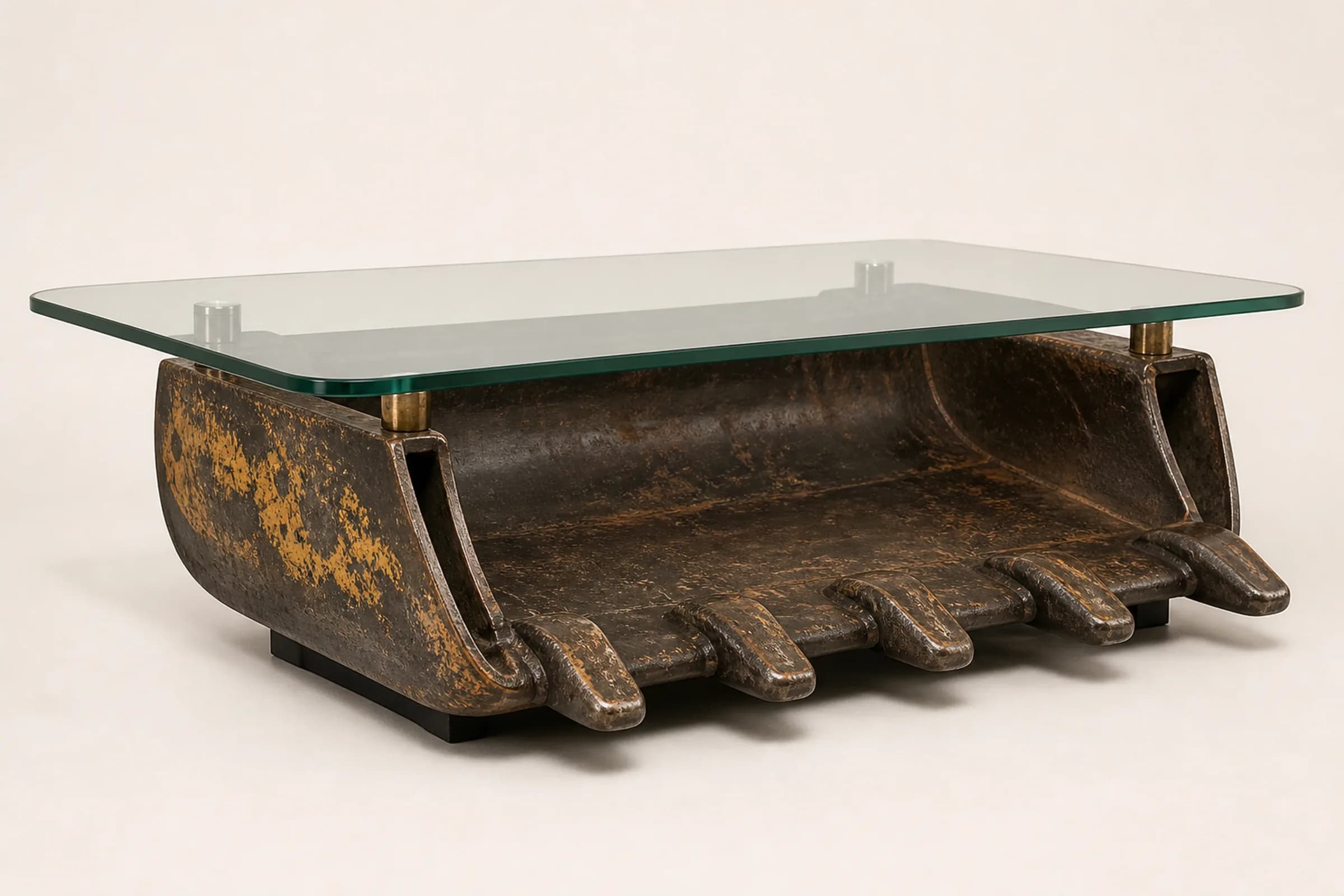
Considering a commission?
Tell us about the space and the location. We answer with availability, customisation scope and a transport estimate.