What makes design collectible, and what only makes it expensive
Collectible design is a category with rules, not a compliment. Edition size, documentation, authorship and irreversibility decide whether an object holds meaning — and whether it holds value.
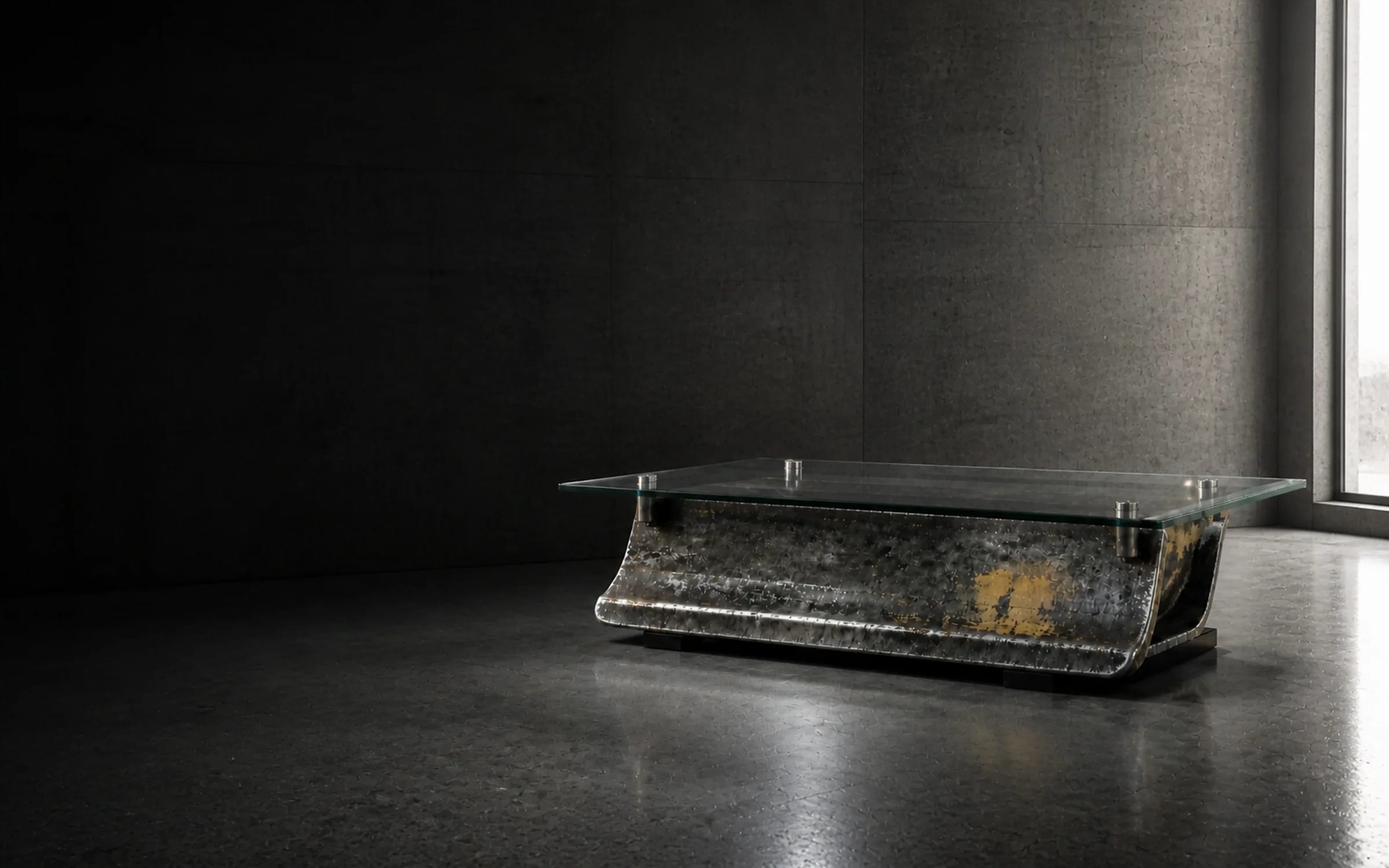
01The category, briefly
Collectible design sits between industrial production and sculpture. Objects are functional, made in editions small enough to be counted, attributed to a named maker, and documented well enough that a future owner can reconstruct their history. Galleries and design fairs treat them as works rather than products. The distinction is not about price. A very expensive sofa produced in unlimited quantity is an expensive sofa; a numbered object of eight, documented and signed, belongs to a different market with different behaviour.
02Edition size is a promise, and promises need records
An edition means nothing without a register. The credible version is a fixed number declared before the first piece is sold, a plate carrying the number, and a record the maker keeps and will show. Anything looser — 'limited', 'rare', 'very few made' — is marketing language. Ask directly how many exist, whether the number can change, and what happens to unsold pieces. A maker who cannot answer those three questions in one sentence is not running an edition.
Scarcity that nobody can verify is not scarcity. It is a claim.
03Provenance is what survives the first resale
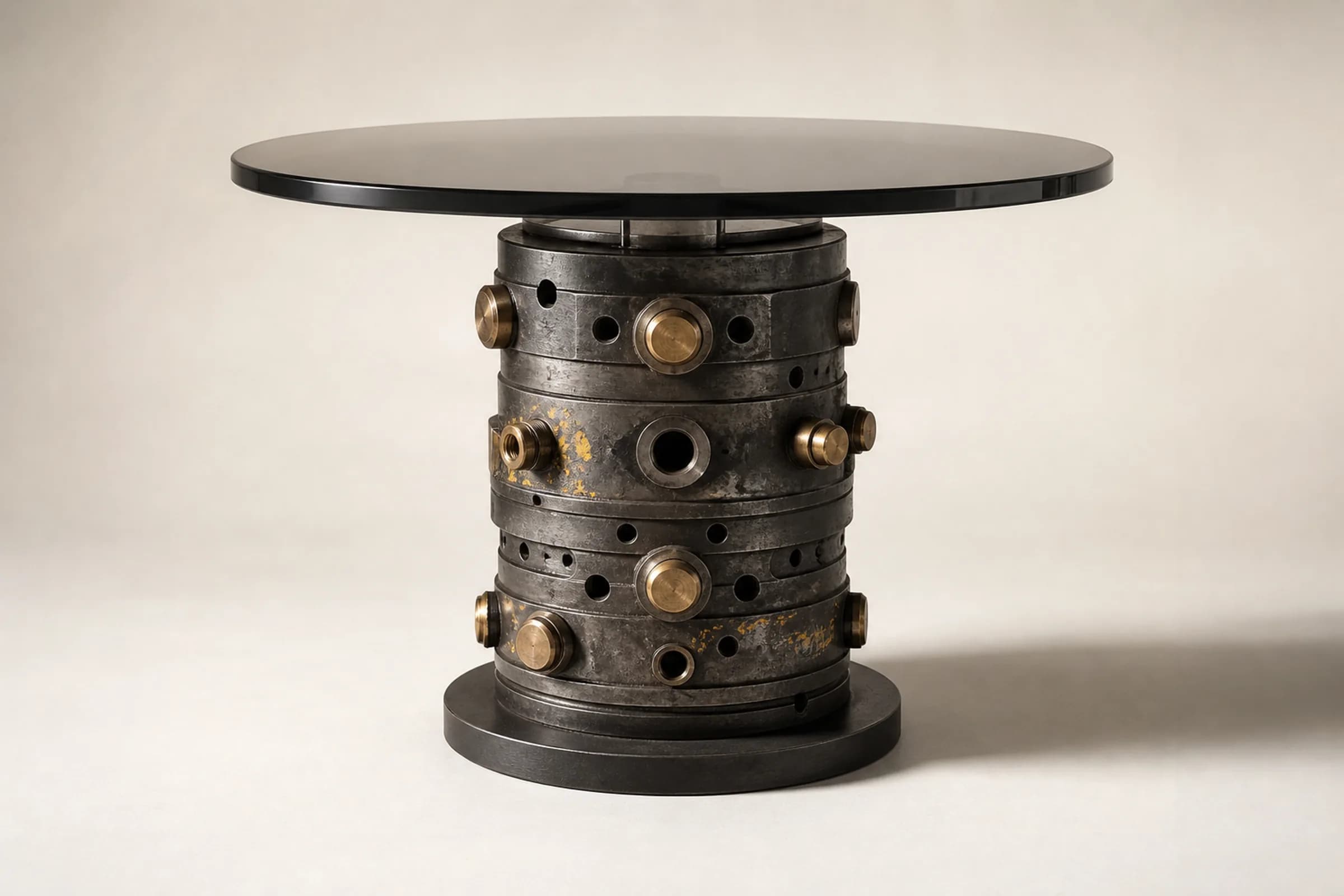
The first owner knows where an object came from. The second owner knows only what the paperwork says. That is why documentation of origin matters more than any narrative told at the point of sale: the source of the material, its condition before transformation, the date, the process, photographs before and after. For objects made from reclaimed parts this is the whole argument — without a record, a part with a history is just old steel with a story attached to it by whoever is currently selling it.
04Irreversibility and honest material
Value follows work that cannot be faked cheaply. Sealing a genuine patina is irreversible: the surface is what it is, and the marks correspond to something that actually happened. Applied patina, artificial rust and distressing are reversible in the sense that anyone can produce them on demand, and markets eventually price that difference. The same logic covers repair. An object designed so that glass, fixings and feet can be replaced without touching the historic surface will still be intact in thirty years.
05Questions worth asking before you buy
How many exist, and who holds the register? What is documented about the material's origin, and will I receive it? Who made the piece, and is it signed? Which parts are serviceable, and by whom? Is the surface original or applied? None of these are aggressive questions — a serious studio expects them and has the answers ready. If they produce discomfort rather than paperwork, that itself is the answer.
Objects in this note
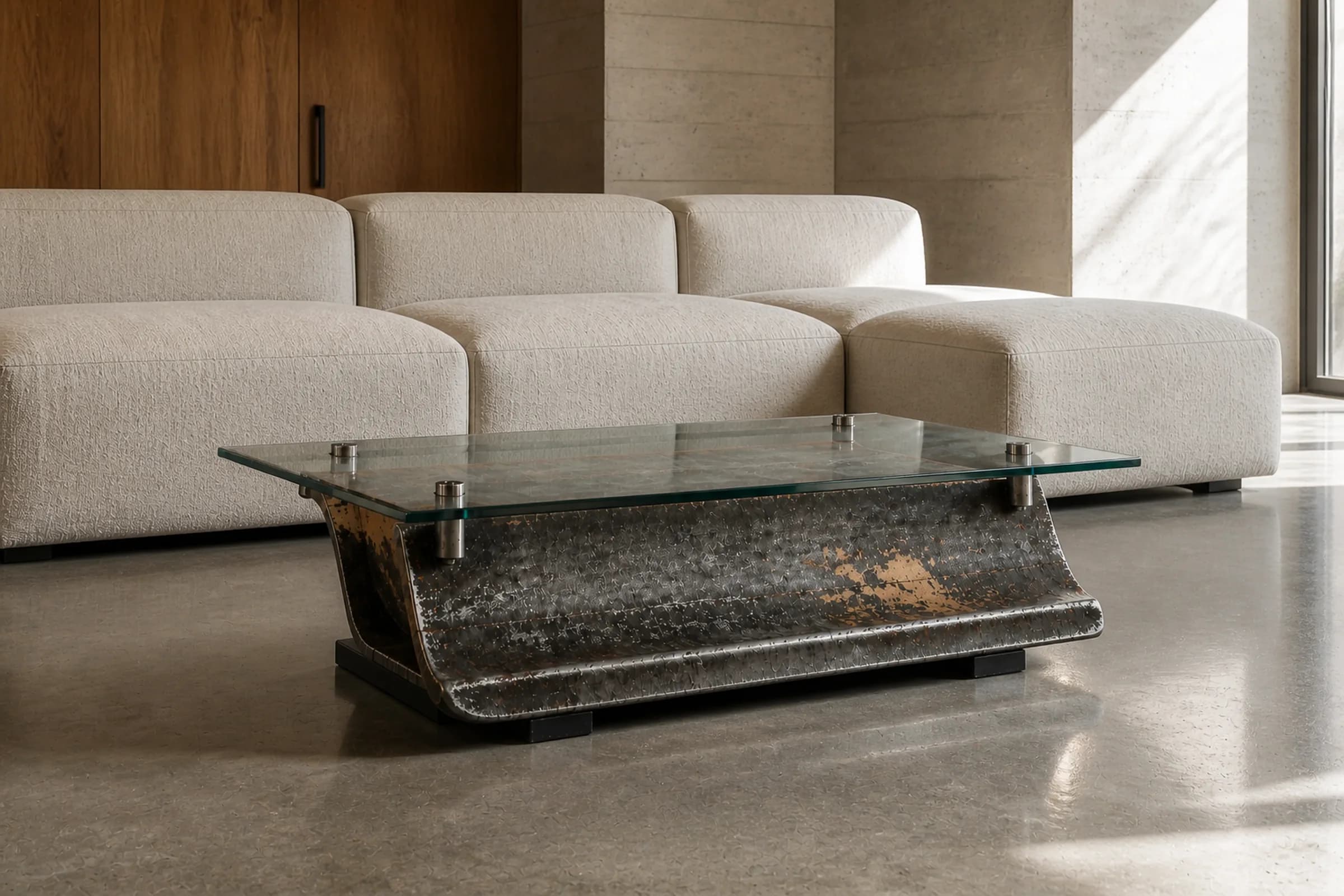
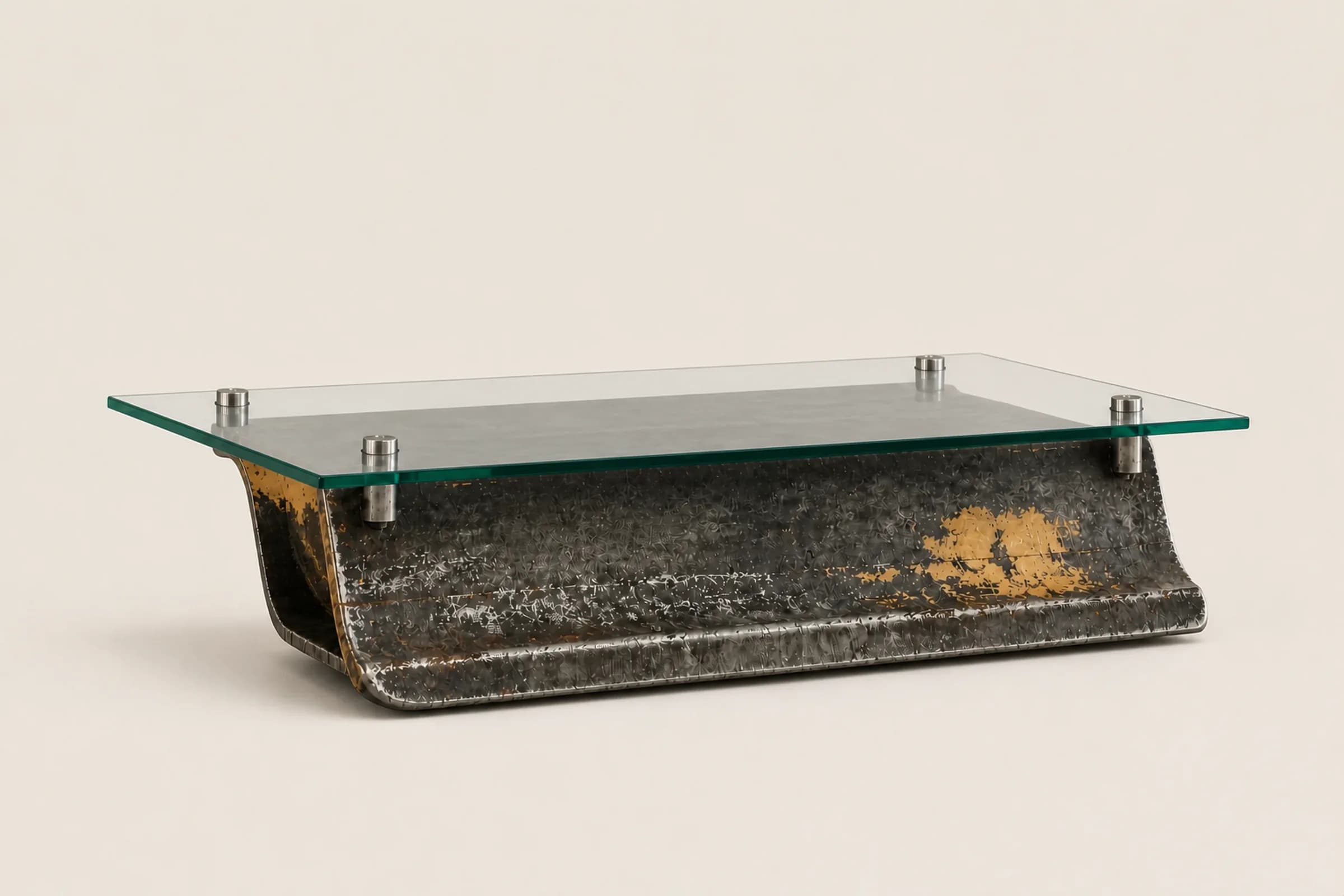
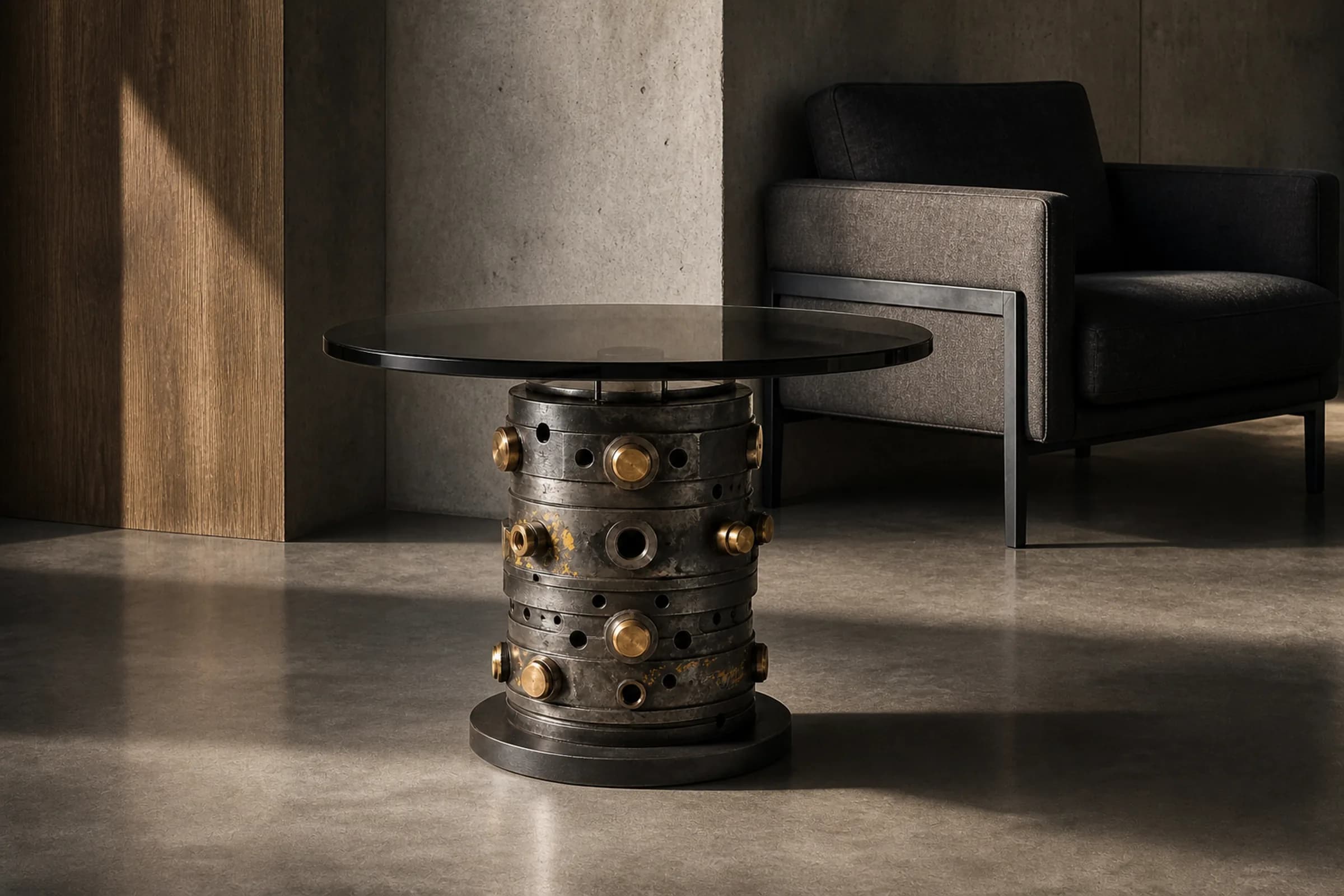
Considering a commission?
Tell us about the space and the location. We answer with availability, customisation scope and a transport estimate.