One-off, limited edition or made to order: what the words are supposed to mean
Three terms used loosely across the trade, with genuinely different consequences for scarcity, resale and what you can ask for. Here is how to read them and what to ask when a seller is vague.
01Unique, and what makes it true
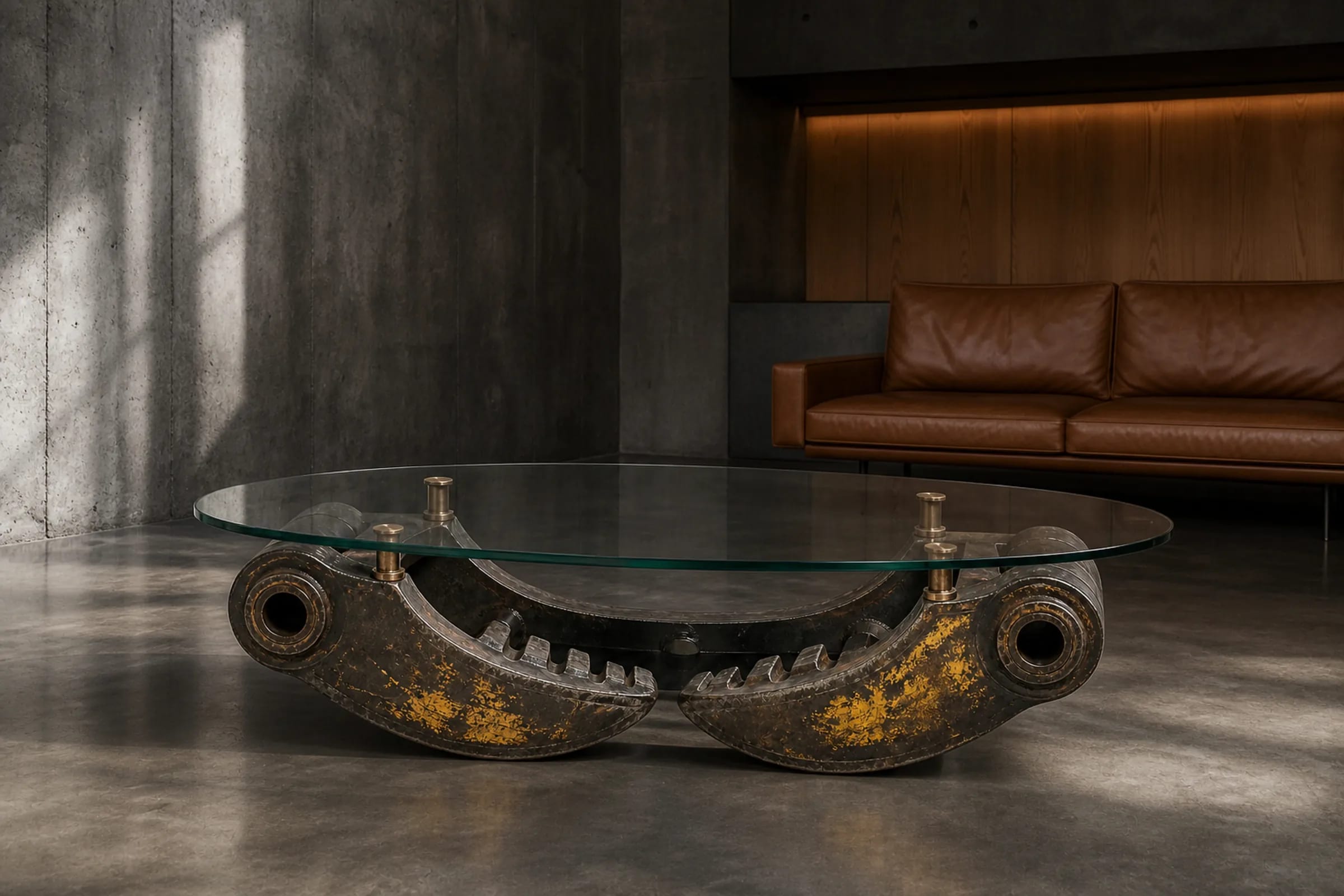
A unique piece — pièce unique, one-off — is made once and not repeated. The claim is only meaningful if repetition is actually prevented, and there are two ways that happens: the maker undertakes not to repeat it, or the material makes repetition impossible. The second is much stronger. When an object is built around a specific reclaimed component with its own wear pattern, a second version would require an identical donor part that does not exist. That is scarcity enforced by fact rather than by promise, and it is the position most salvage-based work occupies.
02Limited edition, and the details that matter
A limited edition is a fixed number of near-identical pieces, numbered and recorded. The number should be stated before the first sale and never extended — and the trade's bad habit is the second edition in a different finish, or a size variant, or an artist's proof series that quietly doubles the run. Ask three things: what is the edition size, are artist's proofs included in it, and is there a register. A gallery that can answer immediately is running the edition properly; hesitation on any of the three is informative.
A limited edition is only limited if someone wrote the number down before the first one sold.
03Made to order, which is not an edition at all
Made to order means the piece is built after you buy it, from a design that can be built again. It gives you choices — dimensions, finish, glass — and it gives the maker no scarcity to sell. This is a perfectly honest category and often the sensible one for furniture that has to fit a specific room. The problem is only when it is presented in the language of collecting. If a piece can be ordered again next year in the same form, it is a product, however well made, and its resale will behave like a used product.
04How this affects resale, honestly
Unique work and small numbered editions can hold value where the maker becomes established, because the supply is genuinely fixed. Made-to-order work almost never does, because a buyer can simply order a new one. But the effect is much weaker than people assume: for most contemporary makers, none of these categories appreciate, and edition status mainly affects how quickly a piece finds a buyer rather than what it fetches. Treat edition structure as a description of scarcity, not as a financial instrument.
05How we use the terms
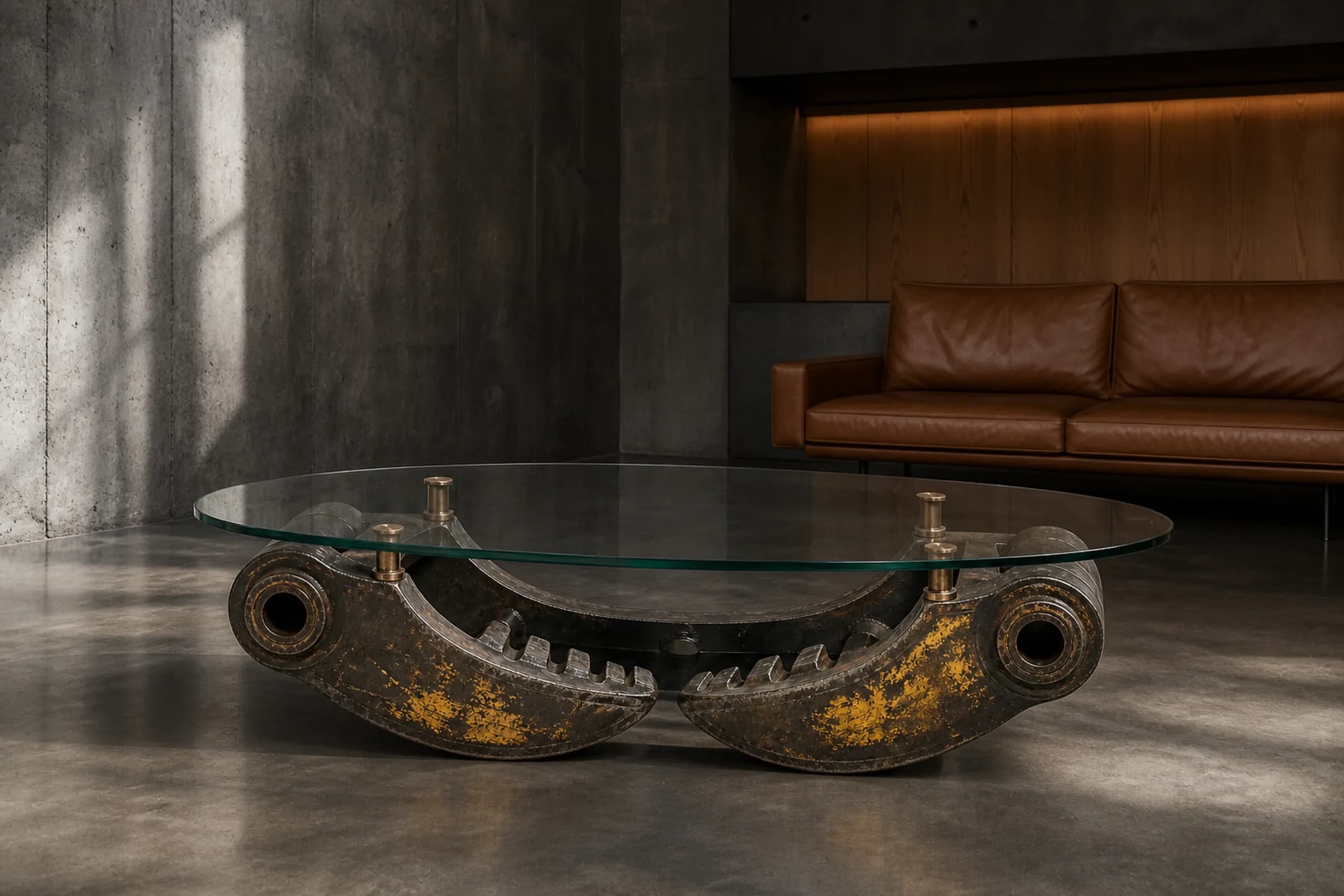
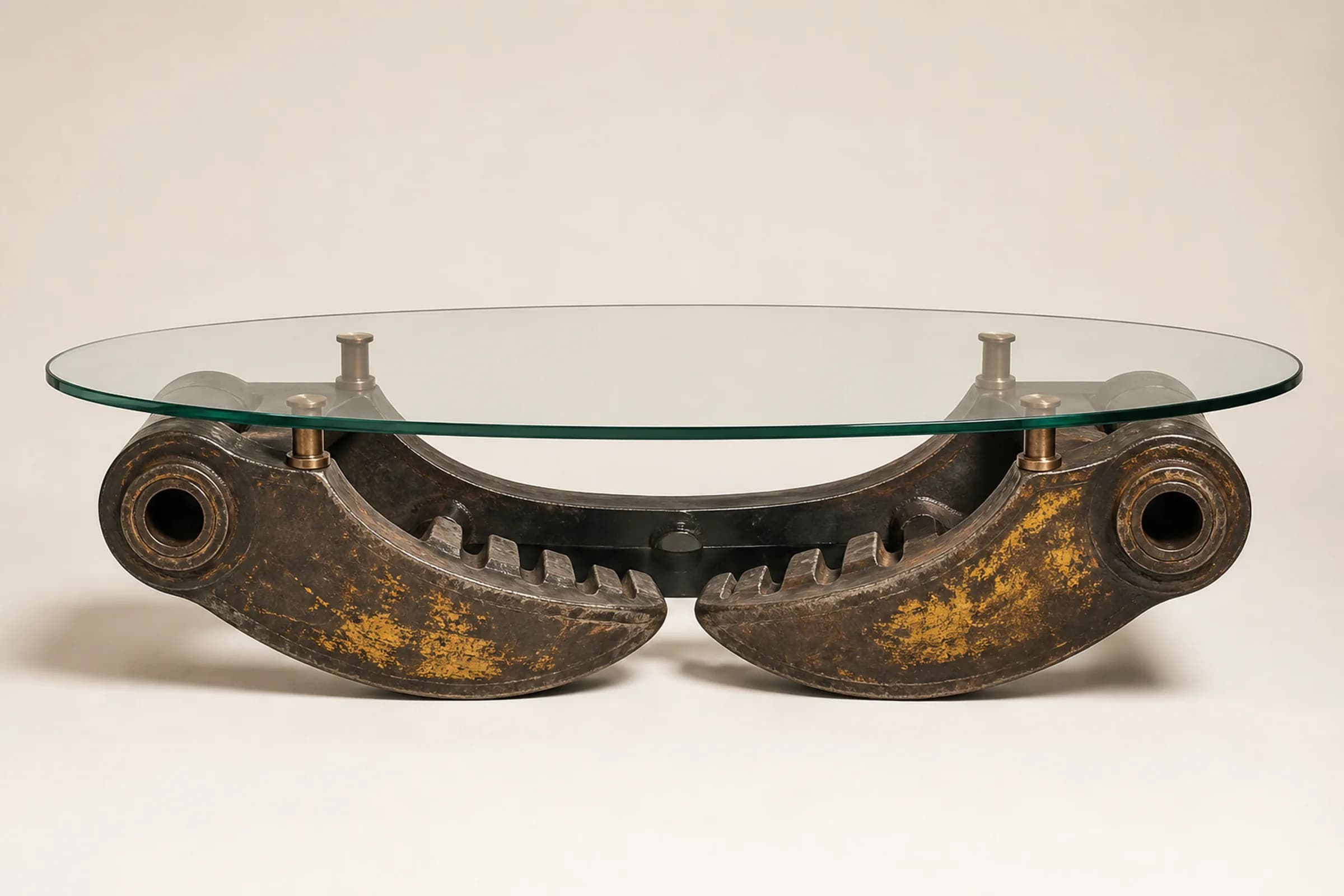
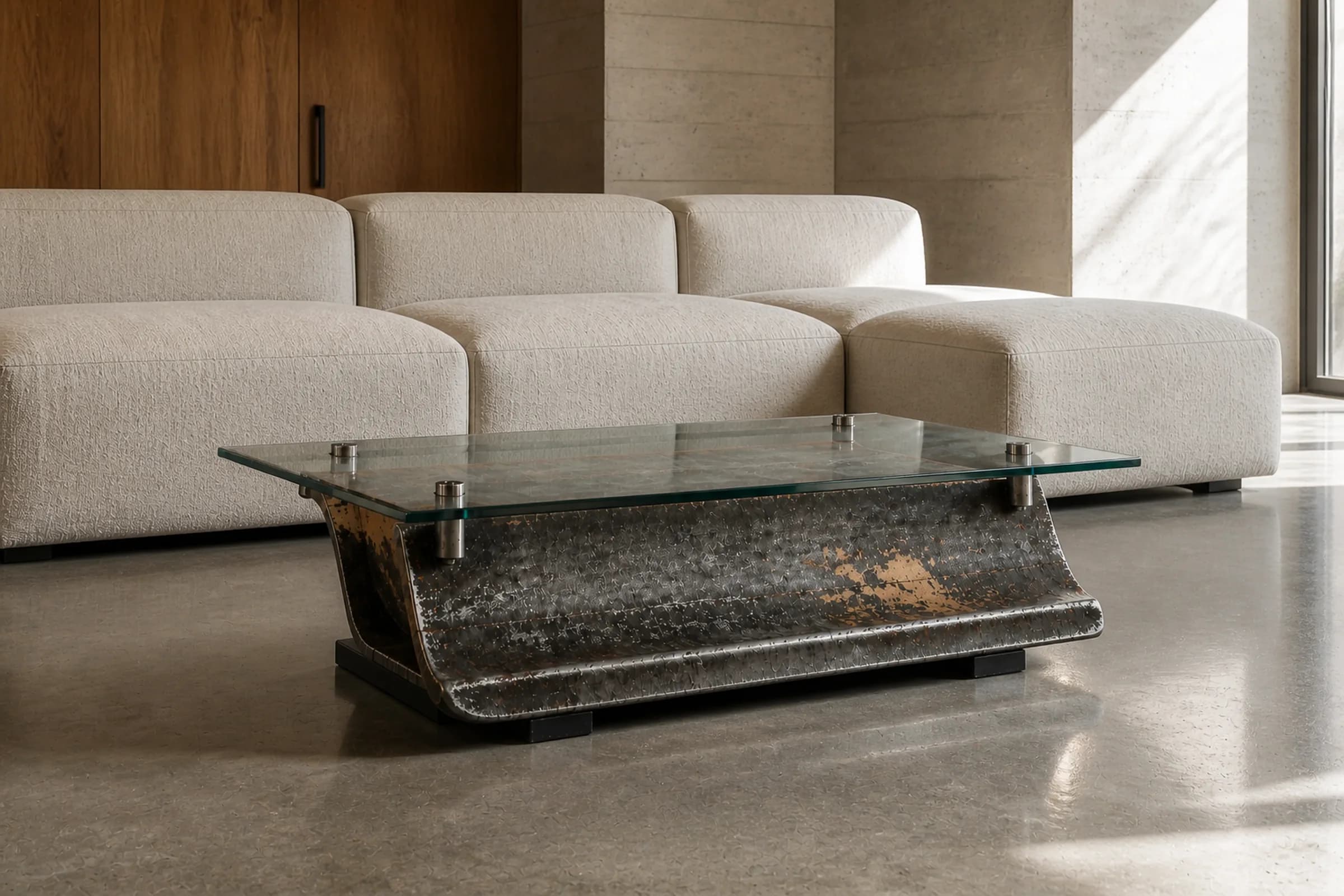
Objects here are described either as unique or as made to order, and the distinction is enforced by supply. Where a piece is built around a specific salvaged component, it is unique because that component existed once — the documentation names the donor machine class and the approximate service period, so the claim is checkable. Where a form can be rebuilt from a comparable part, it is described as made to order and we say so plainly, including the fact that the next one will differ because the donor part will. We do not run numbered limited editions, because a fixed number implies a repeatability the material does not have.
Objects in this note
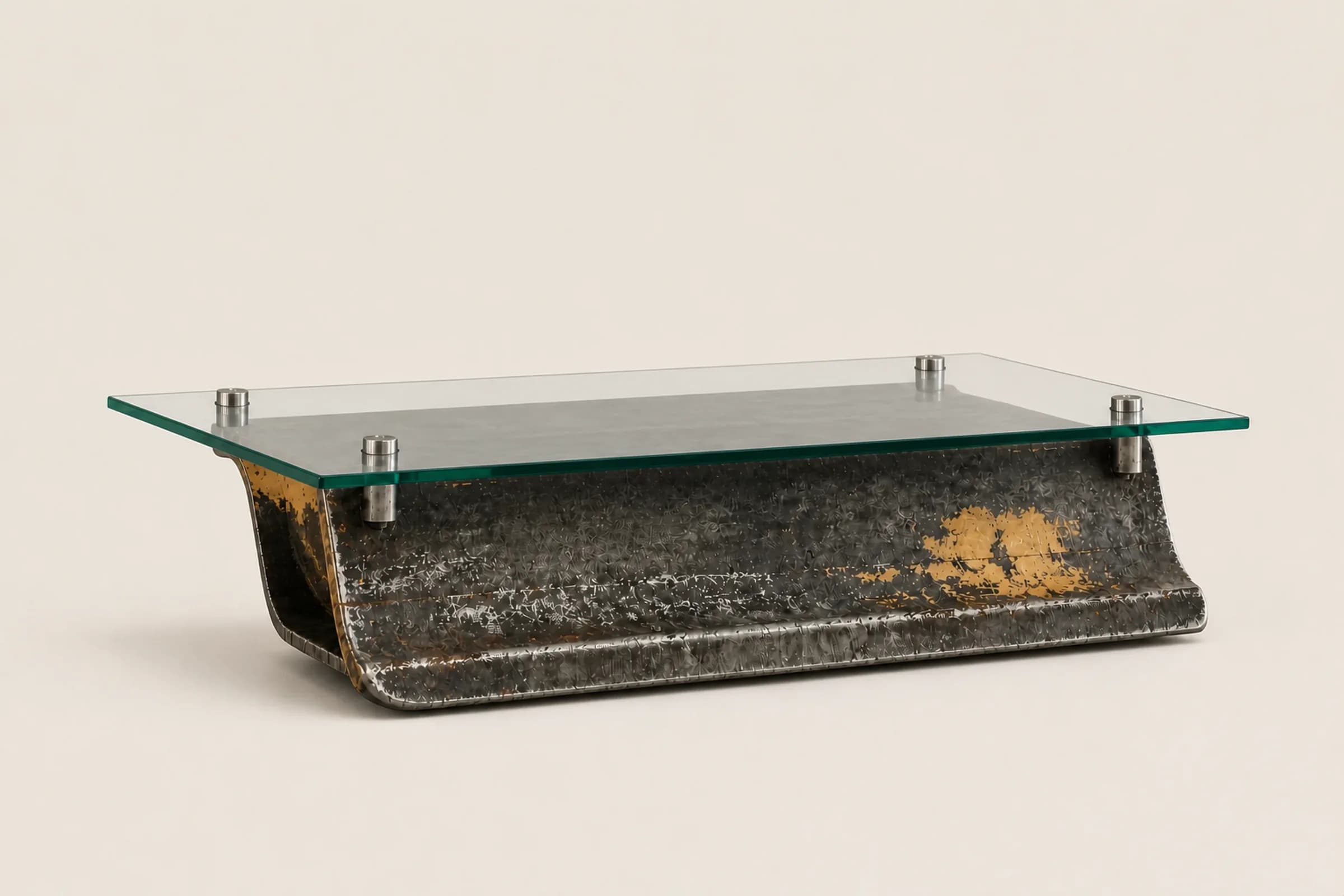
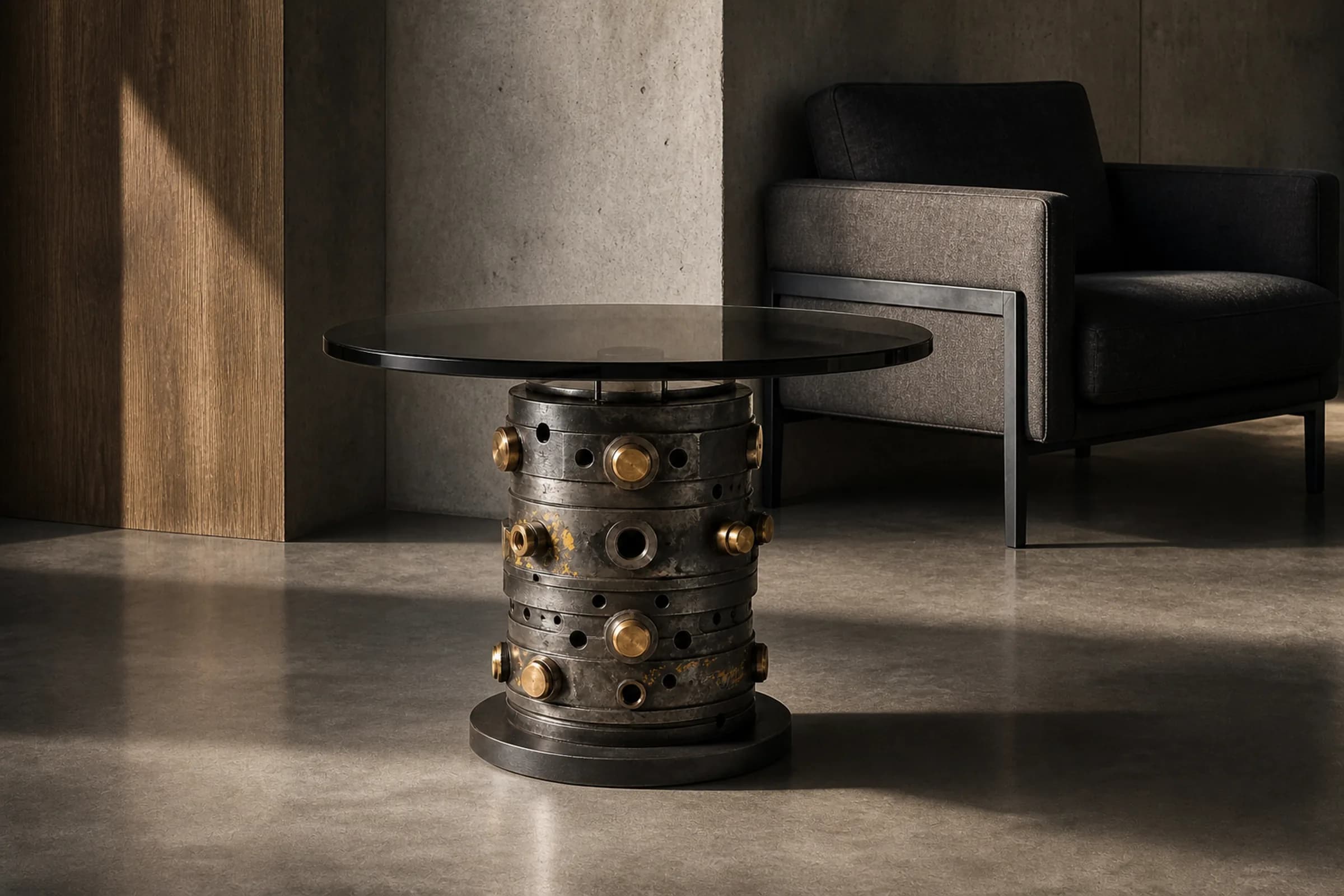
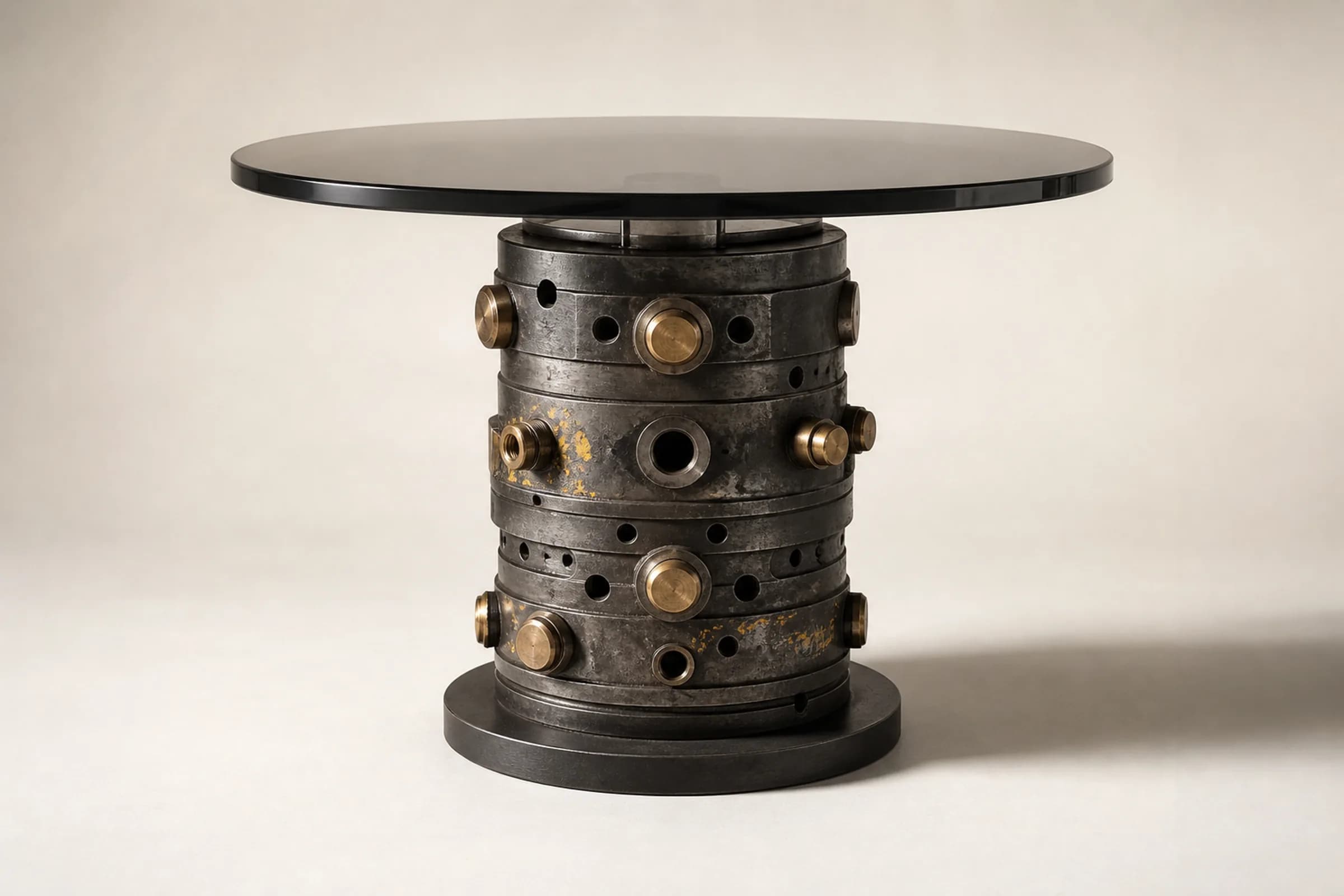
Considering a commission?
Tell us about the space and the location. We answer with availability, customisation scope and a transport estimate.